Opinion / Will Gen Z forget most luxury hotels and fine-dining restaurants by 2030? Covid-19 made 2020 a struggle for brands, but those that didn’t rise to the challenge might see even more problems later

- Felix at Hong Kong’s The Peninsula still delivers an unforgettable experience, but many Michelin-starred spots in New York, London and Paris disappoint
- Brands should pick up on the booming health and wellness trend; the Apple Watch is destroying the Swiss watch industry due to their lack of connected services
This article is part of Style’s Inside Luxury Column
Luxury brands pride themselves on delivering one-of-a-kind experiences. Especially the people-to-people experiences that they claim set them apart. There is no fancy hotel that won’t tell you on their website or in their advertising how wonderful the service will be and how magical you will feel. But when was the last time you got an unbelievable, memorable, dreamlike experience after visiting a hotel or restaurant?
I am not asking about the last time you had good food in a restaurant. We simply expect that and it’s priced in. I am not asking about the last time you had really friendly service. If I go to any reasonably good hotel or restaurant, I expect that as the minimum. But when was the last time you had a magical experience, one that made you dream of your next visit?
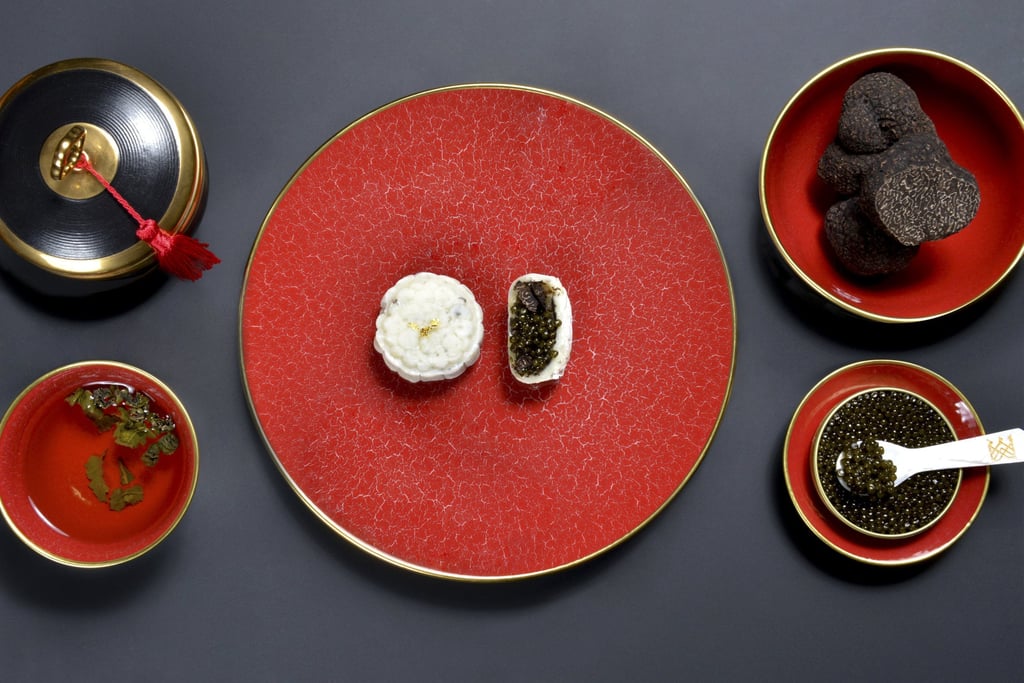
The last time I had this experience in a restaurant was in Hong Kong at The Peninsula’s Felix. From the view to the service delivery, everything was magical. I went there for a business dinner with a friend whom I had not seen for years. I flew in from Tokyo that day, tired after a full morning of meetings, while my friend was flying back to Europe after a workshop in Hong Kong and we had exactly sixty minutes for a quick catch-up. We informed the staff we were under time pressure and they managed to give us maybe the best restaurant experience I ever had.
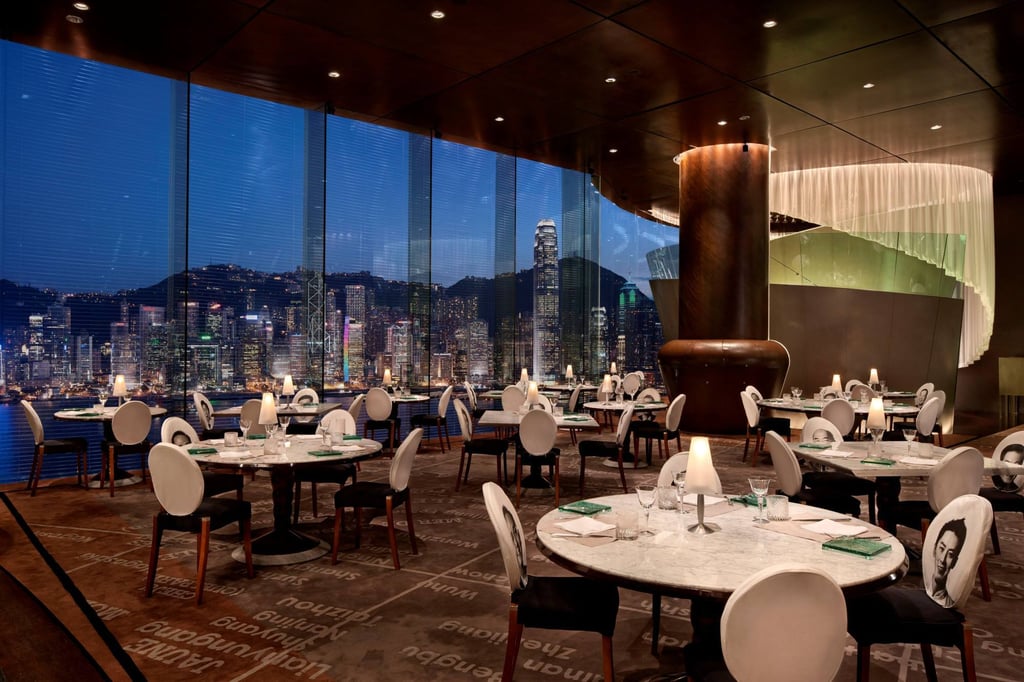
The staff did everything in their power to give us an unforgettable sixty minutes, pairing delicious food with sensational wines, educating us about each step on the way, and making the short dinner an unforgettable experience. This was in early 2019. Since then, I dined all around the world, including in Michelin-starred hotel restaurants in London, Paris, New York, Los Angeles, Shanghai and Seoul, and never had any comparable experience.
Instead, most experiences are predictable – OK but nothing special. What’s worse, since the pandemic started, the quality of hospitality in restaurants and hotels has decreased dramatically. While I understand that social distancing rules and restrictions in guest capacity have made service delivery more challenging, I’ve had no experiences I would even call great. And a merely good experience is not enough in luxury.