Advertisement
South Koreans want to avoid Muji, Daiso and Nintendo, but brand confusion could undermine any boycott of Japanese goods
- A simmering dispute over export curbs and compensation for wartime forced labour has many in South Korea swearing off products of Japanese origin
- But in such an interconnected, globalised world, pinning down exactly where something comes from can be easier said than done
5-MIN READ5-MIN

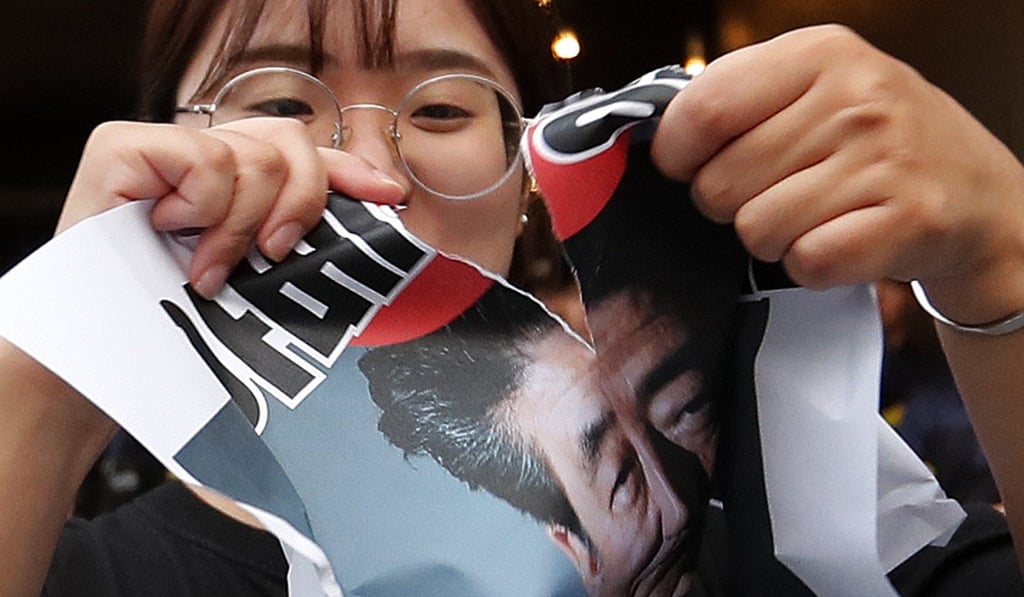
South Korean social media has been awash with calls for a boycott of Japanese goods ever since Tokyo announced a curb on exports of hi-tech materials to its East Asian neighbour earlier this month.
On Thursday, “boycott” remained the top tending keyword on Twitter in South Korea, with hashtags like #BoycottJapan calling on the nation’s consumers to stop buying Japanese-made products and engaging with Japanese brands.
A survey of 501 people carried out by Korean research firm Realmeter on July 11 found that seven out of 10 respondents said they would join a boycott of Japanese goods.
Advertisement
But in an era of globalised businesses and transnational brands, determining where a product originates or a company’s national identity is easier said than done – leading to confusion over what, exactly, consumers should be boycotting.
Advertisement
Some of the brands highlighted by Korean social media users include Muji, Daiso, ABC Mart, Uniqlo, Asics, 7-Eleven, Sony and Nintendo.
A common refrain, as expressed by 21-year-old university student Kim Dae-young, is “if it sounds Japanese, it’s probably Japanese”. Yet the truth of the matter is not so simple.
Advertisement
Select Voice
Select Speed
1.00x