Japan’s move to ban crude words to transform prison system dismissed as ‘trivial’, ‘a joke’
- The justice ministry is shifting the focus of the prison system from punishment to preparing inmates to become law-abiding citizens when they are released
- Activists and experts, however, say the move is ‘cosmetic’ and does nothing to address problems such as incarceration for minor crimes or abuse by prison guards
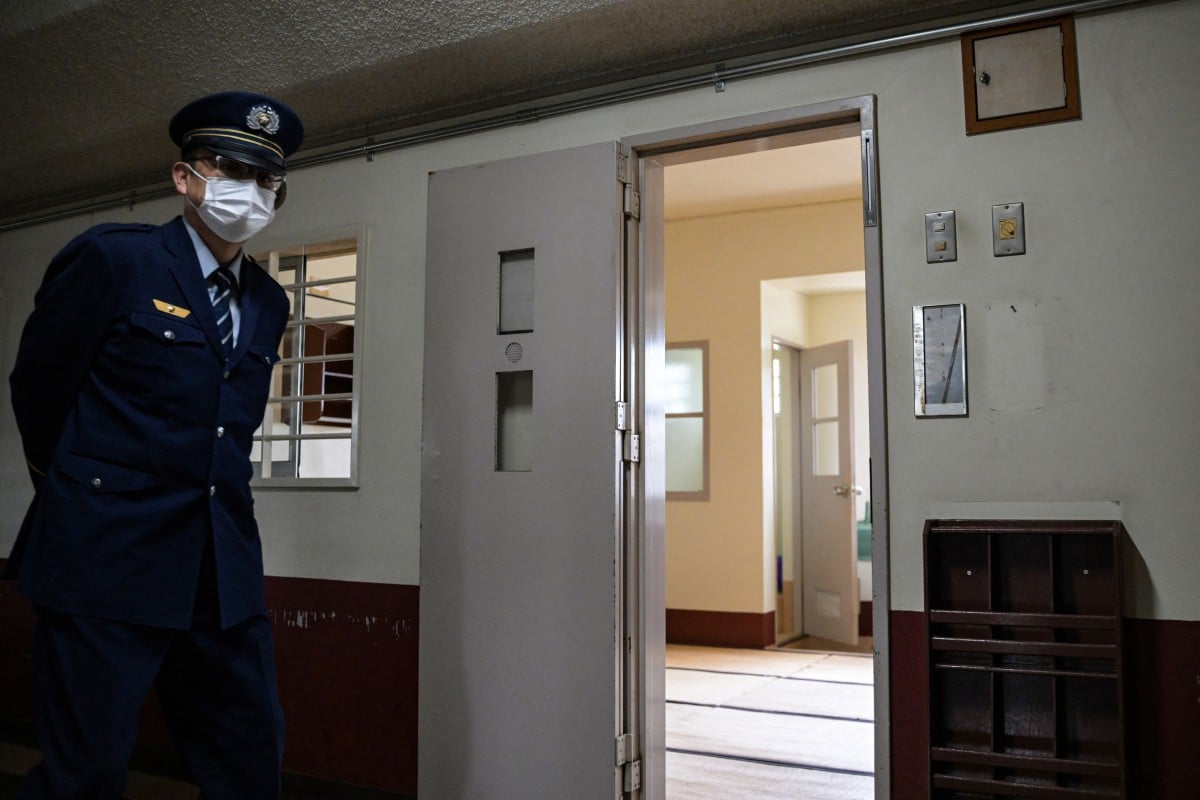
A move by Japan to abolish prison slang among guards and inmates to encourage rehabilitation has been criticised by activists as “largely cosmetic” and ineffective in addressing deep-rooted issues within the country’s notoriously harsh detention system.
Authorities have instructed correctional officers to refer to prisoners with the honorific “san”, which translates as “honourable mister”, in a shift in focus on incarceration and punishment to preparing inmates for a return to society and helping them to become law-abiding members of the public.
The changes were outlined by Justice Minister Ryuji Koizumi on February 22 and will come ahead of amendments to Japan’s criminal law.
Koizumi said at a news conference in Tokyo: “The human heart is connected to words. If words become distorted, it can lead to abusive acts.”
While human rights activists have said the change is positive, they point to it being “largely cosmetic” and doing nothing to address underlying problems that continue to plague the prison service, such as violent treatment from guards and whether incarceration is even needed for petty crimes.