
Opinion | Thai election: a political laundering by the junta to earn legitimacy
- A new constitution, a junta-appointed Senate, weakened opposition and allegations of vote rigging. All signs point to Prime Minister General Prayuth Chan-ocha keeping his grip on power, writes Pithaya Pookaman

With almost one and a half months since Thailand’s general election on March 24, Prime Minister General Prayuth Chan-ocha, leader of the military junta that usurped power from Yingluck Shinawatra’s government in 2014, seems a step closer to serving another term.
The delay in the official announcement of the results stems from the flawed election tallies by the EC which, being plagued with poor management and inefficiency, subsequently failed to explain several allegations of irregularities in vote tabulation as well as report 1.9 million invalidated ballots. The ballot cast in some provinces far exceeded the voter turnout.
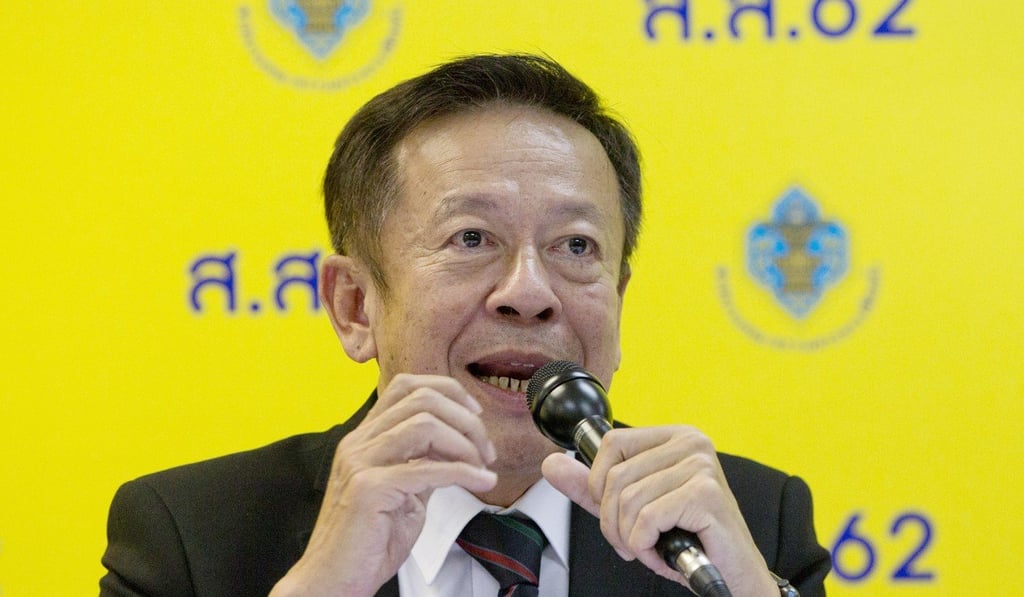
The EC’s shortcoming was compounded by confusion and indecision over which formula should be used to tabulate party-list MPs. In the end, the EC opted for a controversial formula that awarded smaller parties that did not meet the electoral threshold set in the Constitution.