OpinionFrom Bongbong Marcos to Sara Duterte and Benigno Aquino: a look at Philippine political princelings
- Political dynasties are entrenched in the Philippines, where several contenders in the May 9 election are scions of families which have lorded over provinces and cities for years
- Bongbong Marcos’ potential presidential victory highlights how ‘princelings’, whether by pedigree or destiny, continue to be a force to be reckoned with across Asian polities, from India to Japan
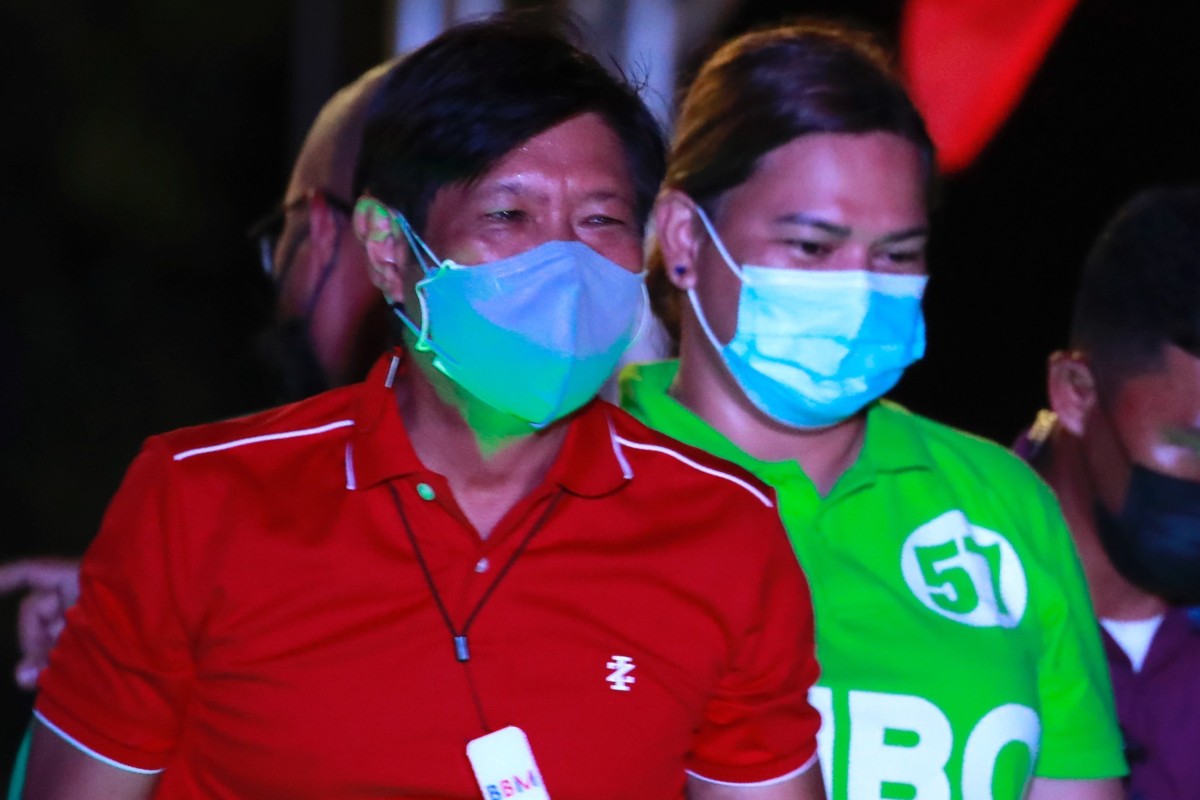
Weeks ahead of the Philippine election, Ferdinand “Bongbong” Marcos Jnr – son and namesake of the late strongman Marcos – is the clear front runner and on the verge of becoming the 17th president.
Multiple surveys indicate he enjoys a commanding lead over his rivals for the top job in the country of 110 million people, where more than 67 million are eligible voters.
Should the indications from the polls translate to actual votes, the former senator will join the who’s who of Asian “princelings” – offspring of ex-leaders who rise to become leaders themselves and whose stints in power reinforce the role of political dynasties in the continent’s governance tradition.
With this in mind, Marcos Jnr’s rise is no outlier in Asia. Indeed, his potential victory showcases how political dynasties, whether by pedigree or destiny, continue to be a force to be reckoned with across Asian polities.
The term “princeling” is most often used to describe high-ranking Chinese Communist Party officials who had powerful parents. This phenomenon is also manifest in other societies governed by authoritarian one-party states, including Vietnam, Laos and North Korea – but it also enjoys wide currency in places where electoral democracy is well entrenched.
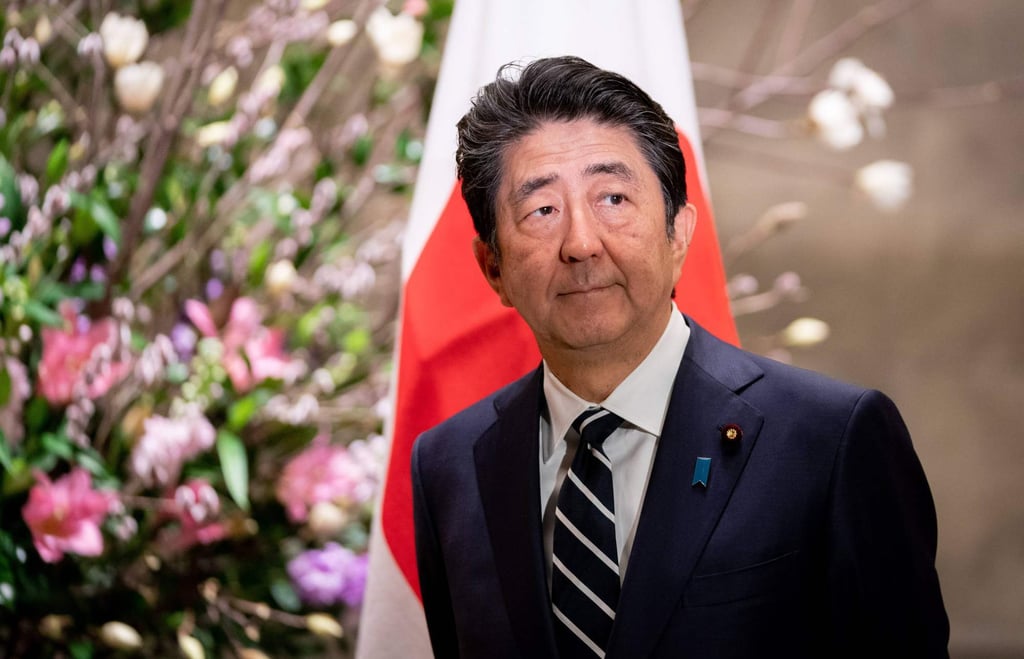
For instance, Japan’s longest-serving prime minister, Shinzo Abe, is the son of a renowned solon who also served as trade and foreign minister. His maternal grandfather, Nobusuke Kishi, was also a former prime minister while his paternal grandfather, Kan Abe, is a former member of Congress.
Other examples include Taiwan’s Chiang Kai Shek and his son Chiang Ching-kuo. While his father governed with an iron fist from 1928 until his death in 1975, the younger Chiang earned plaudits for his lasting contributions to Taiwan’s democratisation during his 1978-1988 stint in power.