Advertisement

CeritalahSant Kabir and spiritual rationalism in Narendra Modi’s India
- While Hindu nationalism and the primordial power of caste may seem all-pervasive in modern India, the questioning and challenging of both goes back hundreds of years
4-MIN READ4-MIN

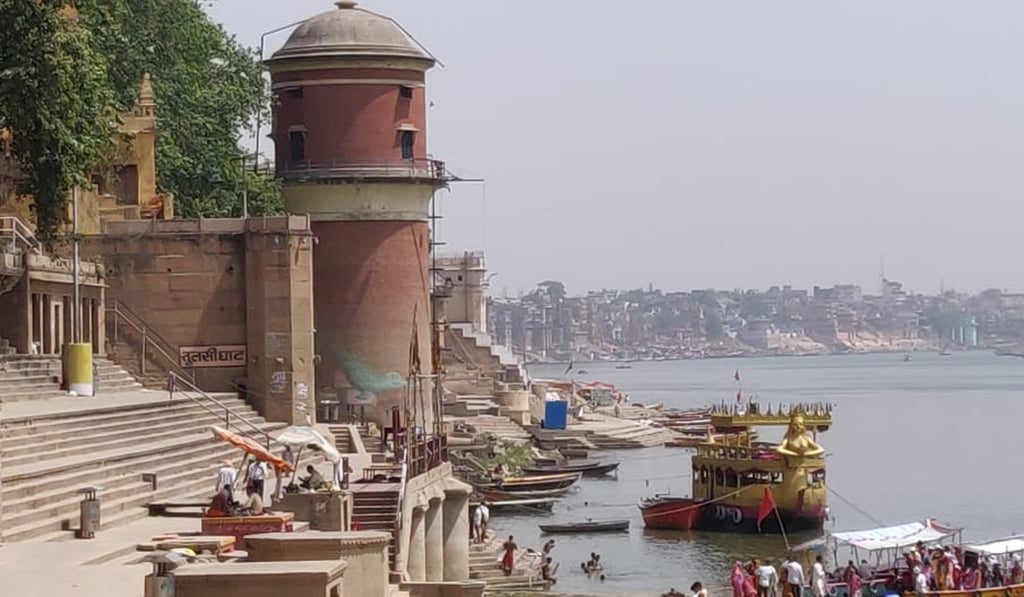
When Sant Kabir, the 15th-century mystic and poet, walked out of the city now known as Varanasi, in northern India’s Uttar Pradesh, he must have known he was leaving for the last time.
Devout Hindus, in the twilight of their lives, have long sought to head towards Varanasi and spend their remaining days in their religion’s holiest of cities alongside its holiest of rivers, the Ganges.
In contrast, Kabir chose to walk away, despite the wizened iconoclast having been born there – rejecting ancient Hindu practice and orthodoxy.
Advertisement
He was not the first and will not be the last to take the road away from Varanasi, forsaking the world of Brahmins and casteism. Indeed, while Hinduism – or rather, its Hindutva nationalist strain – and the primordial power of caste seem all-pervasive today, the questioning and challenging of both goes back to the time of the Gautama Buddha, who died nearly a thousand years before Kabir was born.
Advertisement
In fact, Kabir would most probably have passed the ruined monasteries and temples at Sarnath just outside Varanasi where the Buddha delivered his first sermon. While Buddhism itself has waned in its Indian birthplace, the reformist trends it started continue well into the present.
Advertisement
Select Voice
Select Speed
1.00x