
Abacus | Why China’s SUV sales can accelerate even as the economy slows
The current spending splurge is not a last hurrah of Chinese consumers on the eve of a debt crisis – but a sign of something far healthier

Last month Beijing’s bean counters announced that China’s economic growth rate fell to 6.7 per cent in 2016, its lowest since 1990. The slowdown was no surprise. In an economy plagued by industrial overcapacity, much of it funded by a rapid accumulation of debt, policymakers are attempting to pull off the delicate trick of eliminating excess capacity while restructuring debt and achieving deleveraging. The inevitable result is weaker growth.
Two Asian ideas of social welfare that will never get off the ground
But no one seems to have told Mr and Mrs Wong. Despite slowing growth, China’s archetypal consumers are spending more lavishly than ever before, and on more expensive goods and services.
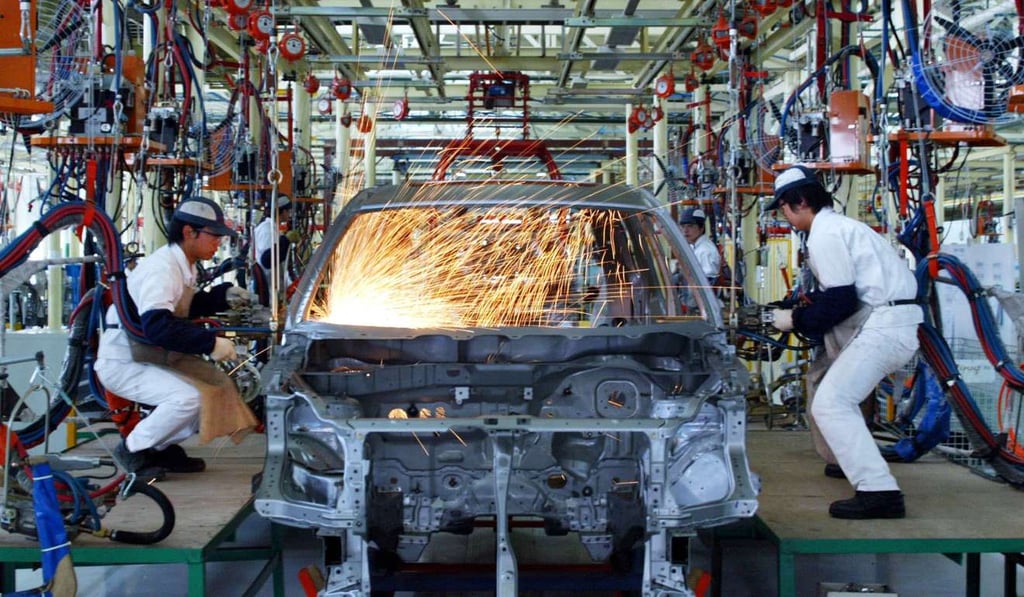
Consider China’s car sales. Last year sales of passenger cars hit a record 24 million. And the fastest-growing segment of the market was the top end in terms of price. While sales of basic saloon cars have been stable for the last three years, over the same period the sales of pricier sports utility vehicles (SUVs) and seven-seater people-movers have tripled. This year, sales of the more expensive models are expected to overtake those of traditional entry level autos for the first time.
Chinese-led free-trade block is ill-conceived fantasy
So what’s going on? Is the current spending splurge the last hurrah of an overleveraged consumer on the eve of an inevitable debt crisis as the economy slows? Or is everything we’ve heard about unsustainable debt, enormous industrial overcapacity and slowing growth as wide of the mark as all the other warnings of Chinese economic collapse over the recent years?
The answer is neither. What’s actually happening is far more interesting. In reality both trends – booming high-end consumer sales and over-investment in redundant industrial capacity – are natural, albeit poorly understood, consequences of an economy that is advancing from one phase of development to the next.
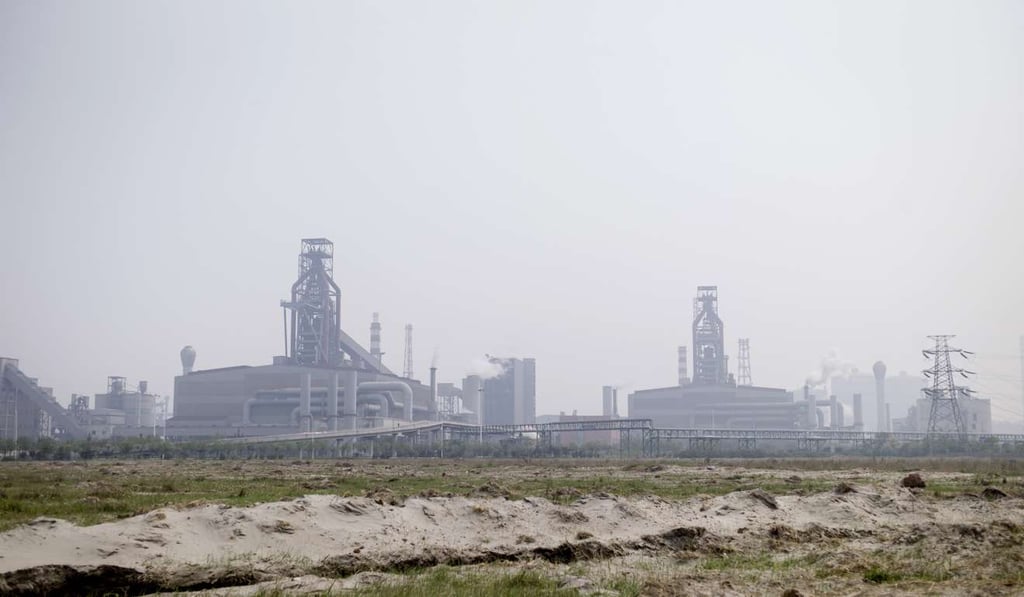
First, the overcapacity in heavy industrial sectors. Let’s take steel as an example. For much of the last couple of decades, China has been engaged in upgrading its housing stock and in building much-needed new infrastructure. Constructing all those tower blocks, power stations, railways and bridges needed an awful lot of steel. And to produce all that steel, China needed a lot of new steel mills, which themselves had to be built largely of steel.