Rohingya refugees in Bangladesh struggle with fear and stigma amid coronavirus
- Some refugees living in cramped camps are afraid to seek medical help due to misconceptions about Covid-19
- Experts worry the spread of the virus among this community may be more serious than figures reveal, and warn that a spike could have devastating consequences

As he was being treated at the Kutupalong field hospital, Mohammad’s relatives began facing pressure and threats from the community for wanting to quarantine in their home.
“I started receiving phone calls from the camp majis [community leaders] who were pushing to send my family to a quarantine centre,” he said. “My family said everyone in our block was starting to think badly about them. People were saying that I was Covid-19 positive because I was a bad person.”
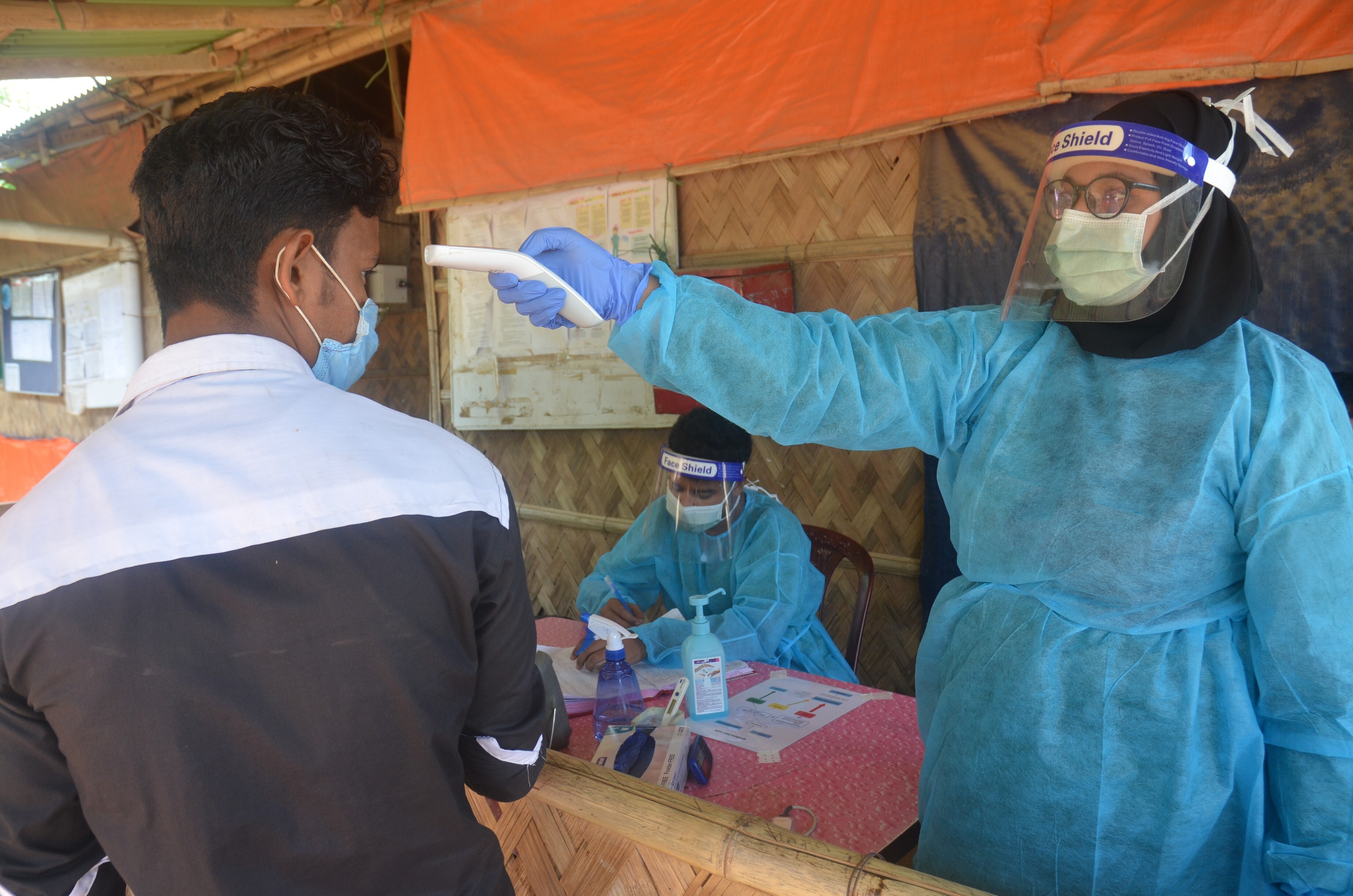
Mohammad, who is in his 30s, said some people even threatened to physically hurt his family.
“People surrounded my house with sticks … saying they would burn our house down if my family didn’t go into quarantine,” he said. “It was so shameful for my family. They felt extremely frightened.”
Aid workers and experts say many Rohingya refugees – who grapple with poverty, long-term health issues and unsanitary conditions at overcrowded refugee camps in Bangladesh – have struggled in recent months with fear and stigma about the coronavirus disease.