Explainer | Australia’s May 21 election: how will China feature and what are key campaign issues for Scott Morrison?
- Prime Minister Scott Morrison has called for the election on May 21 against a backdrop of missteps and controversies that pundits believe will affect his chances
- China is portrayed as a threat to Australia, with allegations of foreign interference and spying; polls show parties rate evenly on relationship with Beijing

What pollsters and political watchers have to say about how the government of Prime Minister Scott Morrison will fare in the upcoming national election reads somewhat like a tabloid scandal.
Morrison has called for the election on May 21 against a backdrop of missteps and controversies that pundits believe will affect his chances. Yet, in the May 2019 election, Morrison lagged behind in opinion polls before pulling off a win.
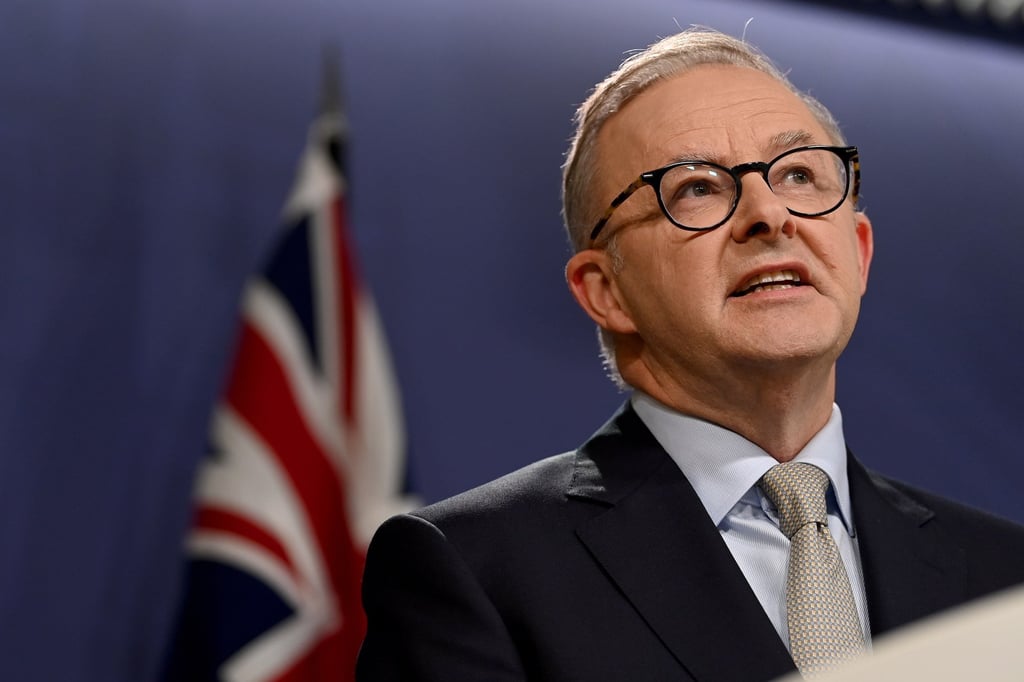
He is the first Australian leader to face two consecutive elections in almost 15 years, after a decade of political chaos in the country where prime ministers were regularly replaced by their own party over internal leadership spills.
On May 21, all 151 lower house or House of Representatives seats will be up for grabs. The party or coalition holding a majority in the lower house will choose the new PM and form the new government.
Voting is compulsory for about 17 million Australians, who must register when they turn 18. Those who do not vote face a fine of A$20 (US$15).
We take a look at the issues that have dogged the government and how they might emerge during the campaign.