Advertisement
Why US interception of Iran tankers in Asian waters pose new risk to Asean neutrality
The bigger risk is not of the Iran war spilling into their waters, but the strain of operating in more contested sea lanes, analysts say
2-MIN READ2-MIN
Listen

US interceptions of Iranian-linked tankers in Asian waters suggest Washington’s maritime pressure campaign may be spreading eastward, raising new risks for Southeast Asian states overseeing crucial sea lanes.
Analysts said that although Southeast Asian nations were not parties to the war, countries such as Malaysia, Indonesia and Singapore were not insulated from rising US-Iran maritime tensions.
For these states, the bigger risk may not be a Gulf conflict spilling directly into their waters, but the strain of operating in more contested sea lanes, where they could face greater surveillance, pressure to police sanctioned shipping and a higher risk of confrontation along routes vital to trade.
Advertisement
The US has sought to tighten pressure on Iran by blocking access to Iranian ports, a campaign Washington says is aimed at disrupting Tehran’s ability to move sanctioned oil and other cargo through the Strait of Hormuz, one of the world’s most important energy chokepoints.
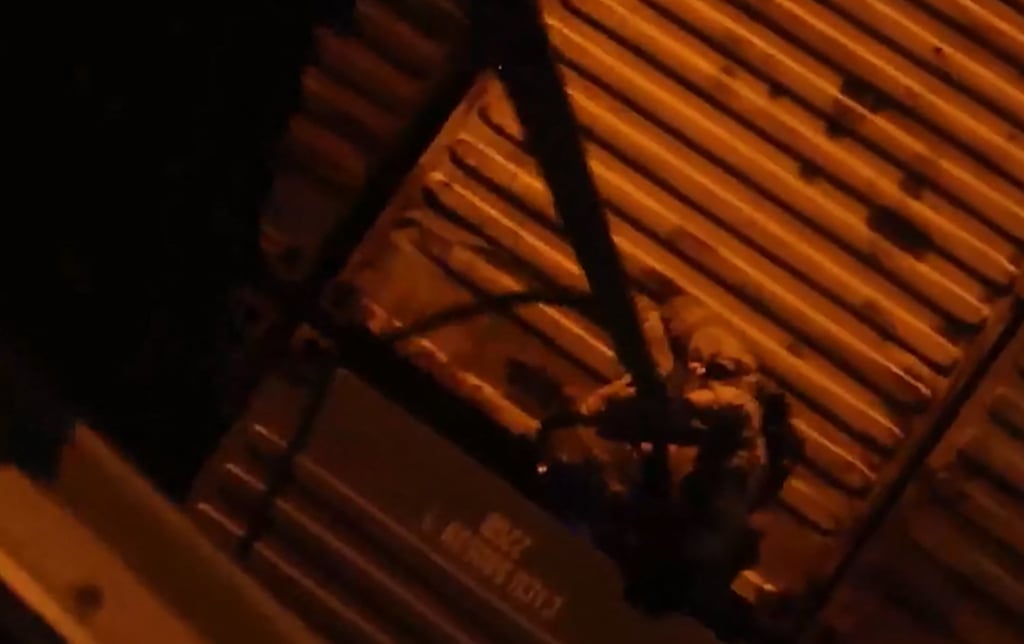
On Wednesday, the US military reportedly intercepted at least three Iranian-flagged tankers in Asian waters, redirecting vessels from the seas off India, Sri Lanka and Malaysia.
Advertisement
Advertisement
Select Voice
Select Speed
1.00x