Advertisement
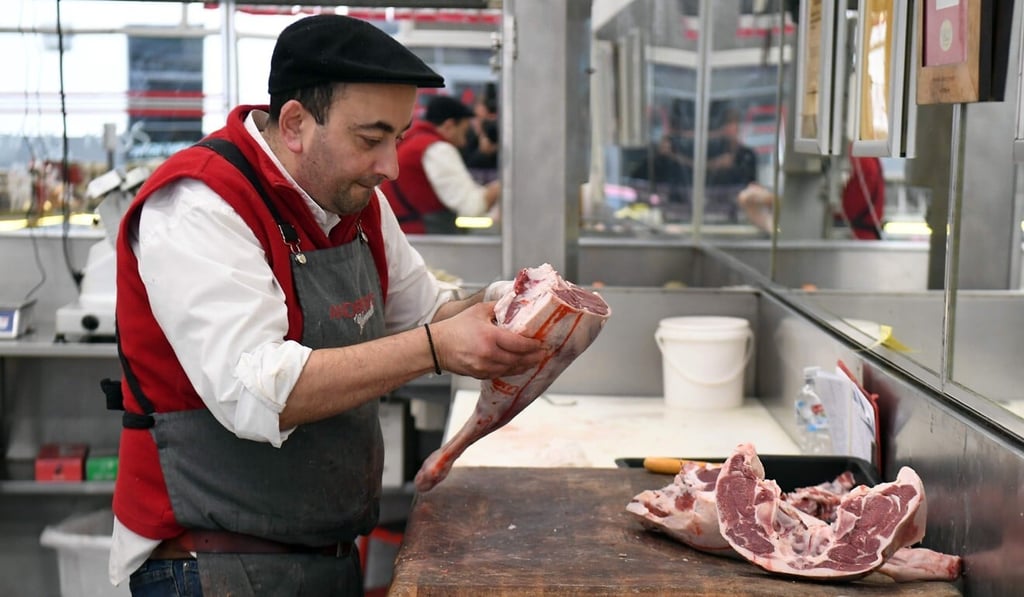
As China’s beef with Australia hits its economy, will Canberra be cowed?
- Australia has long maintained it can reap the benefits of a trading relationship with China without sacrificing its ties with the US
- But China’s recent move to impose restrictions on Australian imports has forced Canberra to weigh the costs of defying Beijing
5-MIN READ5-MIN

As the 2007-08 global financial crisis ravaged the world economy, Australia leaned on booming exports to China, which only months earlier had eclipsed Japan as the country’s largest trading partner.
The roaring trade in commodities such as iron ore and coal helped Australia emerge as one of a handful of developed countries to avoid an economic downturn.
A little over a decade on, Australia’s reliance on China is increasingly viewed as less of a lifeline and more as a risk, a fear exposed last week after Beijing imposed restrictions on Australian imports in a move widely seen as punishment for Canberra seeking an inquiry into the origins of the coronavirus pandemic.
Advertisement
“The ability to separate the economic and political relationships with China – the cornerstone of Australia’s China policy since the mid-1990s – has been revealed as untenable in recent weeks,” said Jeffrey Wilson, research director at the Perth USAsia Centre. “This is because the Chinese government has adopted a Trump-like strategy of using trade coercion to retaliate in diplomatic stoushes.”
Advertisement
For years, Australian leaders have insisted the country can reap the benefits of a lucrative trading relationship with China without sacrificing its liberal Western values or close security alliance with the United States.
Although relations between Canberra and Beijing have been strained in recent years by allegations of Chinese political interference and differences over issues such as the South China Sea and tech giant Huawei, economic ties had until now gone from strength to strength.
Advertisement
Select Voice
Select Speed
1.00x