In Thailand, Airbnb and homestays undercut hotel industry as tourists seek unique experiences
- Airbnb generated US$1.1 billion in direct economic impact to the Thai economy last year, nearly half to local communities
- But hotel operators say home share offerings operate without proper licences and are affecting their businesses, as the strong baht also hurts tourism

The owner of MonHmong, who declined to be named, charges 900 – 1,500 baht (US$30 – 50) for a hut for two guests per night which includes breakfast. Unlike a typical homestay where all meals are covered, guests here order meals from the kitchen.
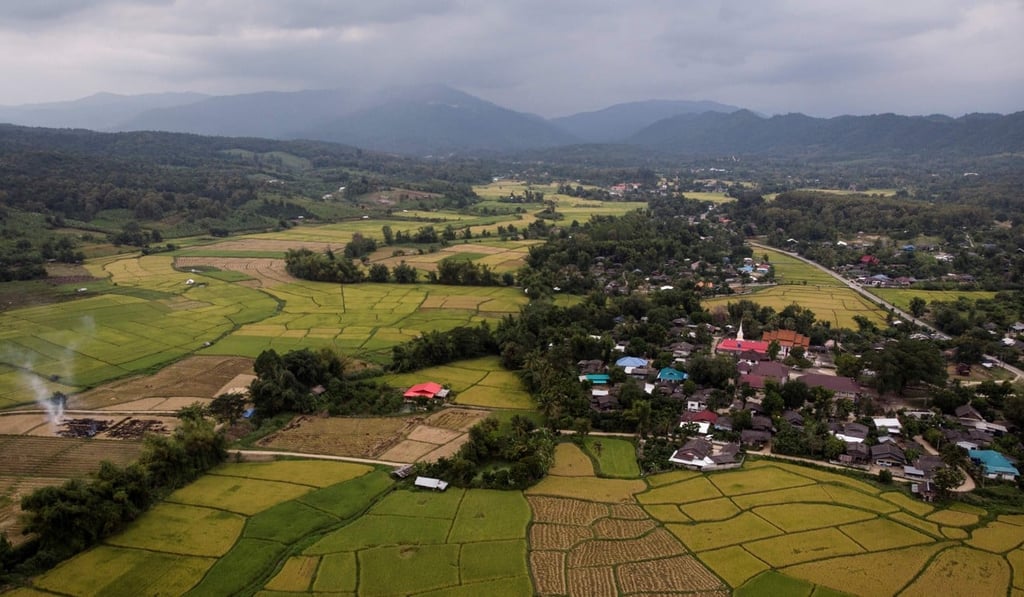
But MonHmong does not meet the tourism department’s definition of a homestay, which is when a host leases out up to four rooms in their home in exchange for a fee.
Homestays in Thailand must register and comply with rules including receiving up to 20 guests at a time and a shared living space for “cultural exchange” between a host and guests. Other types of accommodation that provide short-term stays such as apartments or hotels are licensed separately. A commercial short-term stay at any private residence is illegal.