After TikTok’s success, can Chinese firm ByteDance challenge the dominance of Meta’s Quest in the virtual reality world?
- Weeks after the Pico 4 announcement, Meta unveiled the Quest Pro, a high-end device priced at US$1,499.99
- Total shipments of stand-alone VR devices last year reached 10.6 million, and the Quest 2 accounted for more than 80 per cent, says ABI Research
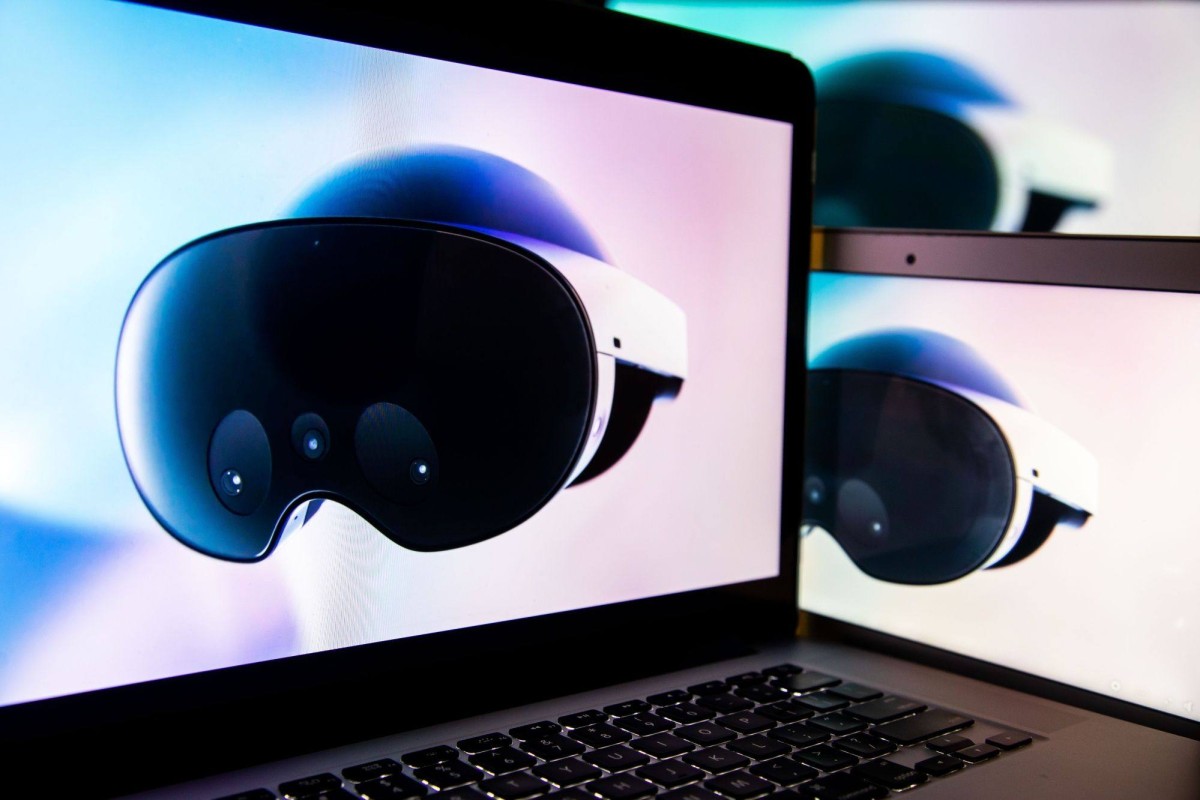
It has been more than three months since virtual reality (VR) developer Pico released its Pico 4 headset in over a dozen markets, the first product launch since the company was acquired by TikTok owner ByteDance in 2021, and early reviews are providing a first glimpse of user reception for the new gadget.
Pico 4 was seen as an alternative to the bestselling Quest 2 VR headset from Meta Platforms, the parent company of Facebook. Both are powered by Qualcomm’s Snapdragon XR2 chips, and priced around US$500.
After TikTok’s overwhelming success in the social media world, VR has become the next battlefield for ByteDance and Meta. Weeks after the Pico 4 announcement, Meta unveiled the Quest Pro, a high-end device priced at US$1,499.99.
Neither ByteDance nor Meta were willing to reveal sales or shipment figures for their new products, but their Amazon product listing reviews provide a hint of their popularity.
Pico 4, which started shipping in 13 European countries in mid-October, has had almost 440 ratings from verified buyers in Germany and 170 in the United Kingdom. The Quest Pro received 14 and 40 such reviews, respectively.