NFT in Hong Kong: Bored Ape Yacht Club owners seek merchandise deals, art exhibitions for cartoon primates
- Hong Kong buyers of Bored Apes non-fungible tokens see their investments explode in value in the span of months
- But rather than cash in by selling, some owners think their NFTs could grow into something bigger
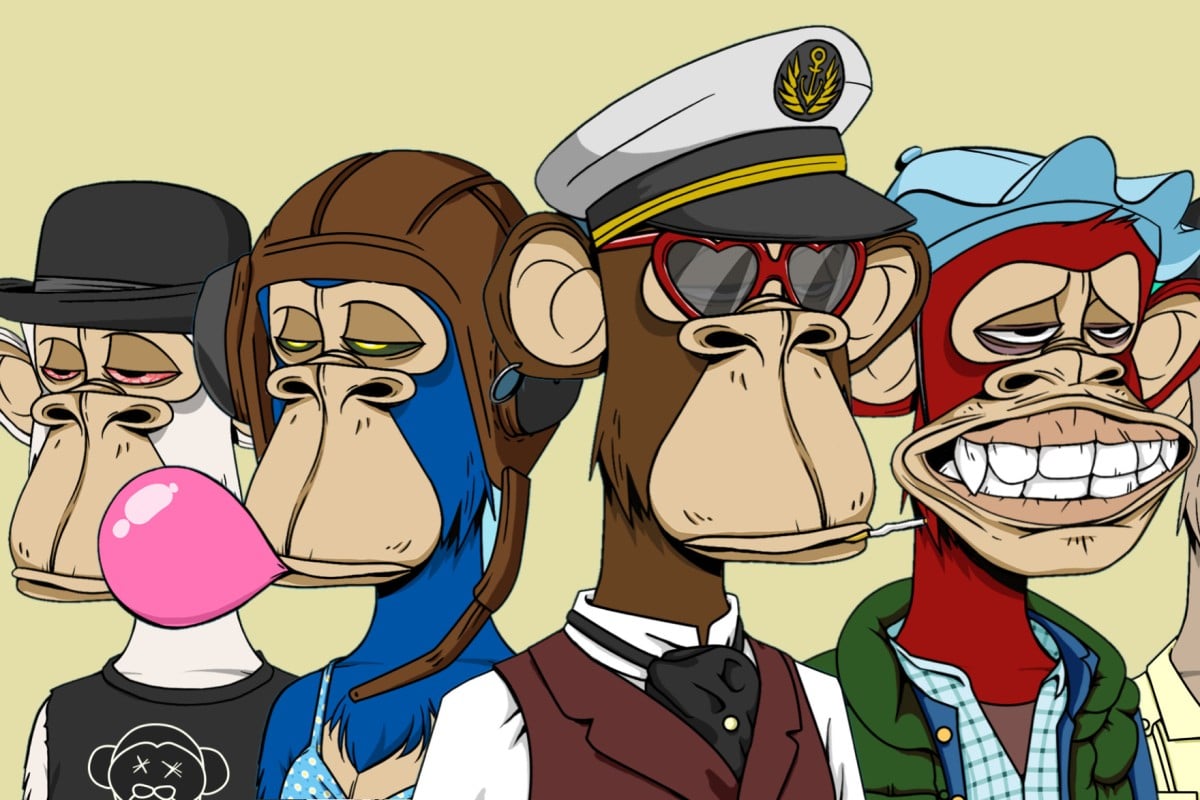
When 27-year-old Raye Chung from Hong Kong bought herself a non-fungible token (NFT) from the Bored Ape Yacht Club (BAYC) project in July, she had little inkling that this portrait of a cartoon ape would become one of the world’s most sought-after digital collectibles.
Four months later, Chung saw the price of that image, which she bought for under US$10,000, rise to more than US$200,000. With only 10,000 portraits of similar cartoon apes in circulation, Chung has joined an exclusive group of BAYC members that include global celebrities such as US talk show host Jimmy Fallon and American basketball star Stephen Curry.
For Chung, a student studying to become a wildlife conservationist in Japan, the experience has been wild. “Originally, I invested in cryptos and NFTs because I knew that my chosen profession could hardly support me financially, so I figured I’d have to find an alternative income,” she said. “But now here we are, really trying to make some noise.”
NFTs, which are blockchain-verified tradeable vouchers that guarantee the authenticity of a digital asset, have become all the rage in the past few months. Increasingly, NFTs are becoming a popular vehicle for digital artworks, with hot ones such as Bored Apes being valued at millions of dollars.
For Chung, it all started when she discovered what was initially a Facebook group called Elite Apes. Founded in July by Jason Au, whose day job is director of the Nasdaq-listed investment firm SGOCO Group, the private club consists of Bored Apes owners from Hong Kong. At the moment, it counts Chung and about 150 other NFT collectors as members, who range from company executives, academics, students, engineers and artists.
Elite Apes represents one of several new community groups focused on digital assets that have emerged in Hong Kong. While mainland Chinese authorities view digital assets such as bitcoin with suspicion and treat them as threats to financial stability, Hong Kong has gradually become a regional base for these new forms of investment.
While some people believe that digital collectibles are merely bubbles propped up by loose monetary policies pursued by central banks around the world, the experiences of people like Chung showed that plenty of investors have come to embrace NFTs as the next big thing on the global financial, social and art landscapes.