2019 China tech look ahead: trade war likely to cast a shadow as AI, e-commerce, smartphone progress continues
- China and the US remain on a collision course over global leadership in hi-tech innovation

The US-China trade war knocked the wind out of the Chinese hi-tech industry’s sails in 2018, threatening to slow down its expansion in everything from smartphones, wireless network equipment and self-driving cars to semiconductors, e-commerce and financial technology.
While a 90-day ceasefire period is in place for negotiators to end the war, major Chinese technology companies and national initiatives are expected to continue to face challenges in 2019 as the world’s two largest economies remain at loggerheads over global leadership in hi-tech innovation.
Here we take a look at the views of analysts, executives, and experts to see which sectors and companies will likely be in the spotlight in 2019 and what the big issues are expected to be.
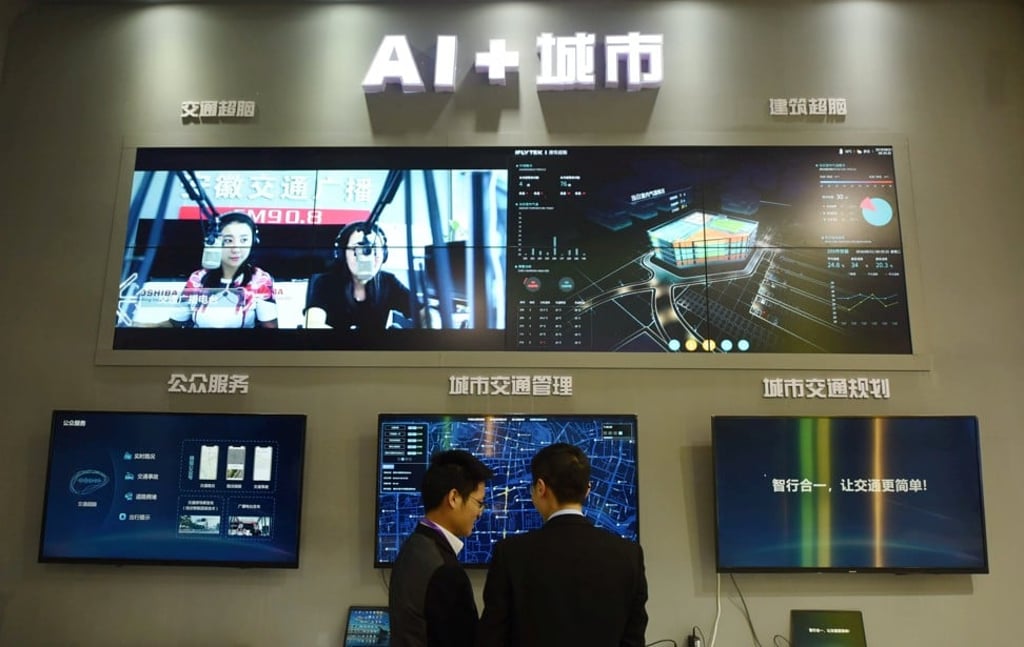
AI gets political
Artificial intelligence, which involves computer systems performing tasks that simulate human intelligence, is expected to turn into a high-stakes political issue for China, as unresolved trade tensions prompt the US to tighten controls over the export of chips and other key technologies to the mainland.
That development could restrain the efforts of Chinese AI companies, which are dependent on foreign suppliers for major software and hardware components, according to Li Jingwang, an analyst with the China Academy of Science and Technology for Development.