Hong Kong’s Global Matching 2020 ‘beats’ Covid-19 to help investors find innovative start-ups
- Inaugural event promoting collaboration, with six-day ‘virtual’ programme to overcome pandemic’s travel restrictions, sees 160 ventures secure funding partners
- Success of initiative, hosted by Hong Kong Science and Technology Parks Corporation, shows city’s resilience in face of crisis, says CEO Albert Wong

[Sponsored article]
The global outbreak of the coronavirus disease, Covid-19, has changed the way we will live and work forever.
Lockdowns introduced to prevent the continuing spread of virus have forced many companies, including airlines, shops and restaurants out of businesses, or temporarily halted their services, while other firms, schools and universities have asked staff and students to carry on while working remotely from home.
Yet the pandemic’s deadly, ever-expanding reach has led to a few positives, too, by creating a “new normal”, which has accelerated digital transformation and corporate innovation worldwide and shown that future success will increasingly depend on companies being open to fresh ideas and a collaborative business approach.
Last month, Hong Kong Science and Technology Parks Corporation (HKSTP) – set up by the Hong Kong government in 2001 to provide expertise and all-round support to help innovative start-ups get their ideas off the ground – hosted its inaugural matchmaking initiative to promote collaboration, Global Matching 2020.
This led to more than 270 preregistered world-class companies and regional investors interacting with local and overseas start-ups that had been looking for partnerships to help them unlock the business potential of their innovative ideas.
Spotlight on innovation and technology
The six-day virtual programme, held from July 16-23, proved a great success, with corporate partners and investors matched with 160 global innovative technology ventures offering solutions to serious challenges facing industries. It organised and staged more than 300 one-on-one online matching meetings.
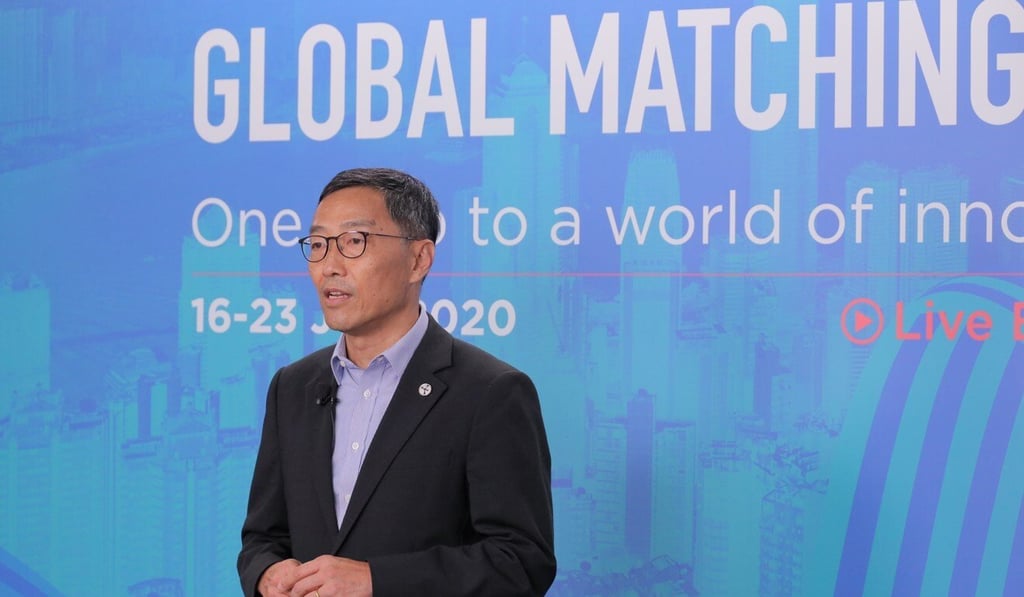
“Covid-19 doesn’t stop us from reaching out to more start-ups, partners and investors,” Albert Wong, CEO of HKSTP said. “With virtual replacing physical wherever possible, we see this new normal spurring innovation and technology within organisations to reinvent themselves and bounce back even stronger.”
Global Matching 2020 aimed to provide businesses and investors with a dedicated online platform offering “one stop to a world of innovation”, and help start-ups and entrepreneurs introduce their innovative solutions and products to potential customers and quickly get them to market, he said.
‘No innovation without collaboration’
Bayer HealthCare is one of the business partners involved in the matching programme. The international life sciences company, which specialises in health care and nutrition, runs its own G4A start-up incubation initiative, which led to it becoming the first health care partner of the Global Acceleration Academy – a flagship acceleration programme led by HKSTP.
Bayer said that at Global Matching 2020 it had been hoping to meet potential biotech companies and innovative health care companies to co-create leading solutions to global challenges caused by the growing and ageing population.
“We are inspired by people who take leaps – like the spirit of our ‘Leaps by Bayer’ goals tackling huge challenges facing humanity,” said Annie Chan, innovation lead at Bayer HealthCare and head of its speciality medicine business unit.
“We were looking for gene-editing start-ups to develop gene therapy to treat diseases causing blindness and prevent or cure cancers; or those working on stem-cell research to regenerate dead heart-muscle cells.
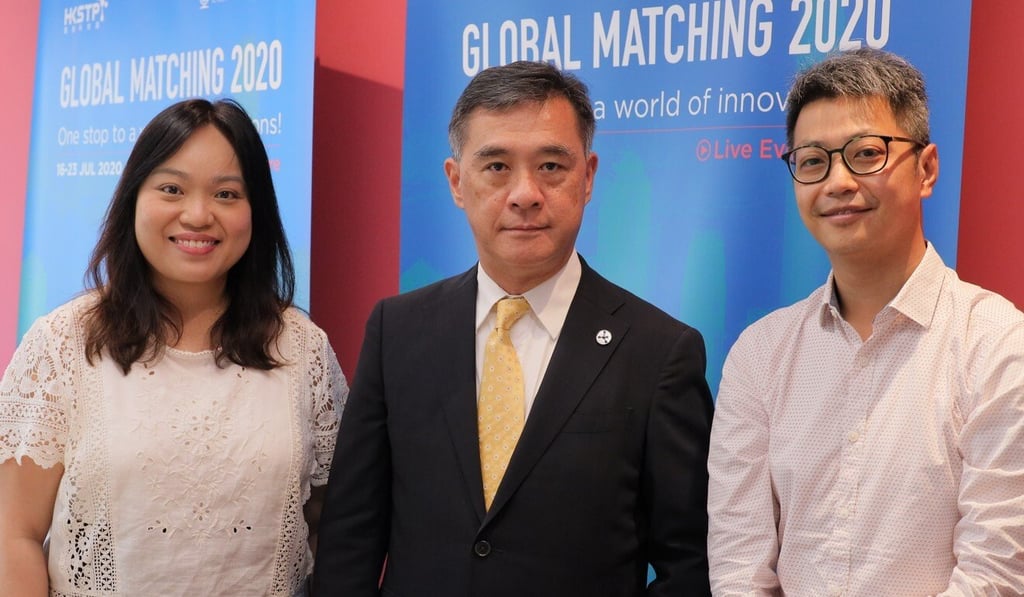
“There is no innovation without collaboration. By enlisting the help of the extensive network of Hong Kong Science Park and the carefully crafted selection process we can stay connected to the most creative minds.
“We can create breakthrough and sustainable innovations for new health solutions by collaborating, learning and co-creating best-fit and realistic solutions for patients, while start-ups can leverage the corporation's resources to propel their development – resulting in a win-win-win situation.”
Crises offer new opportunities
Almost HK$5 billion (US$645 million) of venture capital (VC) investment was allocated during last year’s Series A and B funding rounds in Hong Kong. Although economic uncertainty since then has slowed down the pace of financial support, for some VC firms it is still business-as-usual.
“Inevitably, the pandemic has had an impact on VC funding activities,” said Johnson Lin, a partner at WI Harper Group, a VC company that has already made more than 100 investments in the technology, clean technology and health care sectors. “But there are new opportunities arising in times of crisis.”
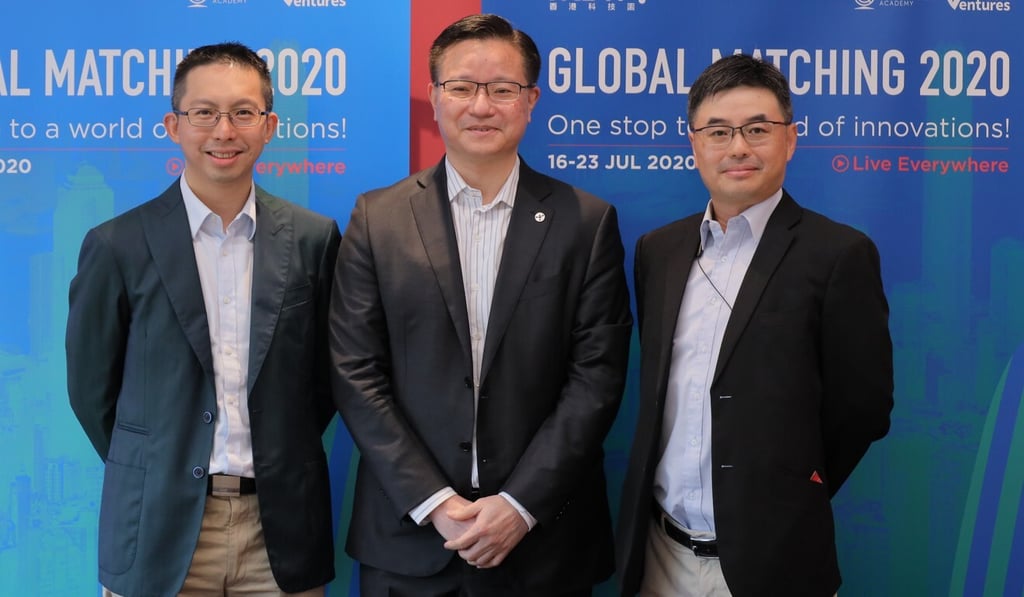
Lin said positive investor interest was increasing in sectors such as e-commerce, telemedicine and biotech, which have benefited from the Covid-19 outbreak. The pandemic has also helped to reinforce investment in sustainability, where portfolio companies such as Ecoinno (HK) and RWDC (Singapore) are seeing a massive rise in demand, he said.
“There are emerging demands for recyclable or biodegradable materials for producing eco-friendly masks and takeaway boxes,” he said. “The alternative plastics industry, as well as the health care sector – especially gene editing and respiratory medical technology – are investment hotspots now.”
Francis Wong, executive director of Sumitomo Corporation Equity Asia, the Asian corporate venture capital arm of Sumitomo Corp, supports such a view. The Japanese conglomerate, which owns more than 800 subsidiaries and associated companies, has seen its affiliates in more traditional businesses such as transport and energy hit by the pandemic, Wong said. “Meanwhile, our digital and media business is burgeoning.”
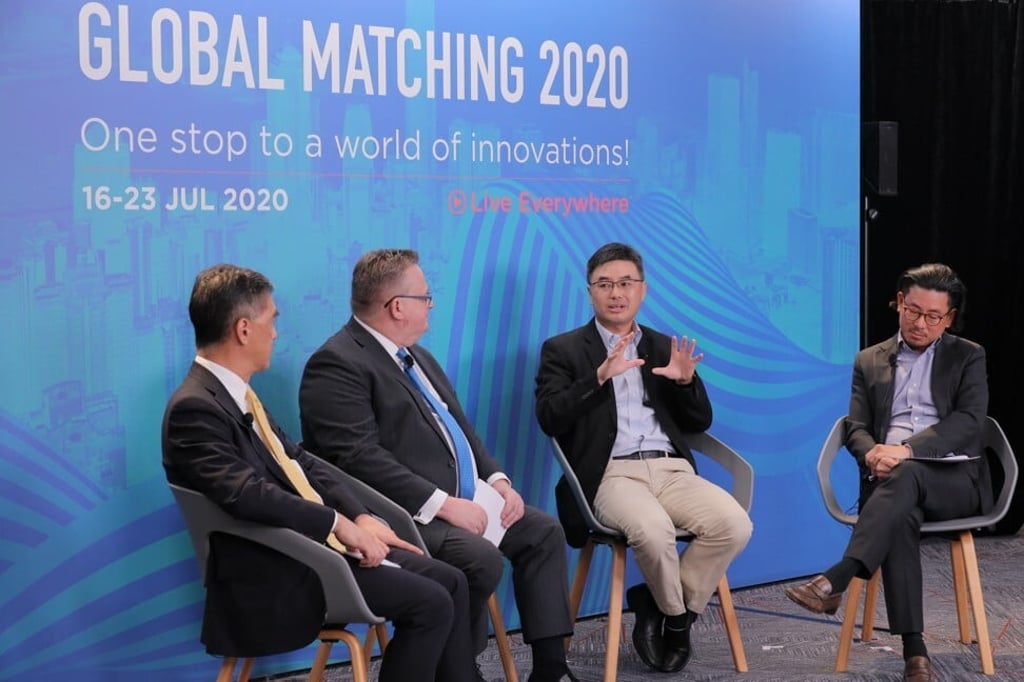
He said the need for innovation has never been greater during the challenging times caused by Covid-19 “because it will play a critical role in achieving efficiency, cost effectiveness and profitability – thereby defining success”.
Wong said he took part in Global Matching 2020 in the hope that his company would be able to invest in high-potential start-ups that would provide support for the corporation as it seeks to digitise its existing products, services or processes.
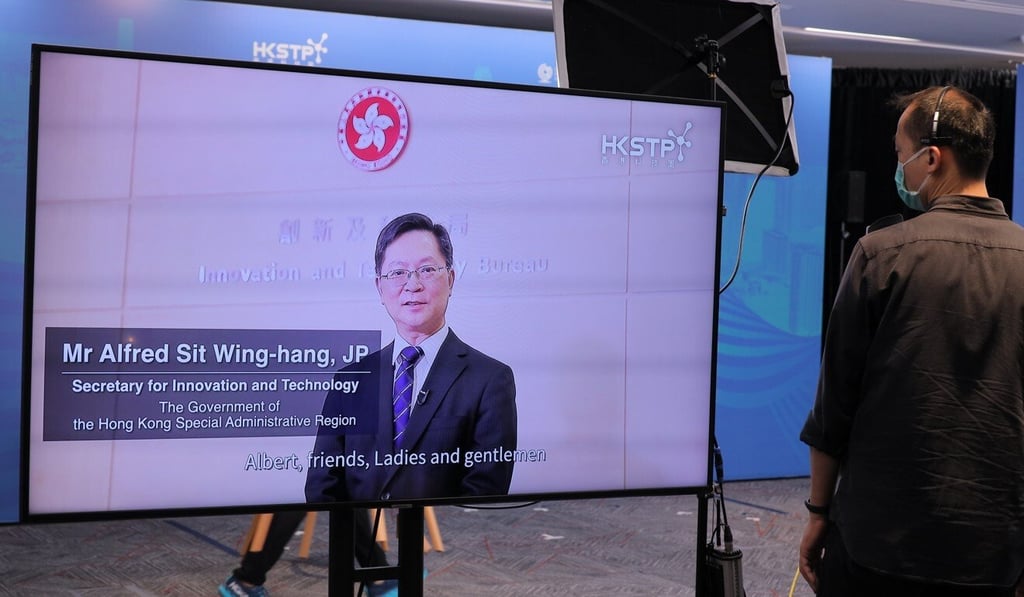
Hopes of future business growth
ANTwave Technology was one of the technology ventures involved in the programme. The graduate company from HKSTP’s incubation programmes owns a patented transparent meta-surface film technology for use in antenna design, which helps improve indoor 5G coverage by allowing a 5G millimetre wave communication signal to pass through glass windows.
Jacky Leung, the company’s chief experience officer, said it had been looking to introduce its 5G-enabled glass technology for 5G-connected vehicles to potential partners among vehicle manufacturers and telecommunication companies.
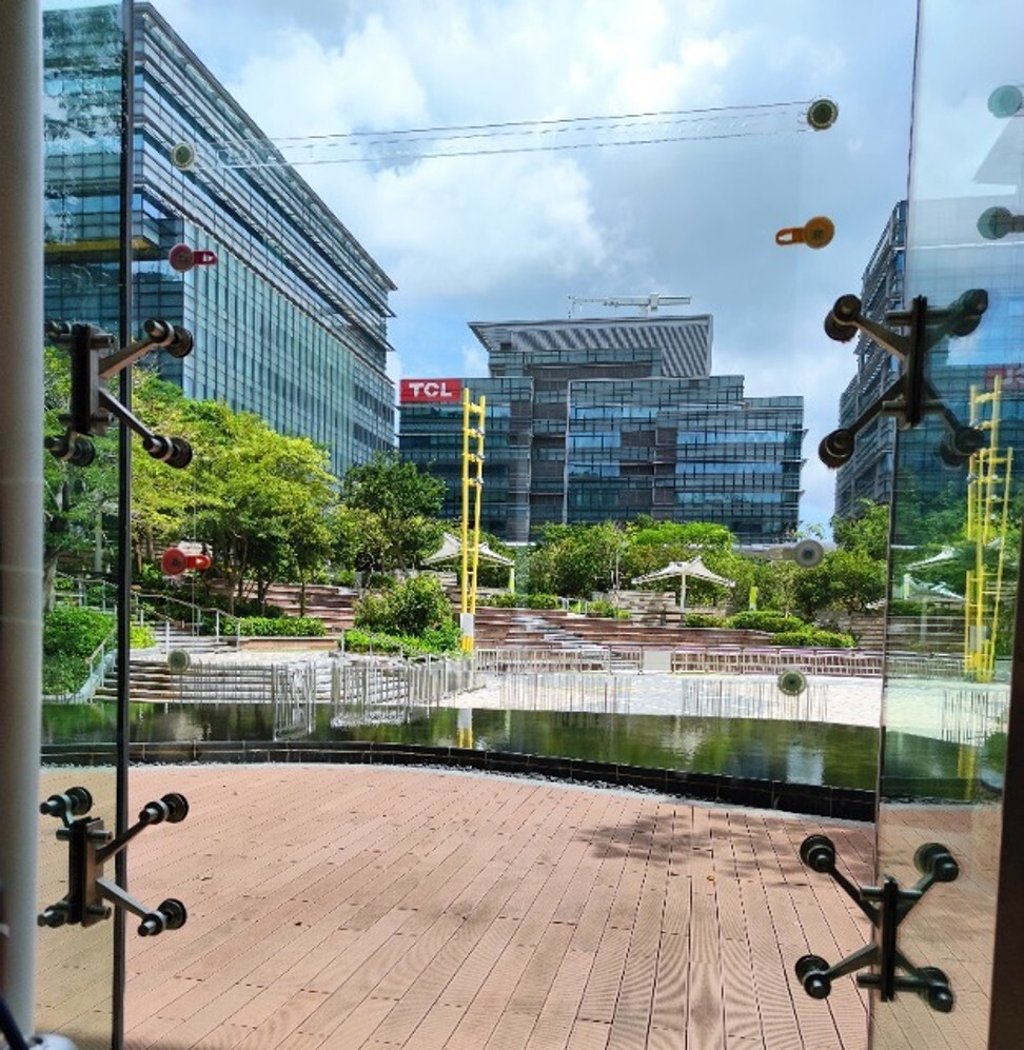
“Because of the pandemic, many international exhibitions have been cancelled and fundraising is taking longer and [is] harder than before,” he said. “This matching programme [was] timely [and] effective for us to reach out to potential business partners and source deal flow without travelling.”
Global Matching 2020 helped technology ventures from 29 economies, including mainland China, Singapore, the United States and Brazil, to connect with preregistered businesses and investors that were looking for innovative funding opportunities and solutions that address problems in eight industry verticals – consumer and retail, education, logistics and manufacturing, travel and hospitality, finance and insurance, health care, real estate and construction, and smart city and government.
Albert Wong said the broad level of support for fast-track innovation during the virtual initiative showed the extent of Hong Kong’s resilience, strengths, diversity and scale of technological venture opportunities despite the current market challenges.