Philip Tinari on his journey through art and culture, and Tai Kwun’s potential
After 20 years in Beijing, Tai Kwun’s new deputy director and head of art talks about why Hong Kong is now the place to be

I WAS BORN outside Philadelphia and I lived a typical American East Coast suburban childhood. My grandparents had a business selling African violets, so we would help out in the greenhouses on school holidays. It wasn’t so much art, but it was very much about putting something beautiful into people’s lives.
I WENT TO an all-boys’ Jesuit high school in Philadelphia, then I went to Duke University, in North Carolina, as an undergrad. My major was literature and history, but I started to study Chinese because it was seen as quite difficult and also maybe useful in the future.
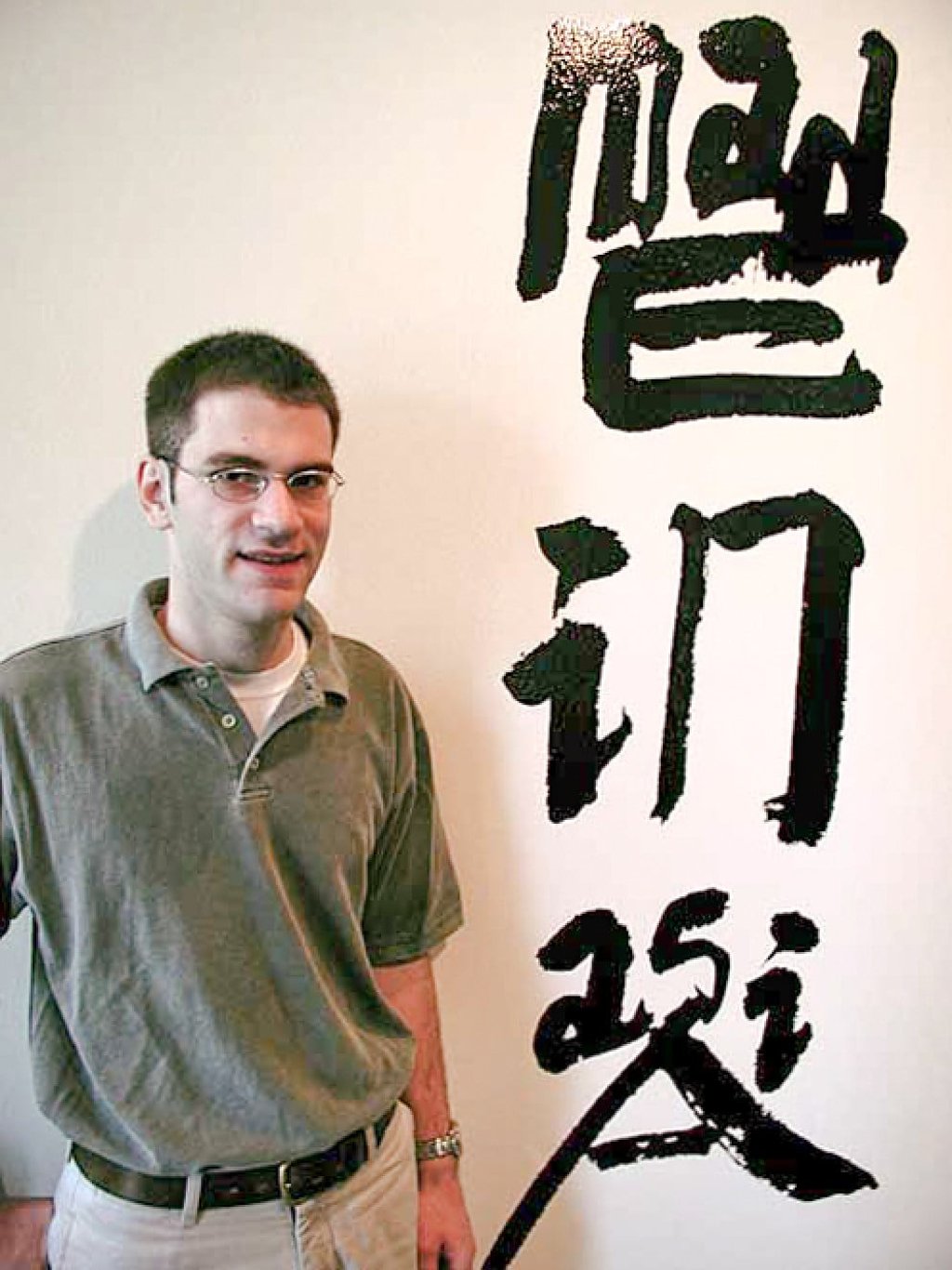
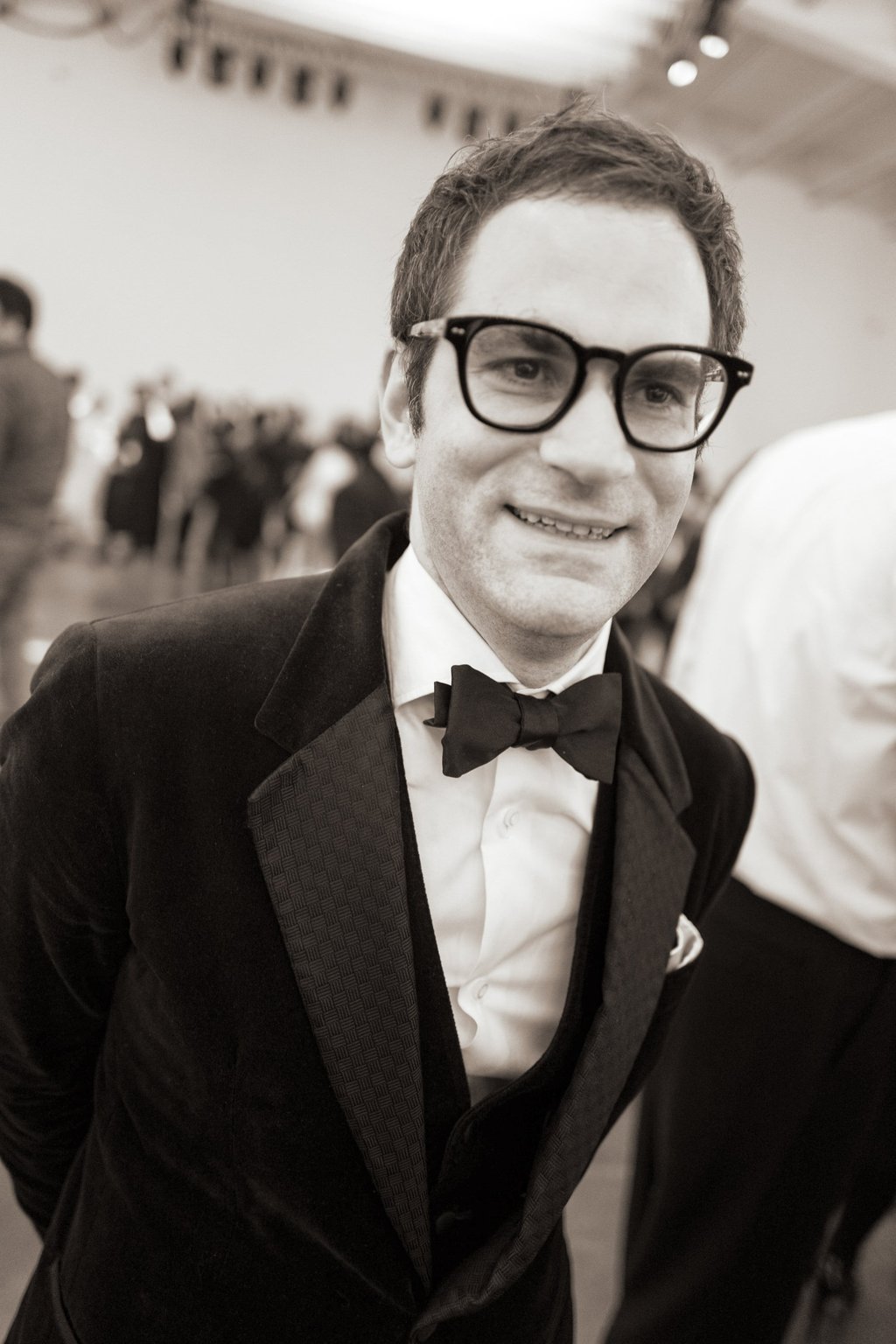
I DECIDED TO stay in Beijing. I just figured I had learned all this Chinese so it would be a shame to forget it. For a few months I worked on the first Guangzhou Triennial – I remember living inside the museum for two or three months just helping to prepare the catalogue. I was also quite connected with the journalistic community, so when Sars (severe acute respiratory syndrome) began, in the spring of 2003, Erik Eckholm, the bureau chief for The New York Times, would have me read the Chinese newspapers and write a report on what was going on. Whenever we heard there were cases in places like Taiyuan, we’d get on a plane and fly there and look for them. The following year, I went back to the United States and did a master’s degree in East Asian studies at Harvard. I felt contemporary Chinese art was fascinating, but it was something you maybe did for one year after college.
WHILE I WAS AWAY from China, between 2003 and 2005, things really picked up because the Beijing Olympics were coming and the market really started to rev. When I finished my degree, I was taken on by Sotheby’s to write the catalogue for their first auction of contemporary Asian art in New York. After six months, I was certain that this was what I wanted to do. So, in April 2006, I bought a one-way ticket to Beijing, where I set up a small office with a few friends and we did translation, editorial work and project consulting. In my first or second week, MoMA New York brought its whole international council of more than 100 high-level donors to Beijing. I knew people from Herzog & de Meuron, so I got them permission to drive their tour buses right into the construction site of the Bird’s Nest Stadium. Things were so open.
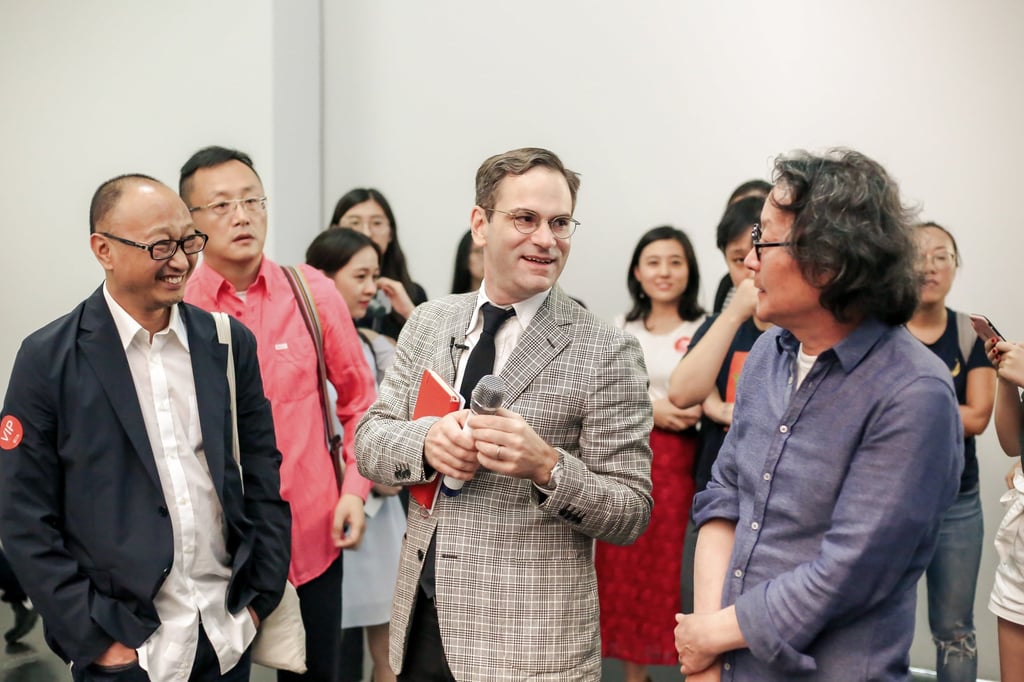
AFTER THOSE FIRST few years, I started a Chinese website for Artforum. And I was Art Basel’s man in China, I wrote an annual report for them about the state of the art world. The idea that there would one day be an Art Basel fair in China was still a dream. In late 2009, I was approached by Guangzhou-based Modern Media, to launch and lead the bilingual art magazine LEAP. After two years, I was recruited to UCCA Centre for Contemporary Art, which was already four years old at that point. I stayed there for 14 years.
My first task is to wrap my head around this crazy place