Scientists hunt Puerto Rico lizards to see how they genetically morph to survive urban life
- The Puerto Rican crested anole lizard has sprouted special scales to better cling to smooth surfaces like walls and windows
- As urbanisation accelerates globally, researchers hope to understand how organisms adapt and how humans can design cities to support all species

Lizards that once dwelled in forests but now slink around urban areas have genetically morphed to survive life in the city, researchers have found.
The Puerto Rican crested anole, a brown lizard with a bright orange throat fan, has sprouted special scales to better cling to smooth surfaces like walls and windows and grown larger limbs to sprint across open areas, scientists say.
“We are watching evolution as it’s unfolding,” said Kristin Winchell, a biology professor at NYU and main author of the study published on Monday in the Proceedings of the National Academy of Sciences.
As urbanisation intensifies around the world, it is important to understand how organisms adapt and humans can design cities in ways that support all species, Winchell said.
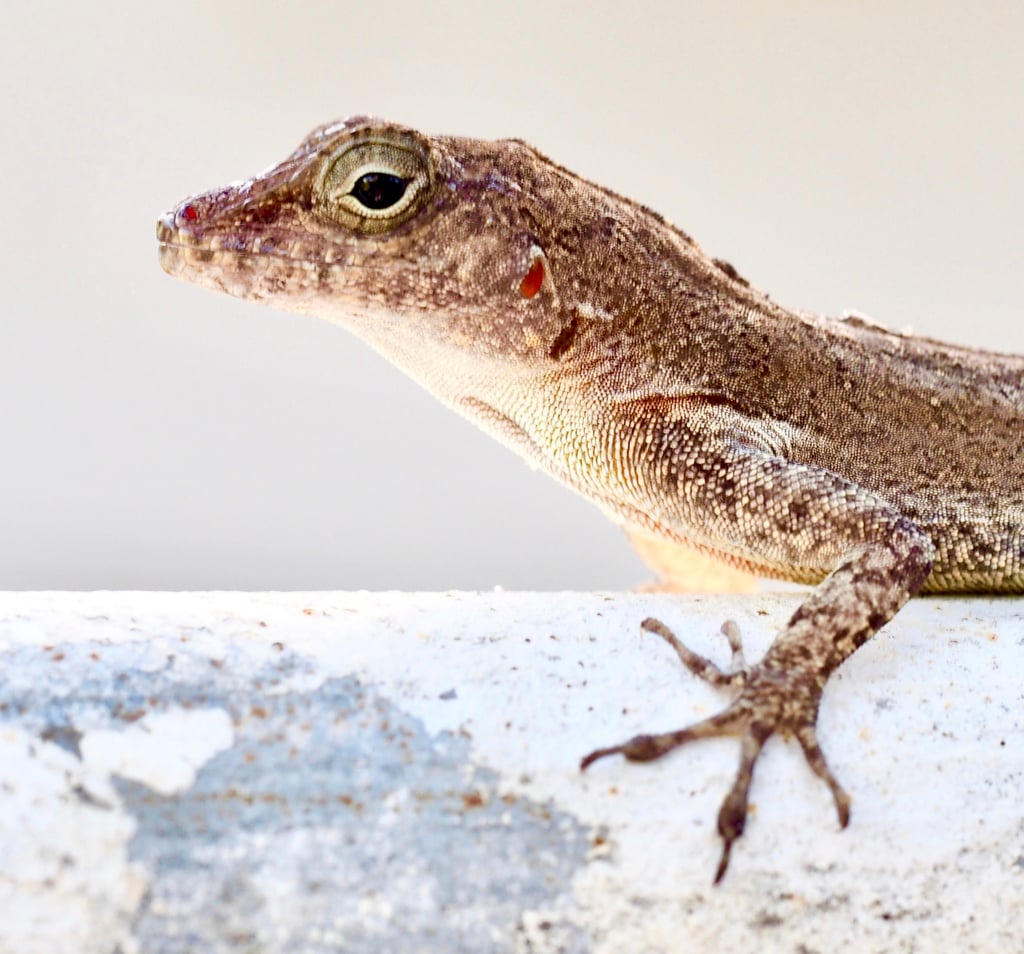
The study analysed 96 Anolis cristatellus lizards, comparing the genetic make-up of forest-dwellers to those living in Puerto Rico’s capital, San Juan, as well as the northern city of Arecibo and western city of Mayaguez. Scientists found that 33 genes within the lizard genome were repeatedly associated with urbanisation.