New report finds no evidence that having sex with robots is healthy
‘We advise that sexbots shouldn’t be used in medical practice’

Sex sells, and robots are no exception. One of the most expensive consumer robots under development, a machine named Harmony, is a US$15,000 union of silicone curves and silicon chips. Part of an estimated US$30 billion industry, Harmony has software that remembers birthdays and can quote Shakespeare. Harmony is also equipped for intimate human-robot relations. Sex doll maker Realbotix, in its marketing materials, bills Harmony as “the perfect companion.”

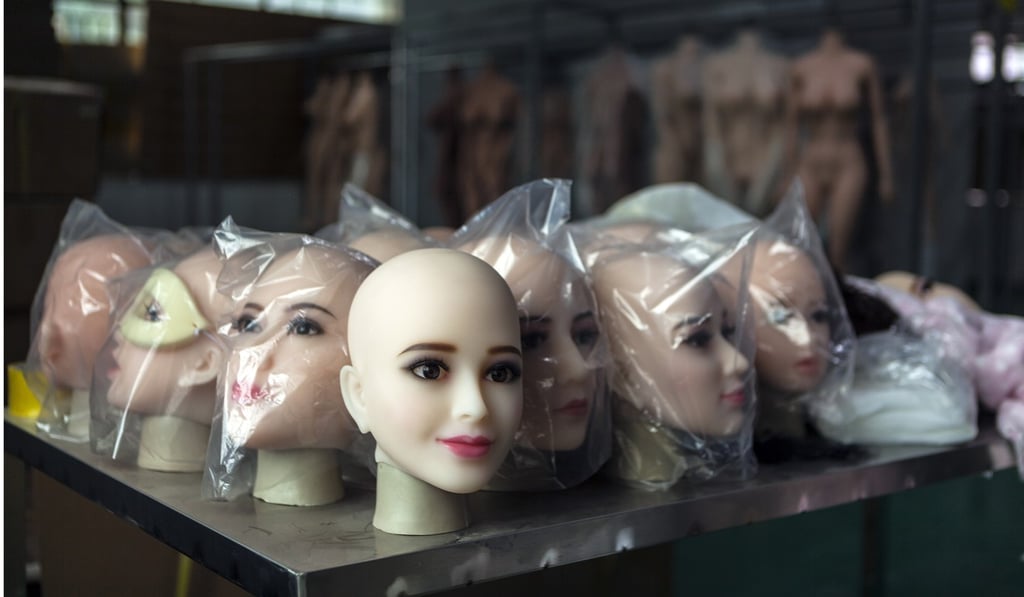
No primary research data on sex robots exist, the doctors concluded. “We advise that sexbots shouldn’t be used in medical practice,” Cox-George said, “at least not unless that forms part of robust and ethical research.”
Noel Sharkey, an emeritus professor of artificial intelligence and robotics at the University of Sheffield in England, applauded the BMJ article. In May 2017, Sharkey, as a co-founder of an organisation called the Foundation for Responsible Robotics, produced a report outlining the sexual future of humans and robots.
It offends me that they think a human woman is like a machine
The Foundation for Responsible Robotics talked to “an awful lot of people,” Sharkey said, and none could provide evidence for clinical uses. The BMJ report goes “a lot further than we did and actually delved into hundreds and hundreds of journals,” he said, yet arrived at the same conclusion.