Advertisement
China-India diplomats are shaking hands, but it’s no holds barred for web users. Why?
As economic and travel links recover, digital battles threaten to undermine official efforts to repair ties six years after deadly clashes
4-MIN READ4-MIN
1
Listen

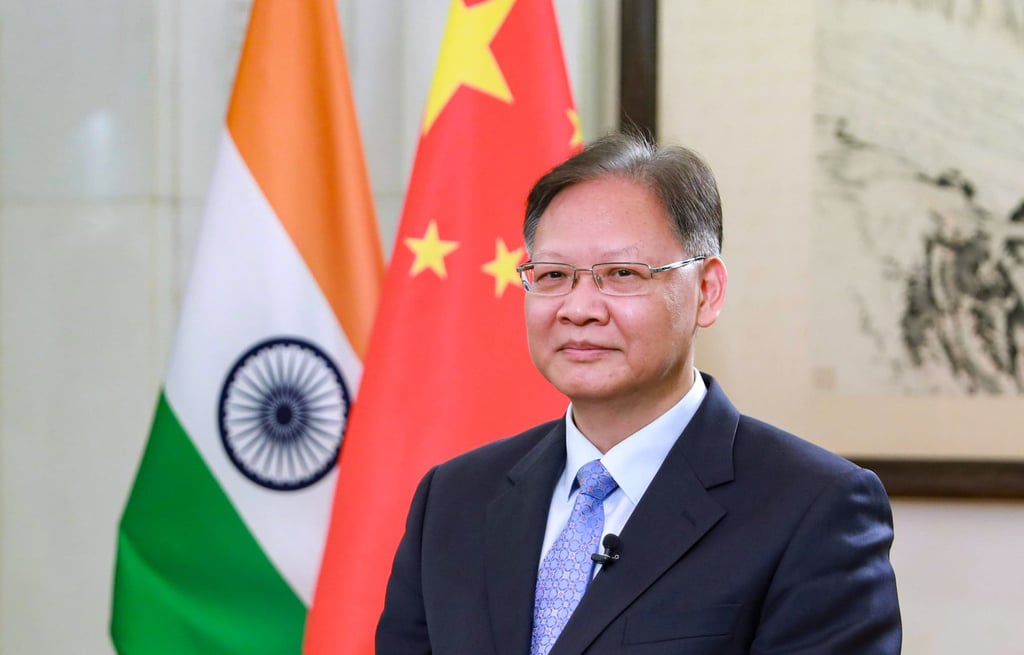
The Chinese ambassador to India’s attempt at bridge-building has triggered a fierce nationalist backlash back home, including accusations that he has lost sight of his role.
“The ambassador seems to have forgotten his actual job,” one social media user wrote this month of Xu Feihong, arguing that the envoy’s role was to make Indians more friendly towards China – not the other way round.
Another took a xenophobic turn, accusing Xu of “letting hundreds of thousands, even millions, of Indian ‘cockroaches’ flood into China” and “polluting the country”.
In June, Xu described China-India ties as being among the “most important” bilateral relationships in the world”, saying they had moved from a “reset and fresh start” to a “new level of development”.
Yet the online outrage extends far beyond Xu’s specific comments. It reflects deep-seated frustration over Beijing’s recent diplomatic overtures to New Delhi, with Xu – as China’s public face in India – becoming a lightning rod for the public anger.
But even as online commenters vent their fury, official state policy and public demand are moving in the opposite direction.
Advertisement
Select Voice
Select Speed
1.00x