‘US laws do not apply in China,’ court is told, as new front opens in Meng Wanzhou extradition fight
- Canada has a duty to protect the Huawei executive from a US bid to prosecute her that is in violation of international law, her lawyers say
- They say the US has no jurisdiction over Meng’s alleged defrauding of HSBC, as she is Chinese, HSBC is British, and meeting that led to arrest was in Hong Kong

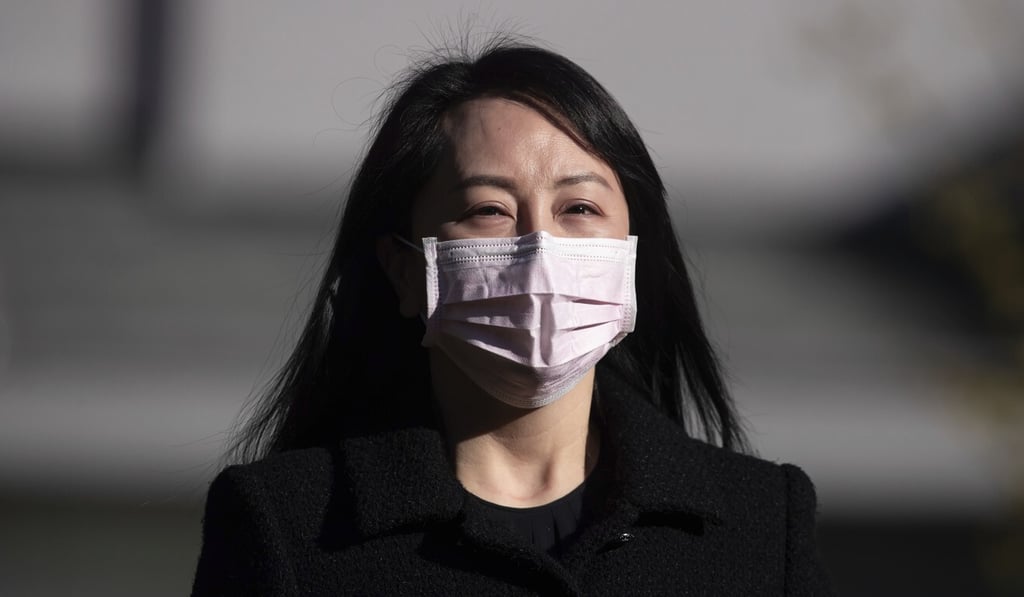
The United States has no right under international law to prosecute Huawei Technologies executive Meng Wanzhou for fraud because her alleged conduct has nothing to do with the US, her lawyers told a Canadian extradition hearing on Monday as they began a new line of argument to thwart her being sent for trial in New York.
Meng, arrested at Vancouver’s airport more than two years ago, is accused of defrauding HSBC by lying to the bank about its business in Iran, thus putting it at risk of breaching US sanctions – but her alleged conduct involved a 2013 meeting in a Hong Kong teahouse, Meng is a Chinese citizen, and HSBC is a British bank, her lawyer Gib van Ert said.
“United States laws do not apply in China,” said van Ert, and “if any laws were broken that day, that is a matter for China”. Canada had a duty to protect Meng from the US attempt to violate international law, he said.
In a written argument Meng’s lawyers said: “The Requesting State‘s prosecution of the Applicant violates CIL [customary international law] because CIL does not allow a state to criminalise the conduct of a non-national, outside that state, for representations made to another non-national, where there is no substantial and genuine connection to that state.
“In this case, there is no connection between the Applicant‘s alleged conduct and the Requesting State.”