To help narrow its chip gap, Beijing looks east to Taiwan
- Mainland China has stepped up its efforts to attract skilled tech workers as it aims for self-reliance in the semiconductor industry
- More career opportunities and better pay are key factors enticing skilled engineers to make the move

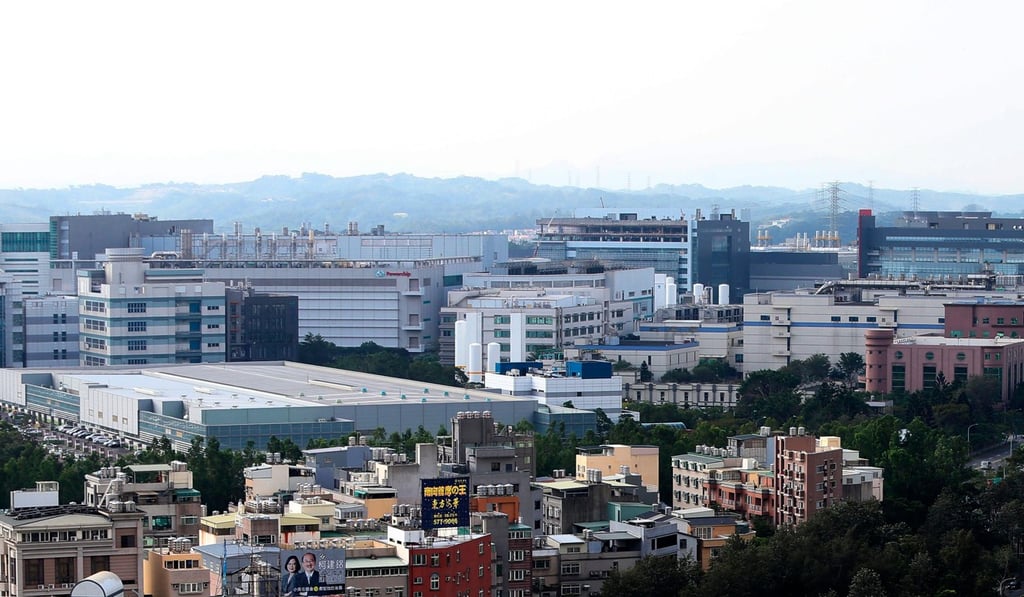
Like hundreds of thousands of tech workers in Taiwan, James Chen used to believe he would spend his whole career at Hsinchu Science Park, one of the world’s most significant centres for semiconductor manufacturing and the home of more than 400 companies.
But now, entering his sixth year working for a Chinese company in the mainland province of Guangdong, Chen said he had no plans to return to the island – even though the strategic competition between Beijing and Washington across a wide range of issues, including technology, had become increasingly intense.
There have been growing concerns that the year-long trade war with the US, as well as Washington’s threat to ban American suppliers from selling sophisticated chips to Huawei, China’s telecoms equipment giant, for national security reasons, would hamper the country’s ambitious investment in chip-making facilities and talent.
On Saturday at the G20 meeting in Japan, US President Donald Trump said he would allow Huawei to buy American products. But many observers worry that the rivalry with the US has delayed Beijing’s goal of domestically sourcing 40 per cent of all chips used by industry by 2020, and 70 per cent by 2025 under the Made in China 2025 plan.
Chen, a veteran engineer from Taiwan’s top-tier chip makers who is now in charge of setting up his own team for the company, said his decision not to return to the island was not difficult.