Could Philippines’ declining literacy affect its status as help desk hub?
A three-year review of the country’s education system shows that nine in 10 children cannot read and understand a simple text by age 10

Artificial intelligence is shaping up to be a huge disruptive force but another, more insidious problem is emerging – an education system that is producing graduates who were never properly taught to read in the first place.
Nestor Flores, the chief executive officer of Abba Personnel Services, a Philippines-based recruitment firm specialising in overseas placements, said the most noticeable gaps were in maths and English, particularly in comprehension, grammar and vocabulary.
“We administer a written exam as part of our hiring process. It’s essentially the same exam we’ve used for many years, yet it appears to be more difficult for applicants to pass today,” Flores said.
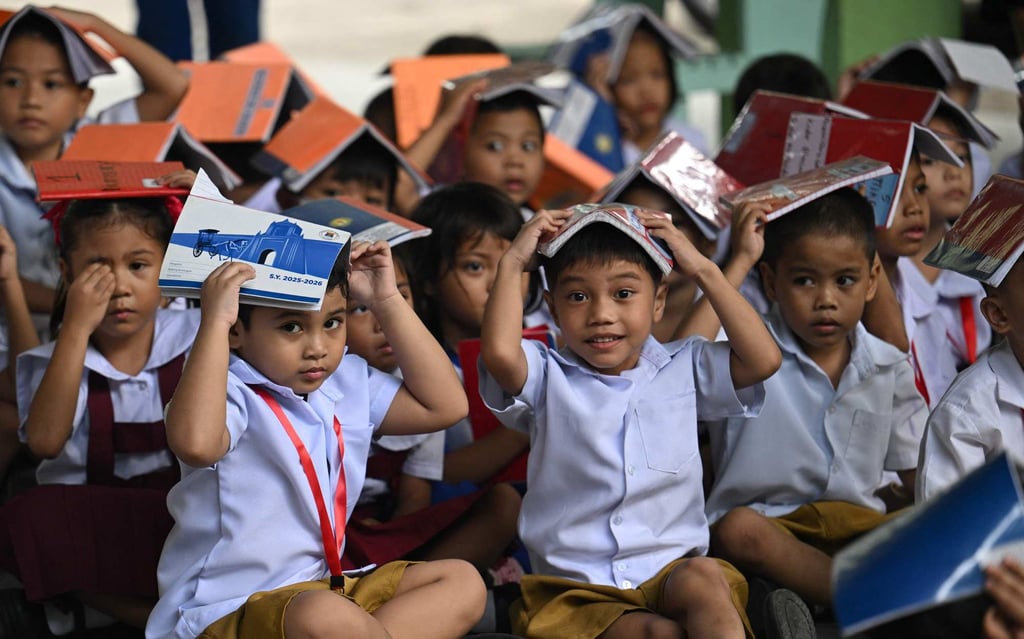
According to a three-year review of the country’s education system that culminated in January with the release of the Second Congressional Commission on Education report, nine in 10 Filipino children cannot read and understand a simple text by age 10. The failure persists throughout high school, leaving millions of students effectively functionally illiterate by the time they graduate.
It is an educational crisis that is already holding back the potential of the call centre-dominated outsourcing industry, according to Jack Madrid, president of the IT & Business Process Association of the Philippines.