65 horses head to Hong Kong: a glimpse into the logistics of transporting valuable animals
Cathay Cargo orchestrates a complex logistics operation to transport stars of the Hong Kong International Horse Show

Special in-flight menus and dedicated in-flight butlers: these were just some of the extras laid on for 65 of the world’s finest show-jumping horses, flying in for the inaugural Hong Kong International Horse Show, which took place earlier this year.
The show marked the return of a large-scale equestrian event to the city after a six-year gap. Cathay Cargo, the show’s official airline partner, managed the operation of bringing horses in from around the world – and most people attending the event remained blissfully unaware of the complex logistics required.
“This was going to be the largest consignment of horses we have ever moved on one flight,” said Christy Au, cargo duty officer for the cargo operation centre at the Cathay Cargo Terminal in Hong Kong.
The Hong Kong-based company is the only carrier in Asia to hold the International Air Transport Association (IATA) approved Center of Excellence for Independent Validators (CEIV) Live Animals accreditation. This certification is a testament to the quality of handling and transporting live animals, ensuring their safety and welfare.
Logistical challenge
Logistics planning began in late 2024, involving teamwork from across the Cathay teams in Hong Kong and Europe, including cargo planning and flight operations. To minimise stress and travel time for the horses, the team designated two rendezvous points for boarding: Liège Airport in Belgium, a hub for horses journeying from across Europe; and London Heathrow.
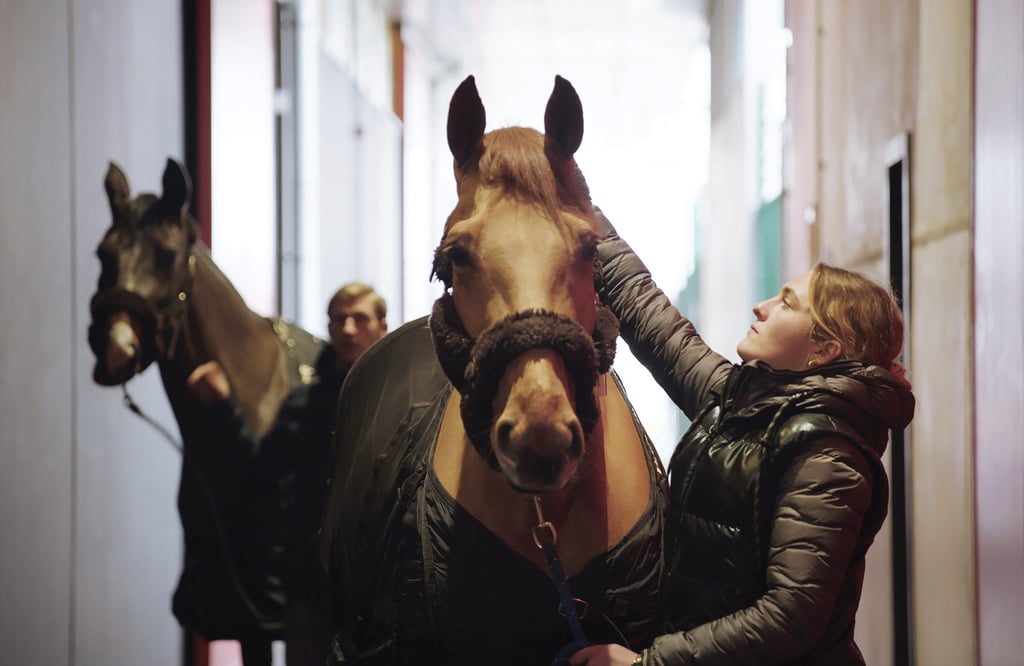
While Cathay Cargo operates to London, the Liège flight was a first. In addition to finding new suppliers and handlers in the city, an important aspect of the transfer was to ensure the welfare of the horses during their layover.
Jean Luc Py, Cathay Cargo’s area cargo manager for France and Benelux, was tasked with visiting Liège Airport’s dedicated handling facility – the Horse Inn – to make sure all was in order. He found it to be “a five-star retreat with expert staff completely focused on animal well-being”.
Contingency plans, including standby freighters, were prepared in advance for potentially disruptive events such as bad weather.
Flight ready
Ensuring suitable on-board conditions on the Boeing 747-8F – one of the largest aircraft in the world – was also a critical aspect of the operation. “We have a software model to see if the air-conditioning system is able to keep the main deck at an optimal range for the customer’s temperature requirements, bearing in mind that the temperature inside the stalls is warmer than the cabin’s ambient temperature,” says Cathay’s chief pilot, Boeing, Stu Baker, who piloted the charter flight from Liège. “We also needed to ensure there wasn’t an excessive carbon dioxide build up and that we could regulate the humidity to keep it comfortable.”
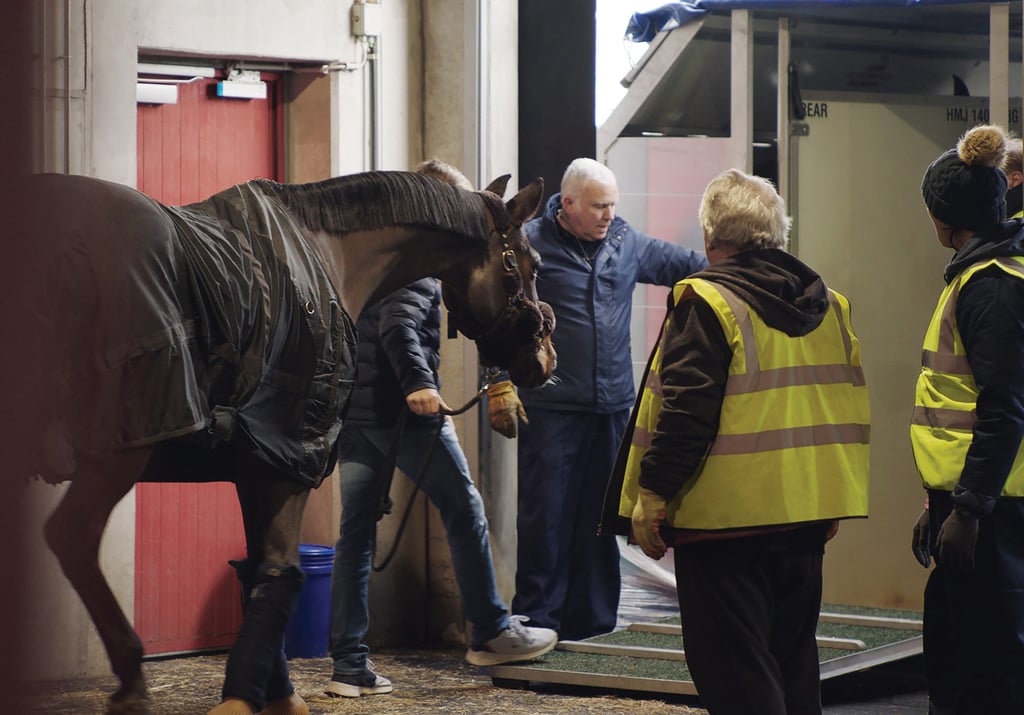
Before boarding, the horses were given preflight snacks and were walked to ensure they were in a relaxed state. During the flight, horses were housed in stalls, with plenty of hay and water on hand. Each flight carried four grooms, closely monitoring each horse during the journey. The first flight departed from Liège with 46 animals in 23 stalls. The second flight, carrying 19 horses in eight stalls, was due to leave London a few hours after the first, with the scheduling aimed at minimising waiting times on the tarmac.
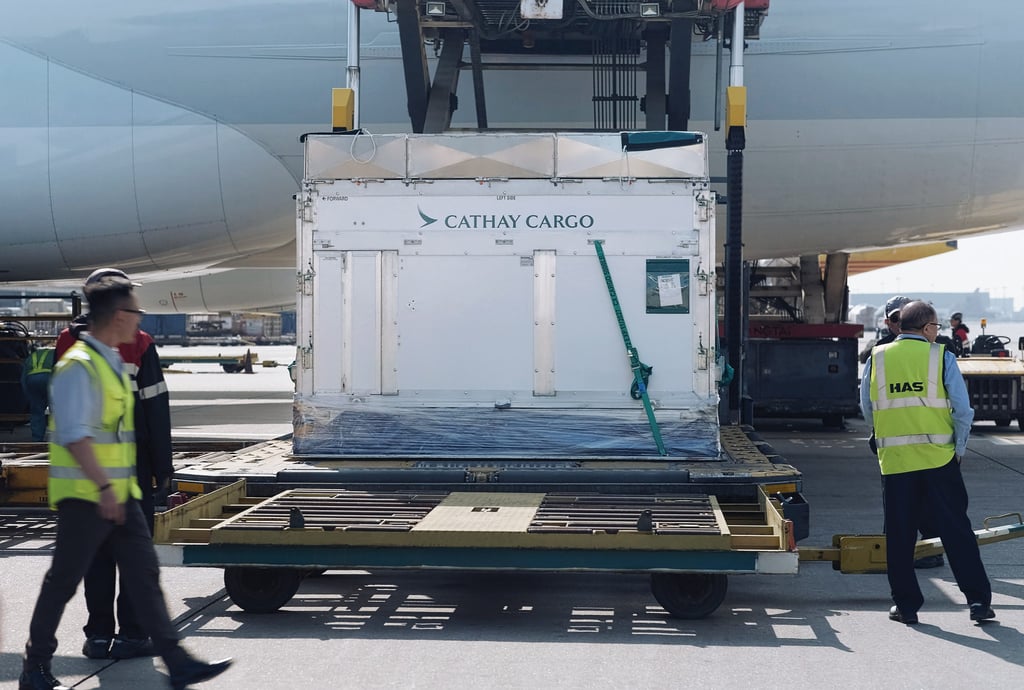
However, poor weather delayed the New York-Liège flight, resulting in both flights arriving at Hong Kong International Airport about the same time. Extra dollies and tugs were deployed to speed up the unloading process, with carpeted unloading platforms used to reduce shock and vibration. Horses arriving from London were led to the large animal reception room in the Cathay Cargo Terminal, where they could relax in a quiet, air-conditioned environment.
Thanks to meticulous planning, the entire unloading process at the airport took about two hours, minimising the horses’ waiting time in a noisy environment. A slower transit speed – reducing anxiety for the animals – helped the smooth transfer of all 65 horses to Asia World-Expo, the venue of the show.
Experts in the field
“The reason that Cathay is a world leader in animal livestock transportation is our experience in this field,” Baker says, citing the airline’s long-standing partnership with Hong Kong Jockey Club in carrying racehorses.
Cathay Cargo transports some 800 horses annually, prioritising their welfare and ensuring a stress-free journey. The success of an event such as the Hong Kong International Horse Show hinges not only on the timely arrival of the animals but also on their health and emotional well-being.
“We are proud to be the official airline partner of the Hong Kong International Horse Show as it makes its debut in Hong Kong,” Cathay’s director of cargo, Tom Owen said before the event. “We have flown in around 70 of the world’s finest sports horses based in Europe from Liège and London to Hong Kong, ensuring they were well taken care of and that they arrived in the best condition for their highly anticipated performances.”
With its dedicated live animal service, Cathay hopes to showcase the city’s capabilities in animal transportation, raising awareness of options available for travelling with animals and livestock.
“Part of the Cathay live animal solution is that elements can be customised to ensure that welfare is the top priority for our animal passengers, and this is backed up by our caring and knowledgeable teams across the network” says Siddhant Iyer, head of cargo global partnerships, Cathay Cargo. “The entire team really embodies our motto ‘We Know How’.”