Why it is critical for students and entrepreneurs to develop a positive, resilient mindset
Hong Kong’s Saint Too Bloom Academy says academic excellence and well-being are key to children’s long-term success and happiness

03:52
Saint Too Bloom Academy instils entrepreneurial mindset in students for the future
Entrepreneurship is now an increasingly important part of curriculums as schools try to prepare students for the fast-changing demands of higher education and the start of their working lives.
Teachers worldwide believe that nurturing an entrepreneurial spirit can better prepare students for the future and help them to develop skills such as critical thinking and problem-solving, and personal attributes like leadership abilities and resilience.
Education at Hong Kong’s Saint Too Bloom Academy, an innovation-focused secondary school which first opened its doors last August, is founded on its four core values – creativity, principled, contributing and balanced. It also proudly describes itself as the city’s “first school of entrepreneurship”.
This academic focus on entrepreneurship and applied learning programmes is designed to inspire students, says Renée Boey, its founder and principal, in the latest edition of EdTalk, the South China Morning Post’s recurring video series of interviews in which experts discuss pertinent issues surrounding education.
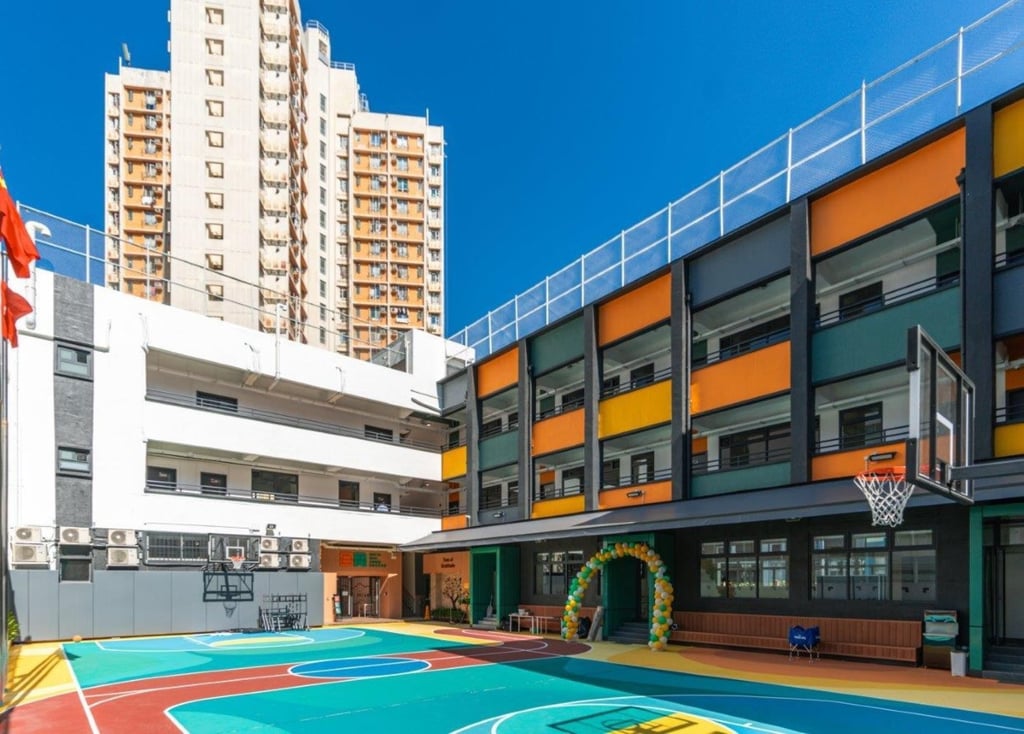
“The mission of our school is to cultivate compassionate creators and social innovators,” she says. “We see entrepreneurship as a life skill and a mindset. It is not just about learning how to build a business and creating profit. This is why, when there’s so much technological disruption going on, when the future feels volatile and uncertain, it’s so important to teach this.”
The school is located in Sham Shui Po, Kowloon, within walking distance of the bilingual primary school, Bloom KKCA Academy, which Boey and her team founded in August 2021.
Saint Too Bloom Academy follows the UK curriculum, taught mainly in English, starting with a two-year Key Stage 3 programme, in Grade 7 and 8, which covers subjects such as English language and English literature, mathematics, integrated science (including biology, chemistry and physics), humanities (including history and geography) and Mandarin. It aims to equip students with essential knowledge and skills that will help them through the transitional phase from primary to secondary education.
In Grade 9 and 10 it offers the International General Certificate of Secondary Education (IGCSE) programme, focused on the English Baccalaureate core subjects, which helps to develop students’ skills in creative thinking, inquiry and problem-solving, followed, in Grade 11 and 12, by its wide-ranging International A-level programme.
The school’s holistic, hands-on, real-world approach to learning includes industry internships and a strong STEAM (science, technology, engineering, the arts and mathematics) programme, which helps to encourage students to think creatively and explore different innovative solutions to problems.
“At Bloom, we respect each individual and look for ways to understand them, cultivate their talents and create the space, facilities and opportunities to do just that,” Boey says.
The school offers a dedicated makerspace for robotics, and 3D printing workshop areas where students can conduct hands-on activities and experiments, she says. It also has a creative media lab, where students can learn about multimedia communication and try their hand at news broadcasting, and a food technology laboratory, which was set up, in part, because of the many opportunities for food-related entrepreneurship in Hong Kong.
Additionally, teachers with relevant industry experience in the fields in which they specialise are also key to the success of the school’s academic and applied learning programmes.
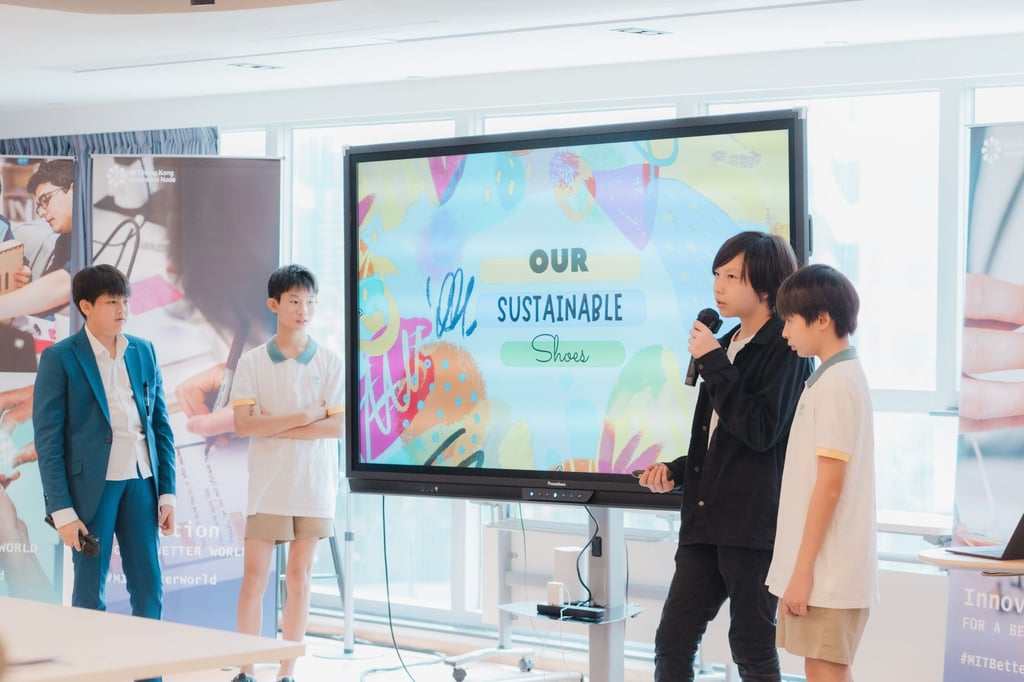
“For example, our STEM [science, technology, engineering and mathematics] head adviser has worked in Silicon Valley, and our director of digital innovation has experience in film and audio editing and game design,” Boey says. “They bring a lot of real-world expertise to the table. These experiences make it much more relevant and exciting for the students, too.”
Saint Too Bloom Academy also works with various organisations to enrich students’ learning experience, including Hong Kong’s CoCoon Foundation, an innovative education platform that empowers youths by developing their entrepreneurial mindsets.
“The CoCoon Foundation has a network of more than 200 companies,” Boey says. “We can tailor visits to some of these companies based on our students’ interests. During the visits, they get to interact with entrepreneurs, learn how they solve problems and collaborate with others.”
She says the partnership will soon expand to include “Future of Work Lab”, where staff from the platform will be based at the school to better understand how students learn and inspire them to explore their passions in business and technology.
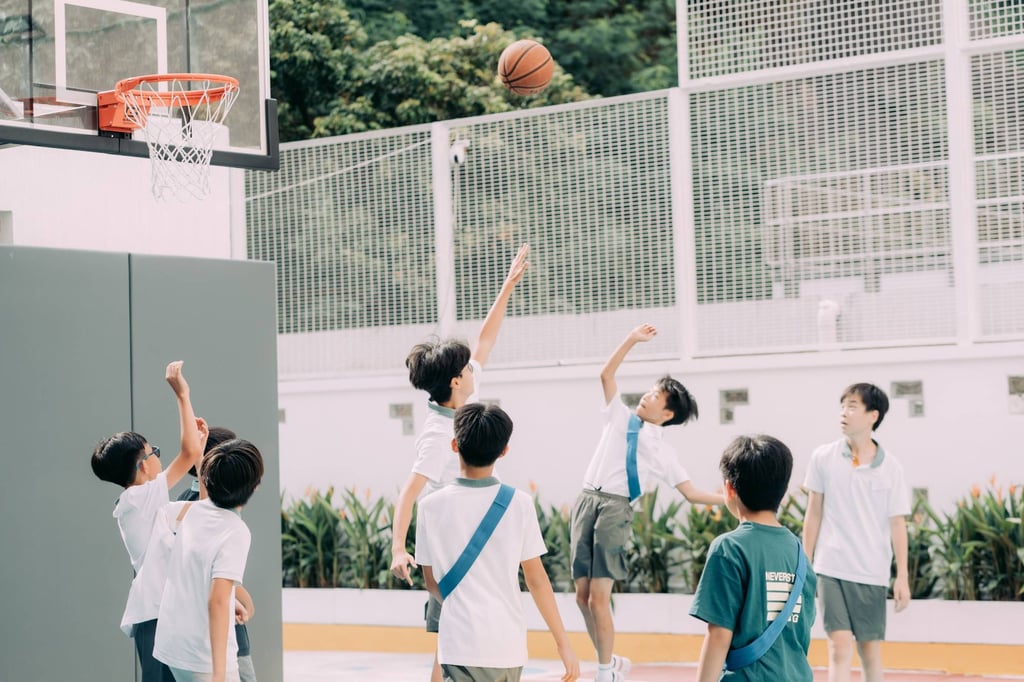
In addition to teaching students about emerging technologies, such as artificial intelligence – computer systems that can copy intelligent human behaviour – and executive function skills including time management, the school’s future-ready literacy and advisory programme also emphasises the importance of their physical and mental well-being to their long-term success and happiness.
“We teach students to understand their emotions and share with them tools that psychologists have developed to deal with anxiety and stress,” Boey says. “Developing a positive, resilient mindset is critical for entrepreneurs as well.
“It is important for students to learn how to handle failure, and getting parents to share their experiences helps with that. It is disappointing, but we move on and we keep learning. Having these tools can help them face the future.”