Advertisement
Advertisement
Advertisement
Luxury CEOs

How Remo Ruffini made Moncler a luxury powerhouse, from Grenoble to the Winter Olympics

STORYVincenzo La Torre
Remo Ruffini, the chairman of Moncler. Photo: Handout
Fashion

Known for its A-list collaborations, the brand has worked with everyone from A$AP Rocky and Pharrell Williams, to Jonathan Anderson and Rick Owens

When Remo Ruffini acquired Moncler in 2003, down jackets were utilitarian basics relegated to the back of the closet. Ruffini – back then an under-the-radar entrepreneur from a family in Como’s textile and clothing trade – has been single-handedly responsible for transforming a functional wardrobe staple into a de facto status symbol that is the clothing equivalent of a high-end handbag.

The current chairman and outgoing CEO of Moncler, Ruffini didn’t set out to build an empire when he took over the company, but very early on he saw great potential in the then sleepy French brand.
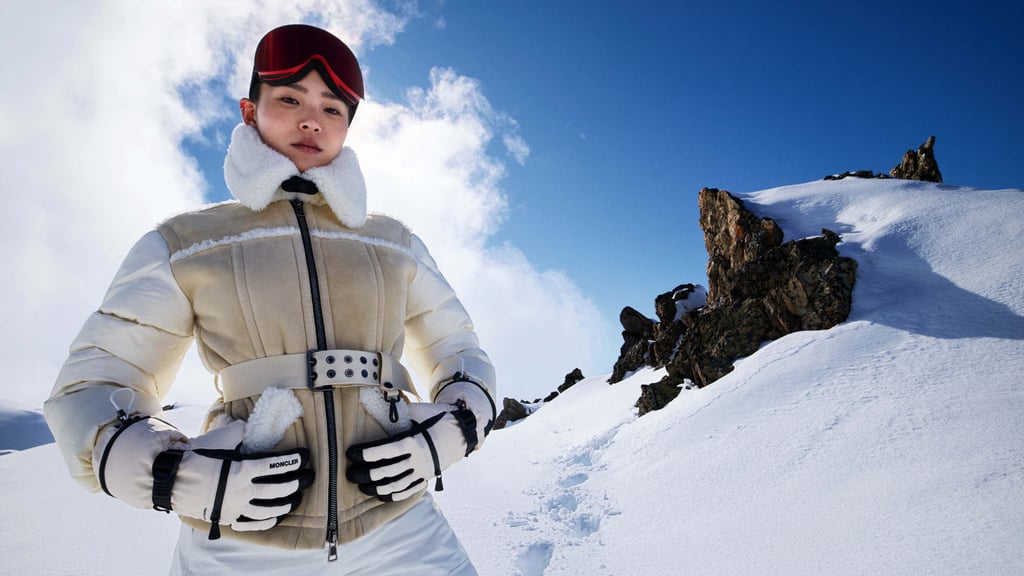
Under Remo Ruffini’s leadership, Moncler transformed the utilitarian basic that was the down jacket into the clothing equivalent of a high-end handbag. Photo: Handout
Advertisement

Established in 1952 in a village near Grenoble, at the foot of the French Alps, Moncler began life as a maker of gear for mountaineers. Not long after, the company started producing down jackets, and in 1968 it became the official supplier of the French downhill ski team at the Winter Olympics in Grenoble.
“It was less a strategy and more instinct,” says Ruffini in an interview in Aspen, Colorado, the day before the fall/winter 2026 show for Moncler Grenoble, the brand’s skiwear label, in late January. “I felt I had to position [the label] in a different way. I knew the brand well because as a teenager I would go to school on my moped, and wore a down jacket to protect myself from the cold. But I felt I had to change the approach, the quality and the positioning. I felt that the brand deserved more, so I started focusing on product and quality because without a great product, you can’t get anywhere.”
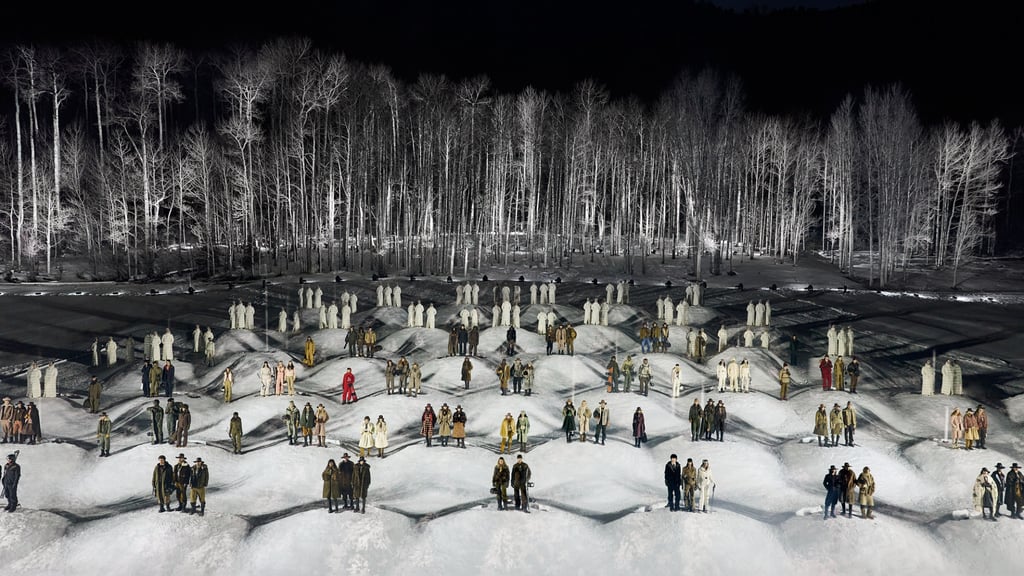
Moncler Grenoble recently presented its fall/winter 2026 collection in Aspen, Colorado. Photo: Handout

Ruffini delved deep into the maison’s archives and was fascinated by what he saw, especially the garments Moncler made in the 1950s, 60s and 70s. A true visionary, Ruffini is a product guy. He’s in his element when developing new fabrications and innovative techniques for Moncler outerwear pieces, from the chic coats for city dwellers from Moncler Collection, to the performance-driven kit of Moncler Grenoble and fashion-forward creations of Moncler Genius.
A serial collaborator, Ruffini began working with different creatives as soon as he took the reins. He estimates that he must have been involved in at least 100 such partnerships to date. Among his first collaborators were Japanese designer Junya Watanabe and French designer Nicolas Ghesquière, then of Balenciaga. It’s a unique strategy in an industry where pretty much every brand relies on a “creative director” to drive the entire vision.
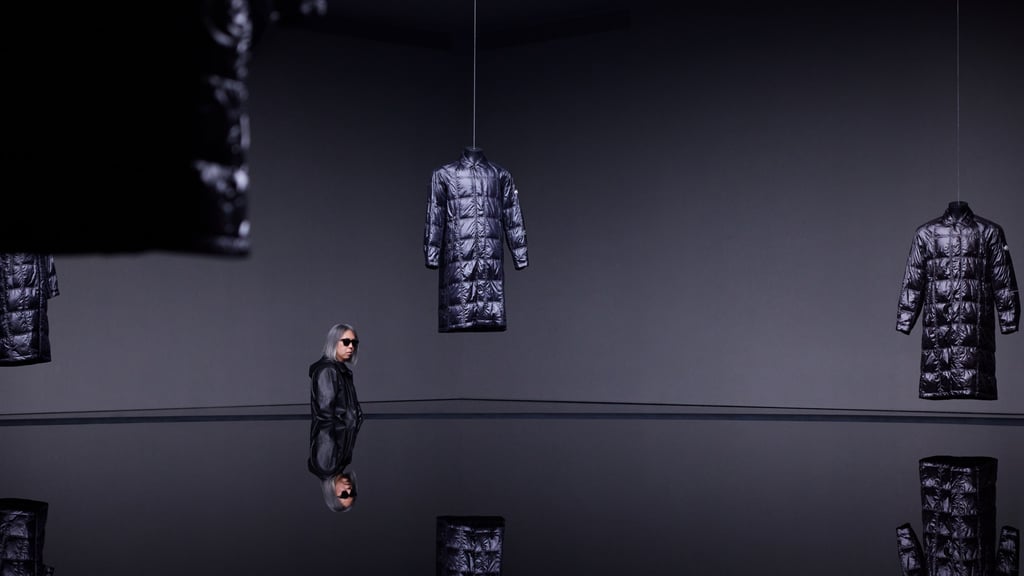
Hiroshi Fujiwara, founder of streetwear label Fragment Design and a long-time Moncler Genius collaborator, at The City of Genius event in Shanghai, in October 2024. Photo: Handout

“I’ve always tried not to have one creative director, and I’ve always worked with different creatives to trigger new emotions, and that was from day one,” Ruffini says. “That was the uniqueness of the brand – not to have a single creative director but many creatives within and outside the company to try to inject this energy that can be perceived as soon as you enter our stores.”

Unlike most luxury houses, which tend to target a specific demographic, Moncler caters to consumers of different ages and lifestyles. Walk around any major city on any given day, and as soon as the temperature drops, you’re likely to see everyone from five-year-olds to their grandmothers clad in Moncler coats, scarves and beanies in an effort to stay both warm and fashionable.

Select Voice
Select Speed
1.00x