From Kate Middleton’s wedding tiara to Russian royal jewels, 5 Cartier films that highlight the maison’s history

Starting with the history of its creative director Jeanne Toussaint, the new series explains Cartier’s history of making jewels for British and Russian royal families
Following the tremendous success of its short film L’Odyssée de Cartier in 2012, Cartier added another four creations to its cinematic portfolio. Released during this year’s Paris Couture Week, the four films travelled through time and countries to showcase the French maison’s footprint in the world. The fifth film is soon to be released.
Dubbed Jeanne Toussaint, la Panthère, the first “chapter” looks into the inspiring stories of the house’s first female design director, Toussaint. An icon herself, Toussaint was named creative director in 1933 and spearheaded the position until 1970. She invented the brand’s emblematic Panthère.
From being referred to by King Edward VII of Great Britain as “the jeweller of kings and the king of jewellers” to making Kate Middleton’s wedding tiara, the French brand has maintained a century-long relationship with the British monarchy. The brand is the only foreign jewellery maker to hold a royal warrant.
But the relationship extends far more than accessorising the royal household. The second chapter, Cartier & the British Touch, chronicles how Cartier has been historically influenced by each era of the English capital. Jacques Cartier, son of the founder Louis-François Cartier, oversaw the London branch for two decades, and his son Jean-Jacques captured the London unconformity in creating atypical-shaped timepieces.
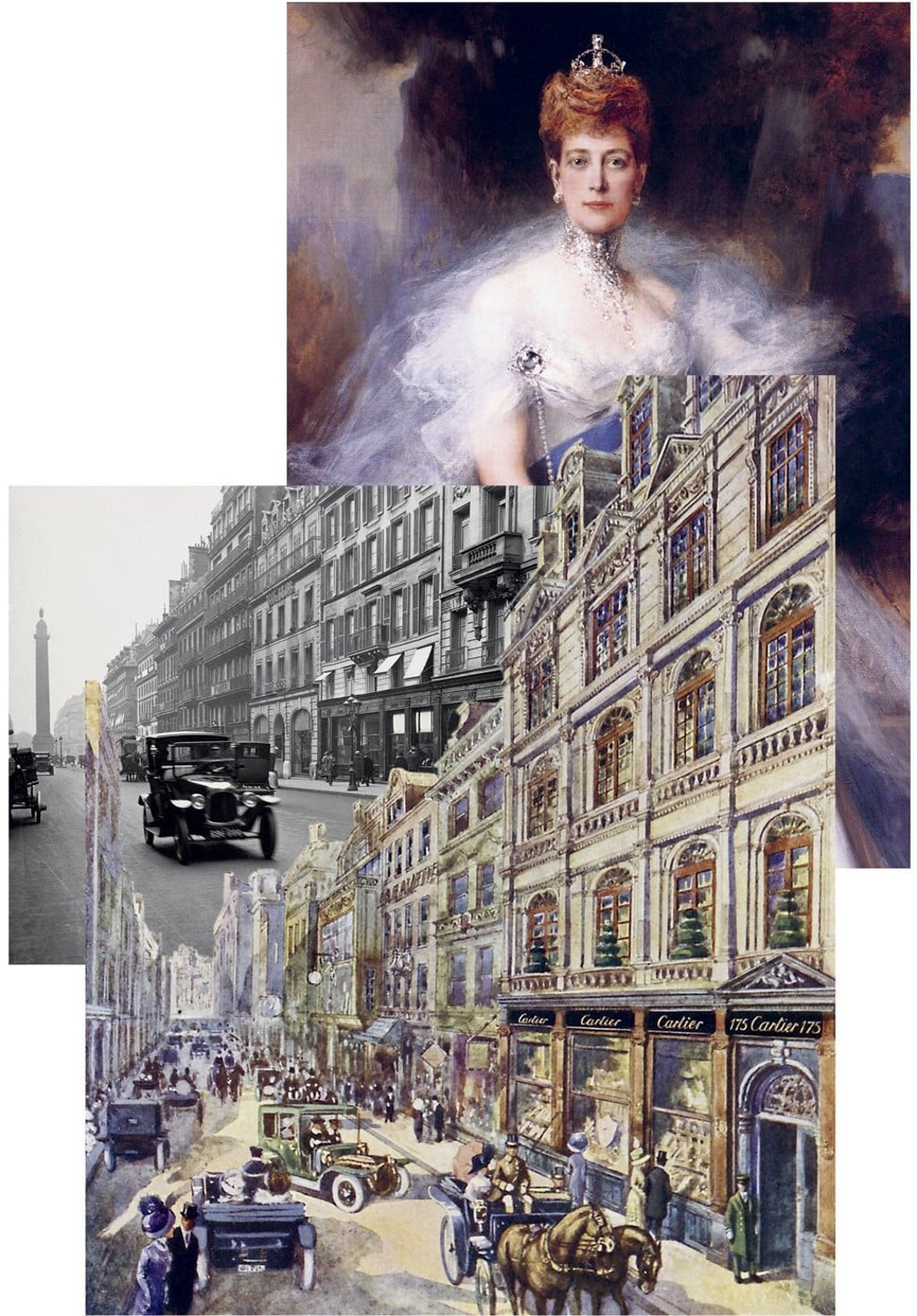
Cartier’s archive in London, as part of its museum trio including its Paris and New York stores, comprises some of the brand’s most treasured photographs and drawings. The brand’s red-jacketed New Bond Street boutique, housing the jeweller since 1909, has been renovated for a brand new look.

The third chapter, Cartier and the Russian Influences, travels to Russia, highlighting the links between the two. Becoming a licensed jewellery provider for Russia in 1907, Cartier has crafted pieces for Prince Saltykov and Grand Duchess Maria Pavlovna. In 1908 it opened a Russian boutique in St. Petersburg but closed the store soon after World War I. This year it opened again in St. Petersburg.
The Romanov bracelet – a historic piece transformed from a brooch once owned by the Empress Maria Feodorovna, set with a 197.80-carat cushion-shaped, rose-cut sapphire – shines in the Cartier shop in Russia.
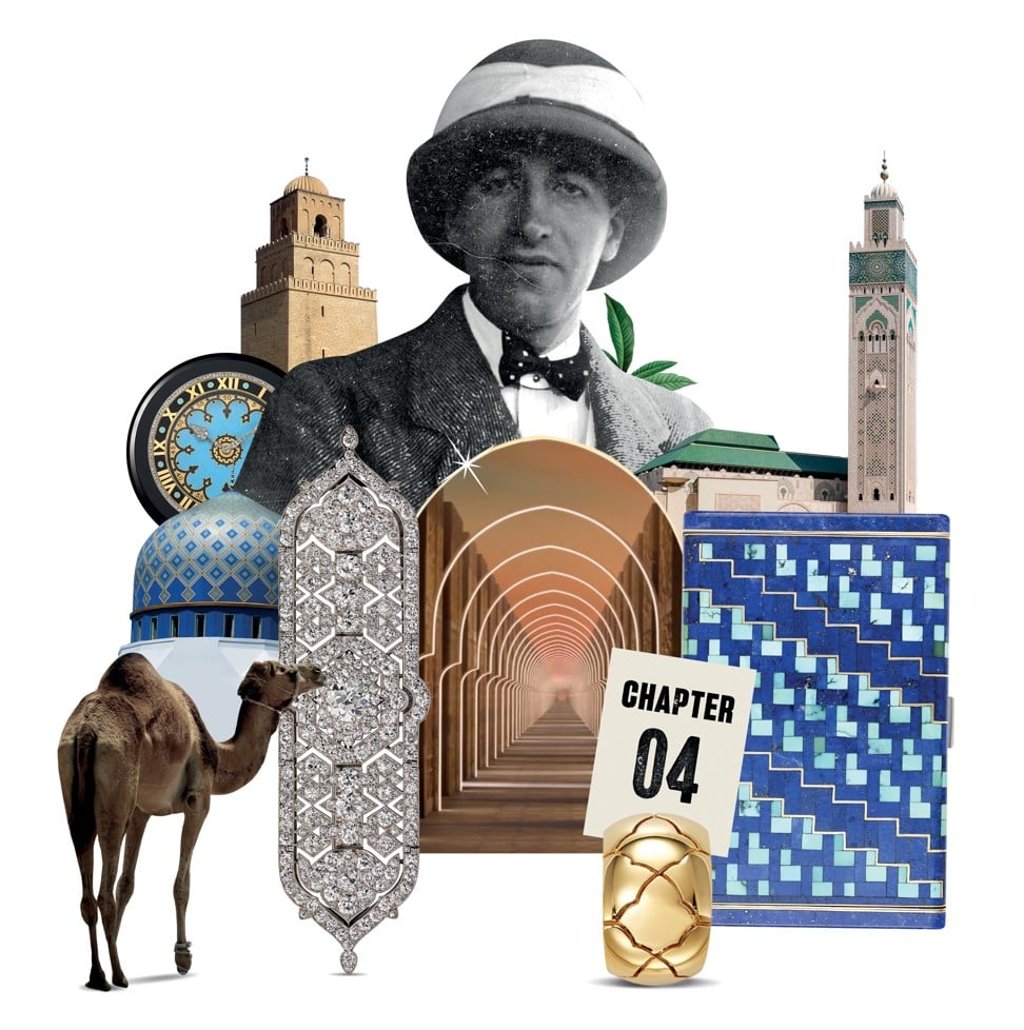
The final chapter, Cartier and the Road to the East, honours its ties to the Middle East, from the architecture inspirations to other Islamic motifs on its jewels.
“The L’Odyssée de Cartier series dives into the heart of Cartier’s style and eloquently shows what makes our iconic style more current than ever,” says Arnaud Carrez, director of marketing and communication for Cartier International.