Why Westerners misinterpret modern Chinese art – and how perceptions can be changed

Art collector Uli Sigg says Chinese artworks are often misinterpreted by the West
When West Kowloon’s M+ museum finally opens, perhaps towards the end of 2020, Uli Sigg hopes it will completely change the world’s idea of contemporary Chinese art. Sigg is a Swiss businessman, diplomat and art collector.
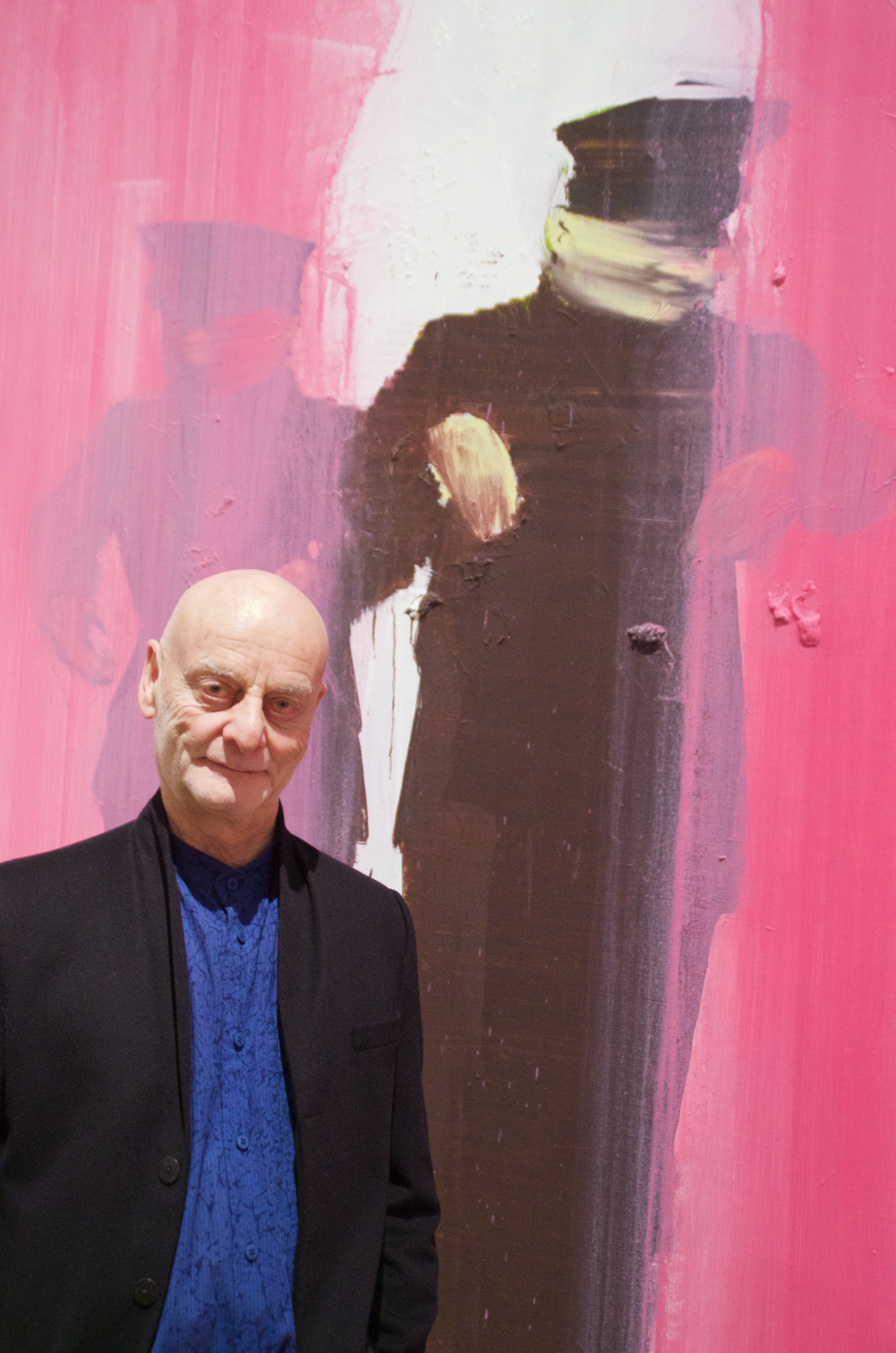
While around the world there have been several exhibitions of parts of his 2,500-piece collection – the world’s largest – Western curators have tended to choose items for display according to their own preconceptions about China. They have a particular penchant for the political, such as the period of pop art from the 80s and 90s, which deliberately took aim at Mao Zedong and his legacy.
“A Western curator will always prefer a work that has to do with human rights and not understand a work that deals in a patient way or even a spectacular way with calligraphy, because he doesn’t know [it],” says Sigg.
But there’s much more to contemporary Chinese art than politics, and the 1,510 works from his collection that will appear at M+ will paint a broader picture.
Sigg is at Vienna’s stately Austrian Museum of Applied Arts/Contemporary Art (MAK) for the opening of “Chinese Whispers”, a show of around 110 works from his collection. These are mostly items acquired since the 2012 donation to M+.
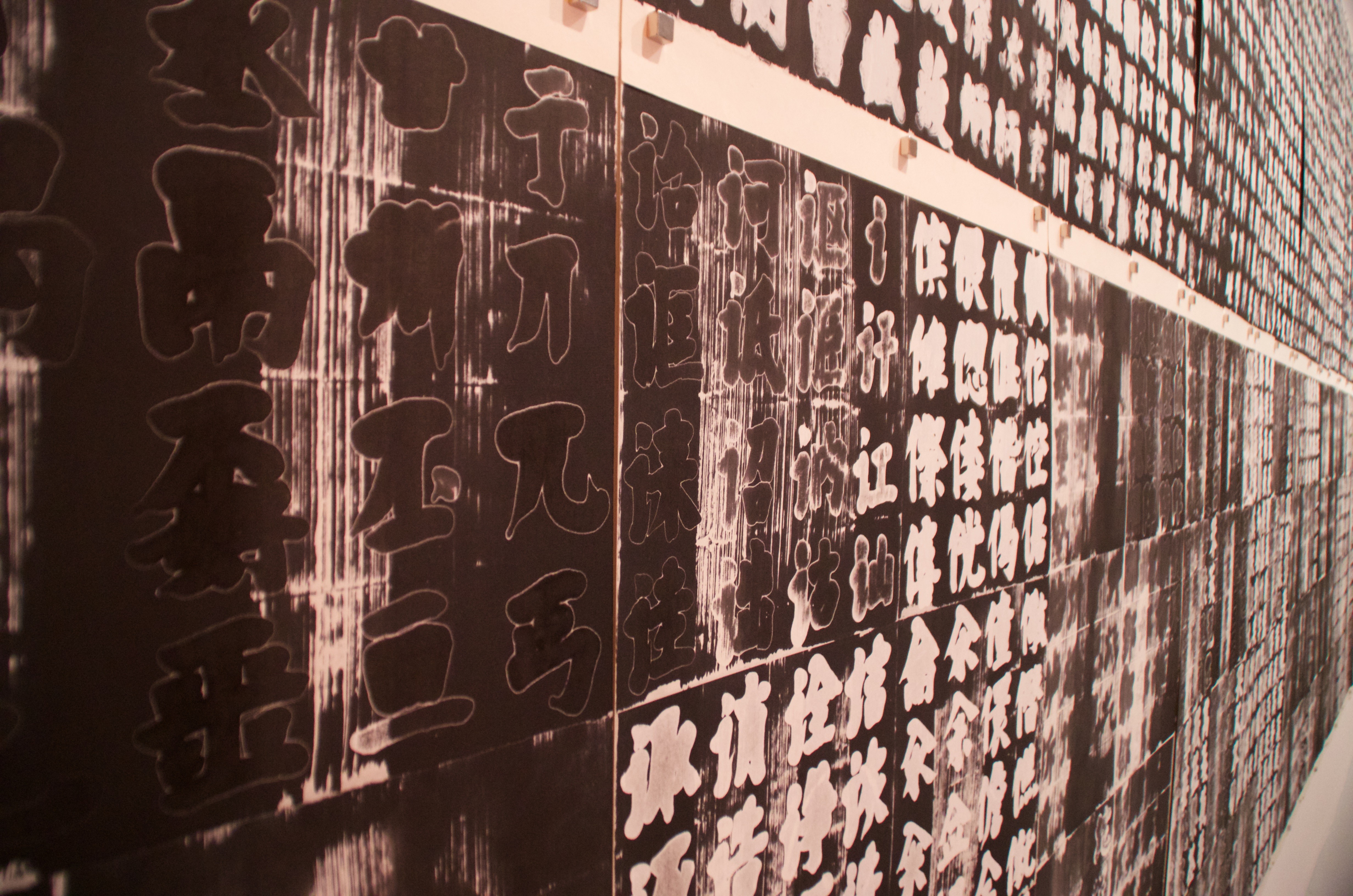
The show’s title may be cringingly obvious, but he believes it is entirely appropriate. It is a perfect metaphor for the gap between Chinese artists’ intentions and Western understanding.
“I see it here [in the West] with the curating. I read the wall texts they write and it’s something else than what the artist in the context aspired to do. So it’s a good metaphor because it’s a fact: something else comes out.”