Why Lemaire’s quiet luxury is making waves, from Paris to Shanghai

The French fashion house redefines everyday elegance with globally influential designs, epitomised by the unique Croissant bag
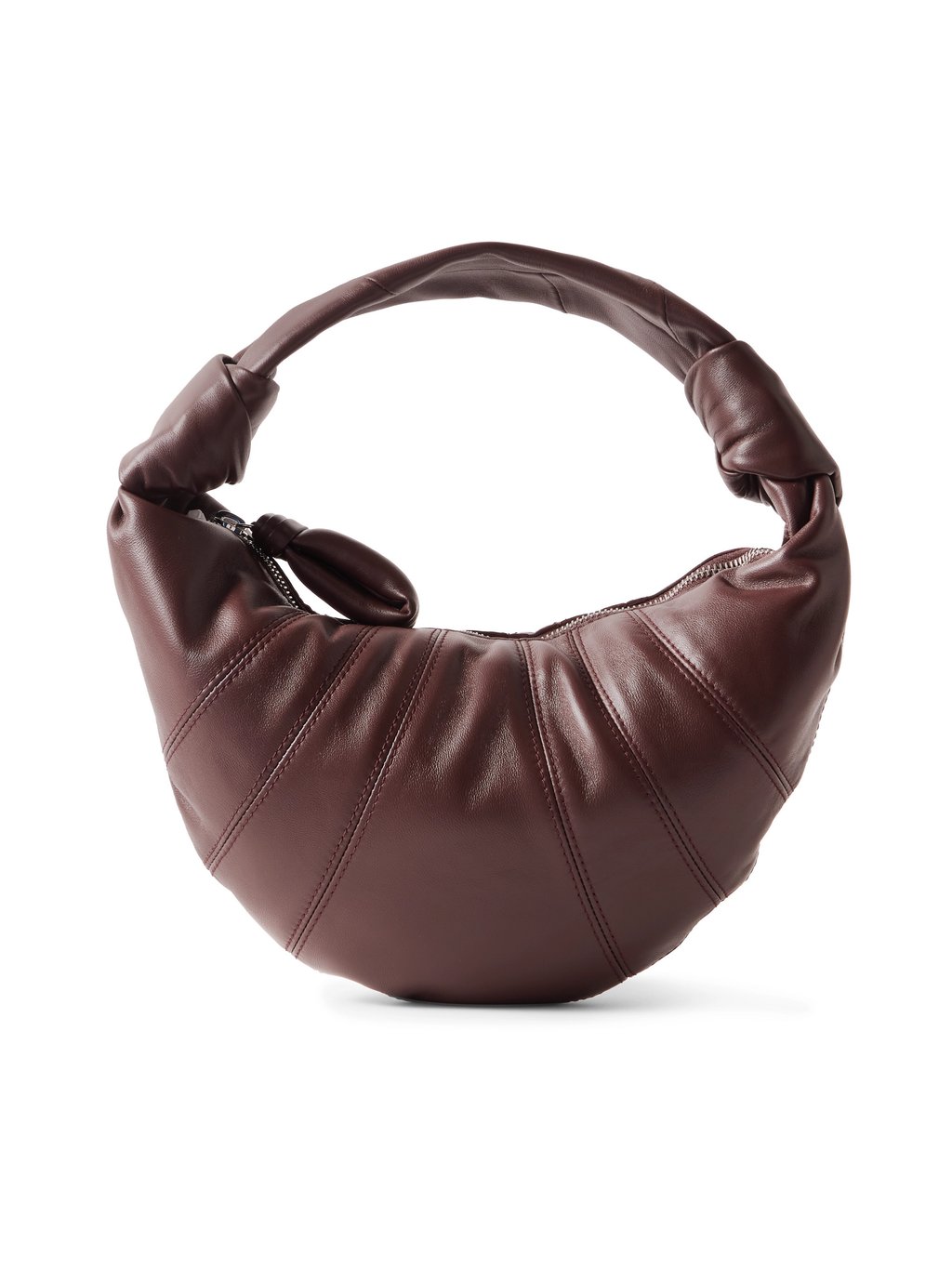
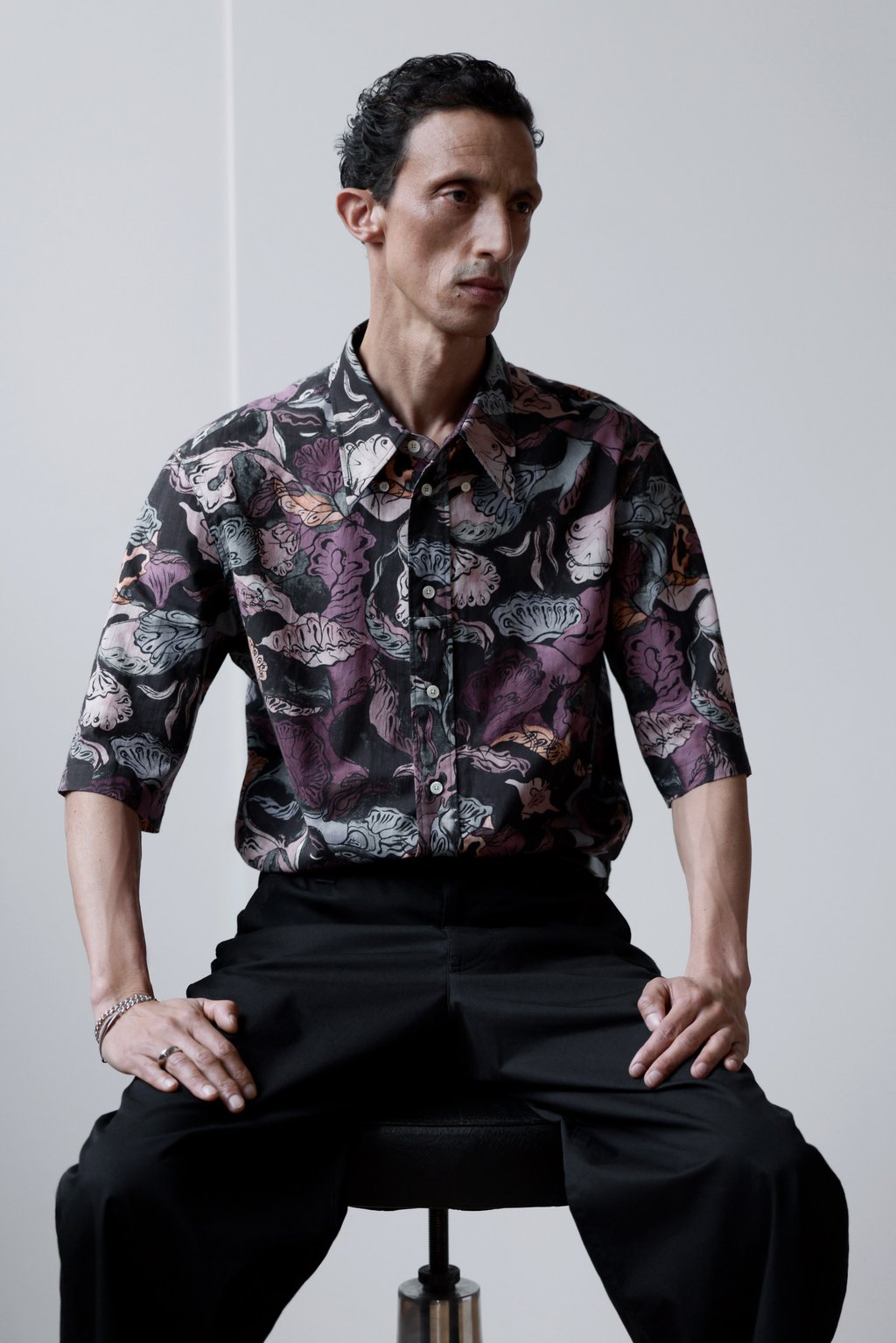
There is a specific “Lemaire person” currently walking the pavements of Paris. From his studio window near a university, Christophe Lemaire sees them pass every morning: academics in crisp poplin, and creatives in oversized blousons and balloon-legged denim with the inevitable crescent-shaped bag slung across their chest.
“It may not even be Lemaire they are wearing,” the eponymous designer notes with quiet pride, “but you can feel the style is influenced by us. That is very gratifying.”
This speaks to the success of the independent French label co-helmed by Lemaire and Sarah-Linh Tran – as well as its paradox. For a label that shuns the traditional levers of fashion business, releasing collections that prioritise consistent DNA over newness, Lemaire has become remarkably, even reluctantly, ubiquitous.
There have been growing pains: the label recently met friction in China, when a campaign for its new Objets Senteur line was withdrawn from social media after users drew links to forced queue-cutting during the Qing dynasty, prompting the brand to publish an apology. Nonetheless, in an industry obsessed with “quiet luxury”, the designers have managed to achieve a genuinely influential vernacular.
The numbers back this up. Just over five years after Uniqlo owner Fast Retailing bought a minority share of the business in 2018 (the duo already led the brand’s R&D centre and designed Uniqlo’s popular U range), Lemaire’s sales exceeded €100 million (around US$116 million) in 2024, according to Business of Fashion. Yet, true to their media-shy reputation, the designers are less interested in the balance sheet and more in what they call the “dialectic”.
The brand’s recent expansion into China – marked by months-old stores in Shanghai’s former French Concession and Beijing’s Sanlitun, after landing in Chengdu in 2024 – is less a calculated corporate land grab and more, Lemaire says, their heeding to kairos: the ancient Greek notion of seizing the opportune, fleeting moment.
“We aren’t crazy about business plans,” Lemaire says. “Honestly, we would have preferred not to do it so closely together … it just so happened that we had two great opportunities in Shanghai and Beijing and said, ‘OK, let’s go.’” Lemaire and Tran aren’t following the traditional road map, they’re here to design a world they want to live in.
In Shanghai, the Lemaire store is housed in a 1930s residence designed by the architect Dong Dayou (1899-1973). Spanning three floors, the space feels less like a boutique and more like the home of a tasteful, slightly eccentric collector. There are Enzo Mari stools, Carla Venosta furniture, shelves of books curated by Lemaire and Tran in collaboration with art book platform Jiazazhi, and it is all interspersed with vintage pieces sourced from local Chinese markets.