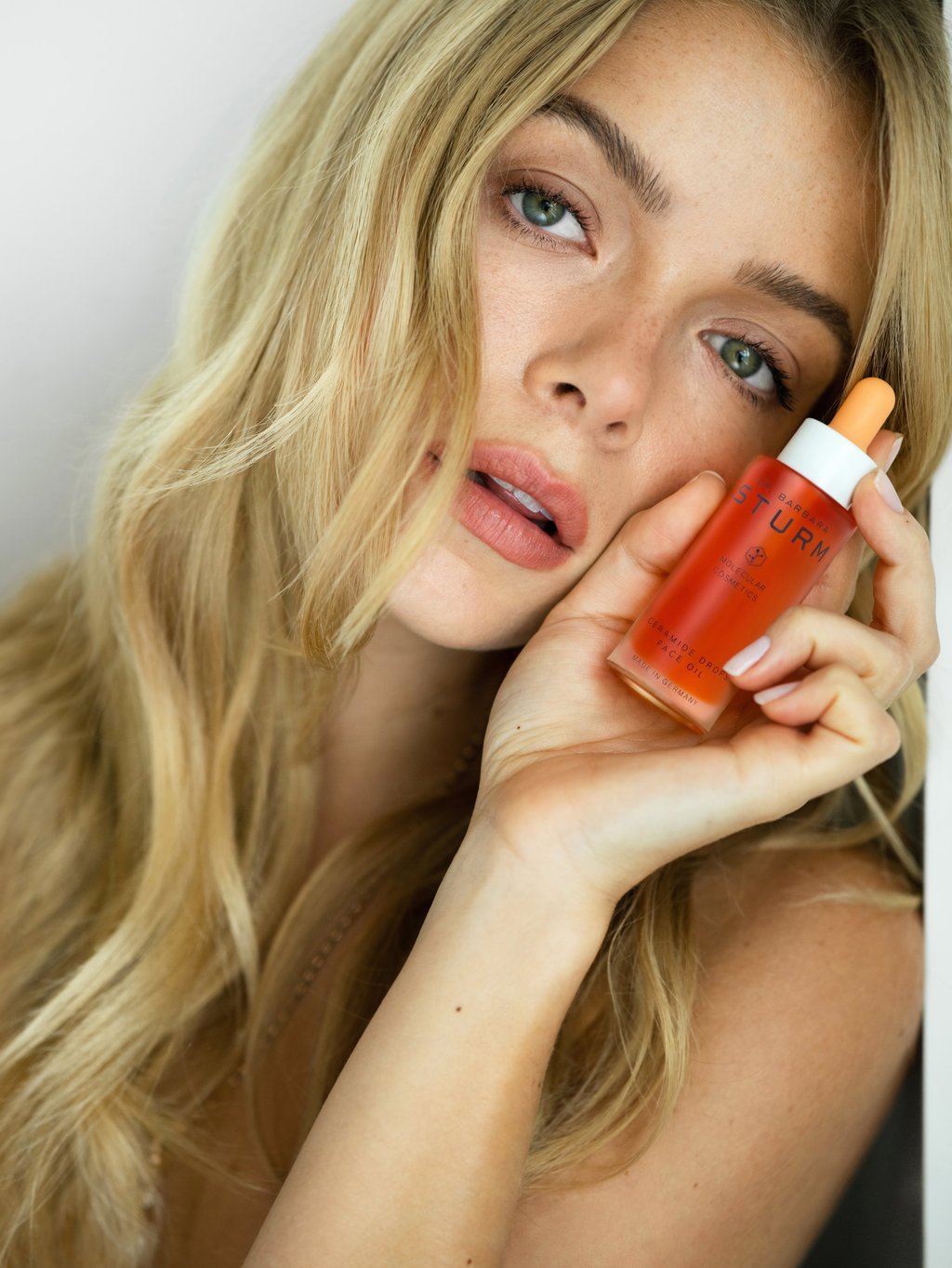
The truth about face oils, which have been part of beauty regimens since ancient Egypt

Experts say these oils balance your skin and reduce inflammation – celebrities like Princess Kate, Jennifer Aniston and Gwyneth Paltrow agree
Love or hate them, face oils have a long history and date back to ancient Egypt and Rome, where plant-based varieties like castor, sesame and olive were used for skincare, bathing and even in religious rituals.
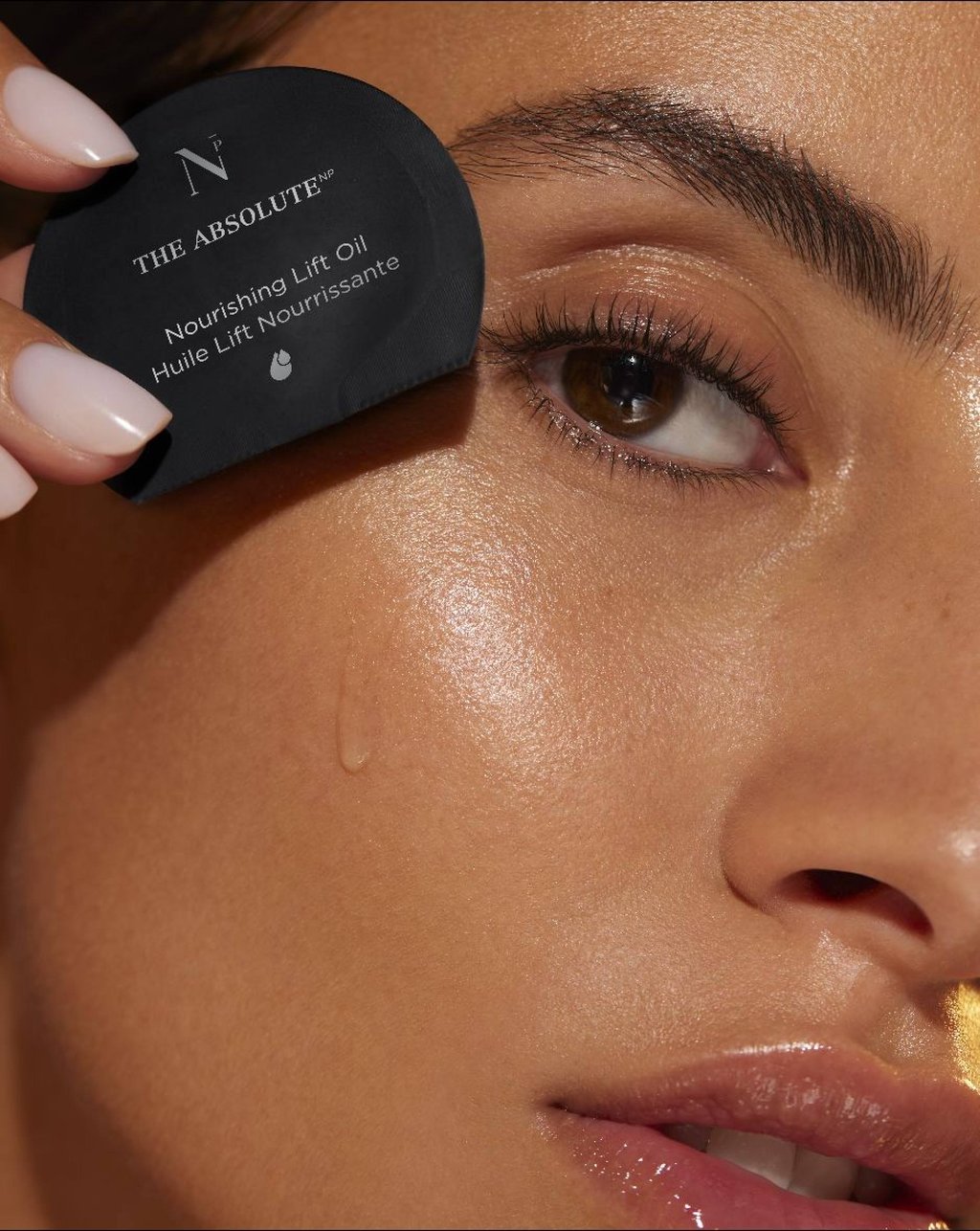
Why is it, then, that face oils still have a bad reputation despite having played a fundamental role in beauty arsenals for centuries?
“People assume they’ll clog pores, make you break out or replace your moisturiser – and none of that is universally true,” says Dr Mamina Turegano, a dermatologist based in New Orleans.
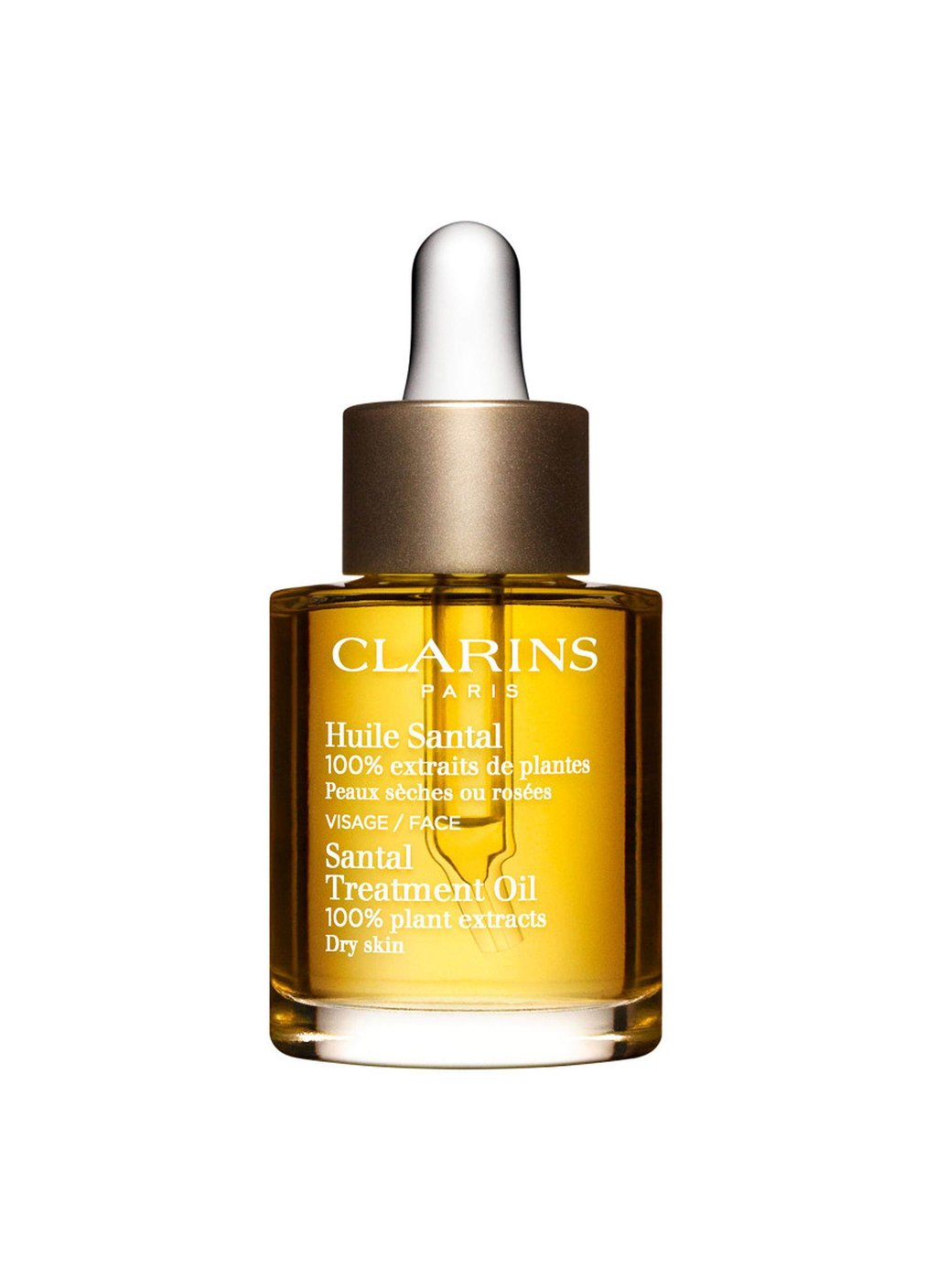
The truth of the matter is that most oils cannot be taken at face value (pardon the pun). While most may feel soothing upon application, they are not designed to hydrate. Instead, their main purpose is to seal in moisture and create a protective physical barrier that prevents water from evaporating from the skin. As such, selecting the right oil can be extremely personal depending on your skin type and other factors.
“Not all oils behave the same on the skin. Their performance depends on the purity and quality of the raw material, the method of extraction and the synergistic actives infused within the formulation. When these elements are aligned, oils can deliver highly bioavailable nourishment and enhance overall skin function,” explains Nick Irani, co-founder of skincare brand Subtle Energies.