Destinations knownIndonesia’s animal attractions slammed, and why you should think twice about wildlife tourism
Animal cruelty in Indonesia exposed, and the dos and don’ts of wildlife tourism

For as long as there have been tourists in Asia, there has been wildlife tourism. Broadly defined as travel that revolves around or includes observation of and interaction with a country’s flora and fauna, conservation charity World Animal Protection (WAP) estimates that “wildlife tourist attractions” constitute between 20 and 40 per cent of global tourism, citing statistics provided by the United Nations’ World Tourism Organisation and the World Bank.
Certainly, animal encounters can make for some of the most memorable moments experienced abroad. Unfortunately, the well-being of these creatures is not always guaranteed.
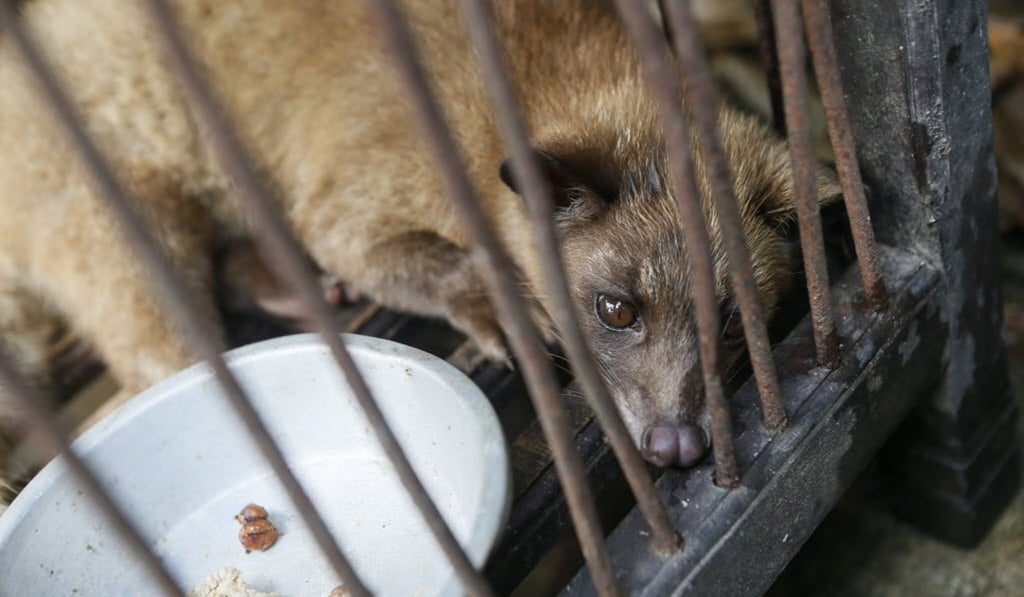
A report into wildlife tourist attractions on the Indonesian islands of Bali, Gili Trawangan and Lombok published by WAP last week found that of the 26 places surveyed, not a single one met even the basic needs of the animals in its care, which include elephants, tigers, dolphins, civet cats and primates.
Senior campaign manager for WAP, Ben Pearson, told Australian news portal news.com.au, “The most concerning thing about these findings is that all venues are inadequate. At least with countries like Thailand, we can say, ‘Yes go to this one, but don’t go to this venue.’”