
Language Matters | Where ‘plastic’ came from, its crafty origins and how it became the dirty word it is today
- Plastic is the bane of modern existence – synonymous with pollution, litter and ecological damage
- For a word that also came to mean cheap and artificial its origins were noble, in sculpture and art; biologists, meanwhile, use it to describe adaptability

Plastic has become a dirty word. The images it conjures up are of plastic bags, bottles and straws. “Single-use plastic” and “plastic pollution” are frequently collocated words.
While microplastics were in the mid-20th century the domain of material sciences, this breakdown of plastic into potentially toxic waste in oceans is part of the 21st century’s vocabulary. There has been increased momentum around issues of one’s plastic footprint, as seen in global initiatives such as Plastic Bag Free Day – falling on July 3 – and Plastic Free July.
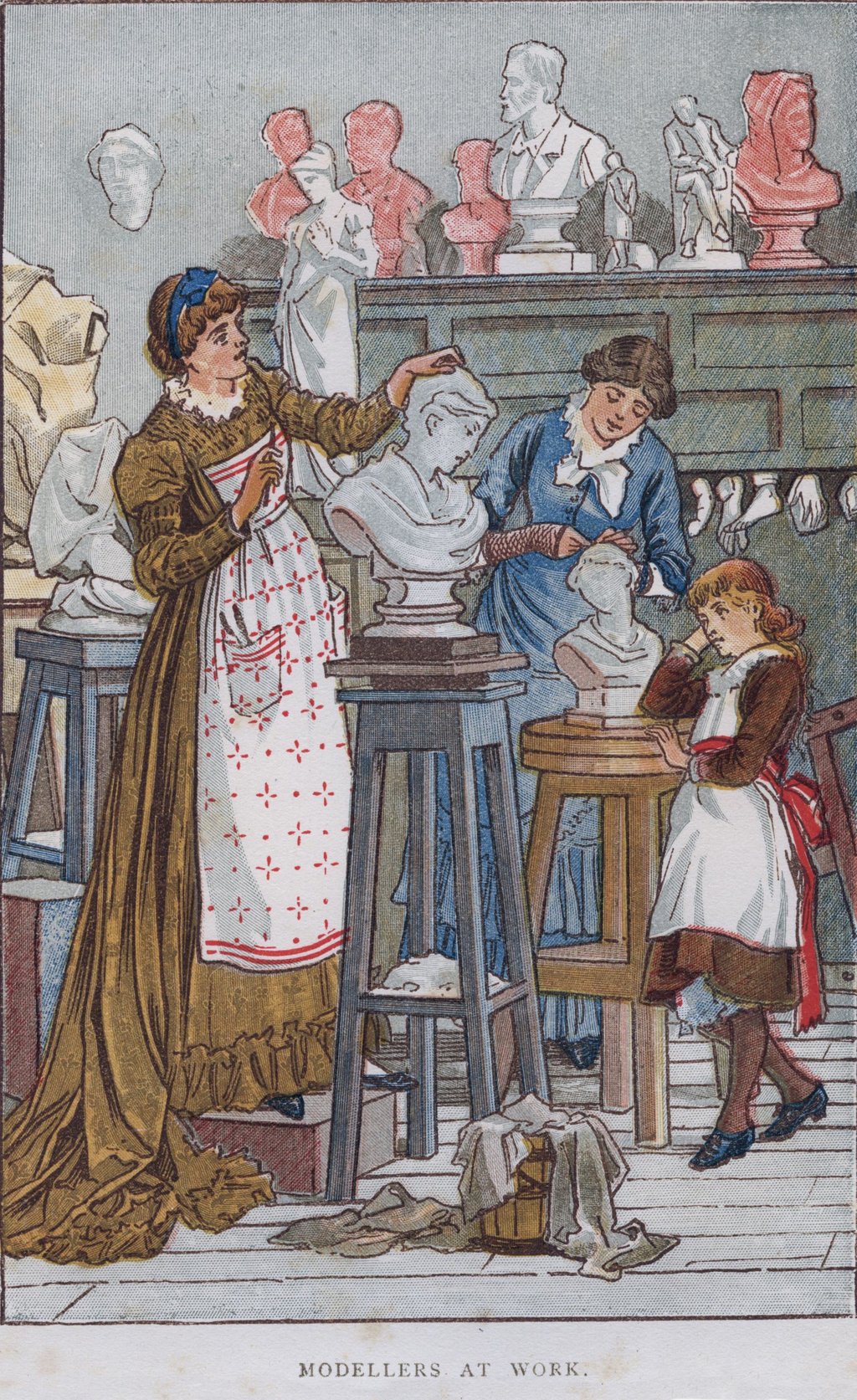
The word “plastic” used to mean something quite different, however. It entered English in the late 1500s as plasticke from the Italian (la) plastica (scultura), and the Latin plasticē, plasticus – the art of modelling or sculpting figures, especially in clay or wax. These derived from the ancient Greek πλαστική, πλαστικός, ultimately from πλάσσειν plassein, meaning “to mould, form”.
One of the few domains where this original meaning of plastic is preserved is in biology. Here, it relates to an adaptability to environmental changes, or the ability to alter neural connections of the brain as a result of experience or learning. One can consider protoplasm or certain plant species or synapses to be extremely plastic.
The word was also used figuratively in the 17th to 19th centuries, in relation to generating or adapting non-material, aesthetic or intellectual ideas or concepts, for example, the plastic energy of the imagination.