Advertisement

ReflectionsPrincess Mako’s marriage to her ‘commoner’ fiancé - what Chinese history can teach us about it, from men who had to walk behind their wives to princesses who kept male harems
- Is there anything worse than being a commoner married to a princess? In ancient China, royal consorts had it tough, needing to request to see their wives
- During the Tang dynasty, many princesses publicly cuckolded their husbands by keeping harems of male lovers; only later did the tables turn
2-MIN READ2-MIN

Barring any unforeseen circumstances, Japan’s Princess Mako will marry her fiancé Kei Komuro later this month. The princess is the eldest daughter of Crown Prince Akishino, the younger brother of the emperor.
As she will lose her title and membership in the imperial family after she marries her “commoner” fiancé, media focus has zeroed in on Mako’s postnuptial life. Less attention has been paid to how Komuro will “cope” as the husband of the princess.
It is something that many people can only dream of, but if we really think about it, is there anything worse for a non-royal man or woman than being wedded to royalty? Apart from the constant media intrusion, their royal in-laws, as well as their supercilious hangers-on, would be a nightmare.
Advertisement
It is therefore understandable that the couple have said they would live in the United States after their marriage.
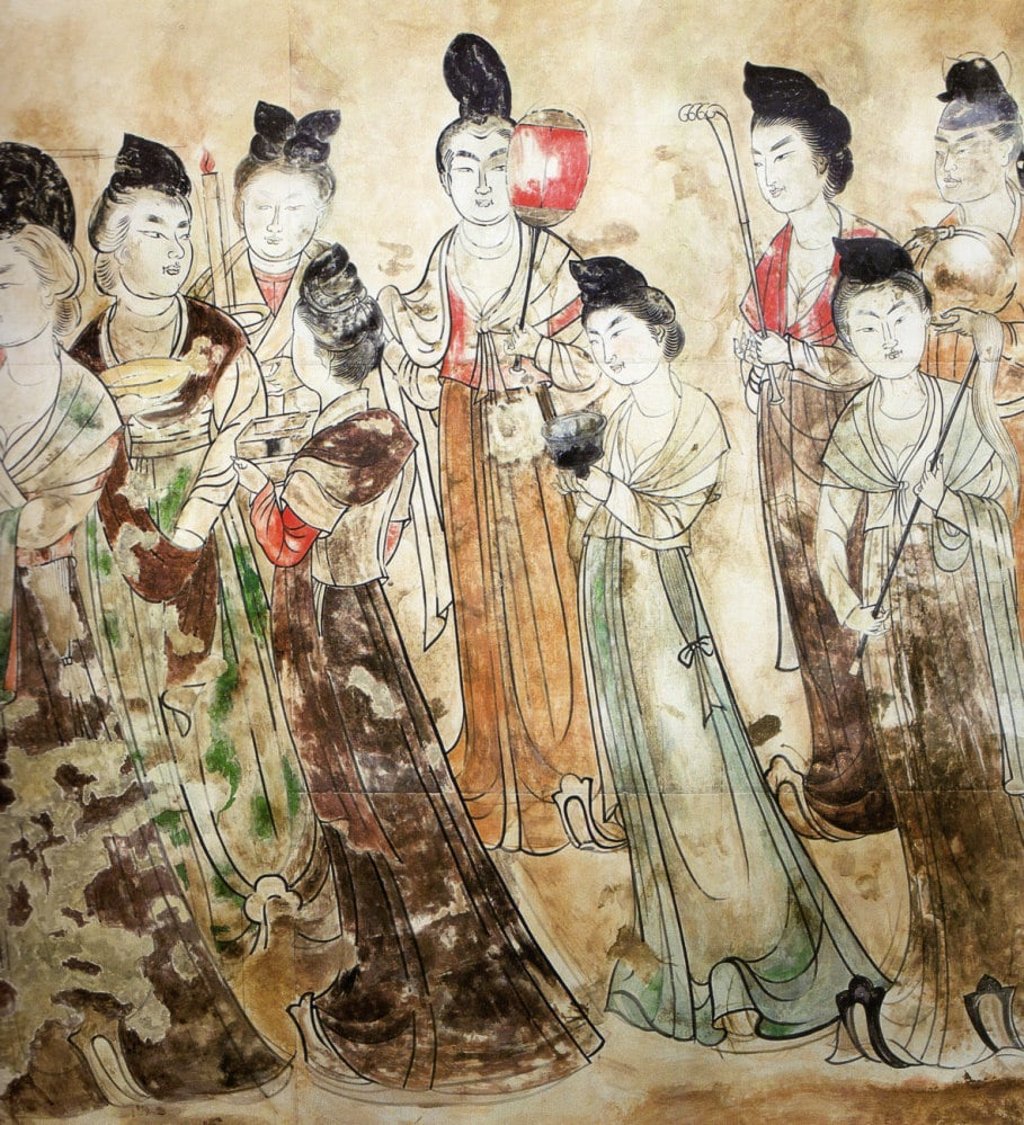
In imperial China, a princess’ consort was known as fuma, or in full, fuma duwei, which was the commander of the reserve horses accompanying a carriage. Originally an honorary title conferred on the emperor’s son-in-law, fuma became a word that meant the husband of a princess by the early 400s.
Advertisement
Advertisement
Select Voice
Select Speed
1.00x