
Then & NowDoggerel verse was once Hong Kong’s most popular form of poetry, allowing for the expression of emotional truths
- One of the more talented writers was Shamus A’Rabbitt, an American mining engineer who spent decades in China and Japan
- Volumes of his verse were illustrated by the White Russian artist Sapajou

Everyday life in Hong Kong, and elsewhere in treaty port-era China, has inspired writers since its mid-19th century beginnings. Doggerel verse – of varying standards – was always the most popular poetry form. This mode allowed more profound observations and emotional truths some safe expression; higher sentiments openly displayed, in resolutely mercantile societies, were often defensively dismissed.
Doggerel appealed to the local readership. The generally lighthearted verses were easy to remember and repeat without much effort at a dinner table, golf match, launch party or around the club bar. Gently humorous without sounding too clever or sharp-edged, heartfelt emotion could also be intermittently expressed, without the risk of being “wet”.
Talented writers within this genre came and went, but one of the most popular was Shamus A’Rabbitt, the nom de plume of James Aloysius Rabbitt (1877-1969), an American mining engineer who spent decades in China and Japan. As with other doggerel poets, Rudyard Kipling was an evident influence on Rabbitt’s rhythm and metre.
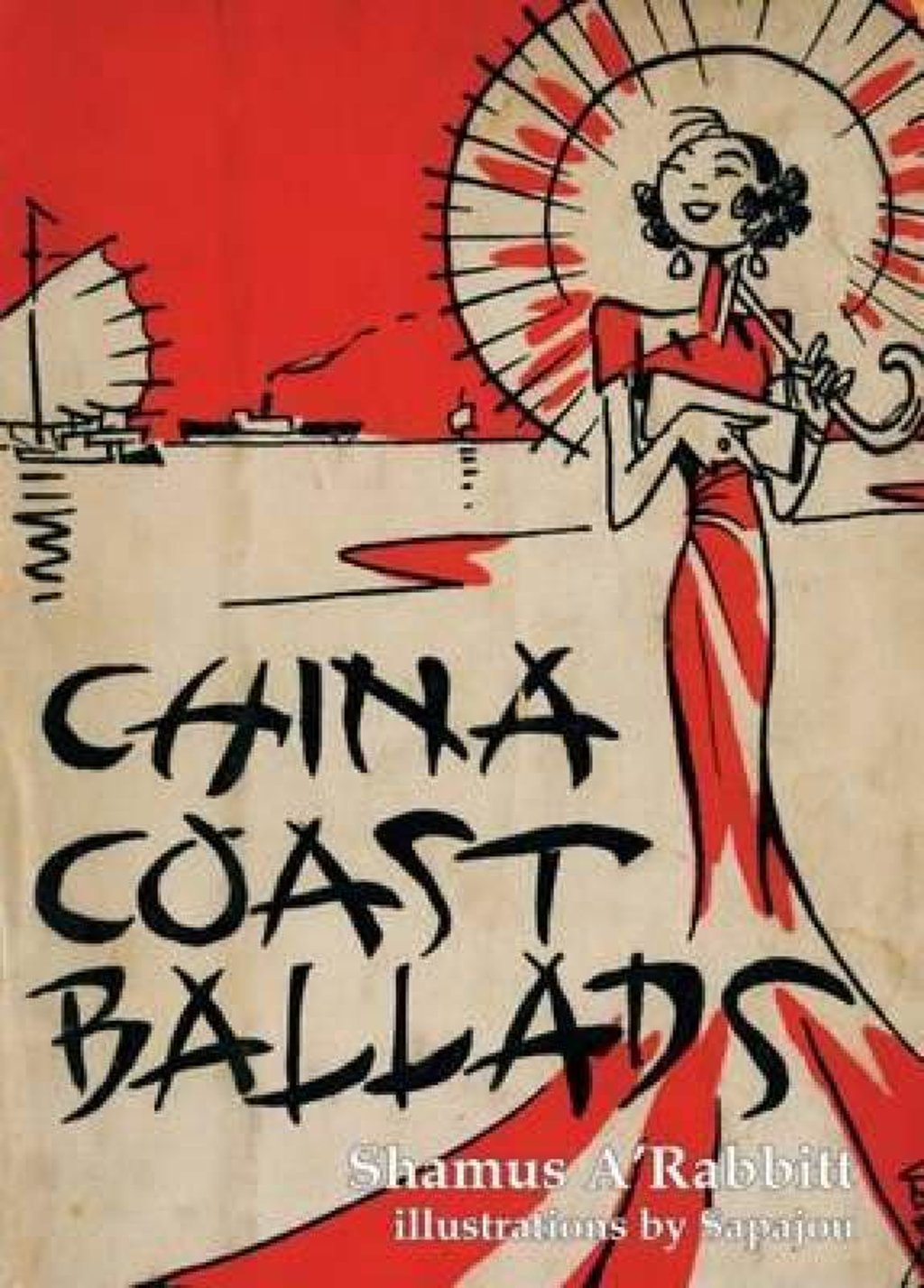
Ballads of the East (1937) and China Coast Ballads (1938) were bestselling compilations of Rabbitt’s verse, although most poems had already appeared in The China Mail, Japan Times, South China Morning Post and other regional newspapers and periodicals. Without a published compendium, most of these poems – like other daily journalism around the world – would have disappeared soon after publication, along with their author.
Various China coast locations found themselves the subject of his pen, and Hong Kong features regularly. The Mystic City (1938) is one example.