
Then & NowWhat the decor of colonial era houses in Asia said about their residents
- A sense of impermanence pervaded colonial life in tropical Asia
- This was reflected in interior decor and dress choices

With the passage of time, living memory inexorably dims, and certain terms develop contemporary usages in stark contrast to those observed in earlier times. This trend is especially noticeable with lifestyle journalists in search of easily digestible clichés.
Thus, “colonial elegance” is shorthand for a long-past, heavily reimagined world of rattan furniture, potted palms and steadily rotating ceiling fans, populated by glamorous women in backless evening gowns and men in white dinner jackets, dancing gracefully to a swing orchestra, under a glorious tropical moon.
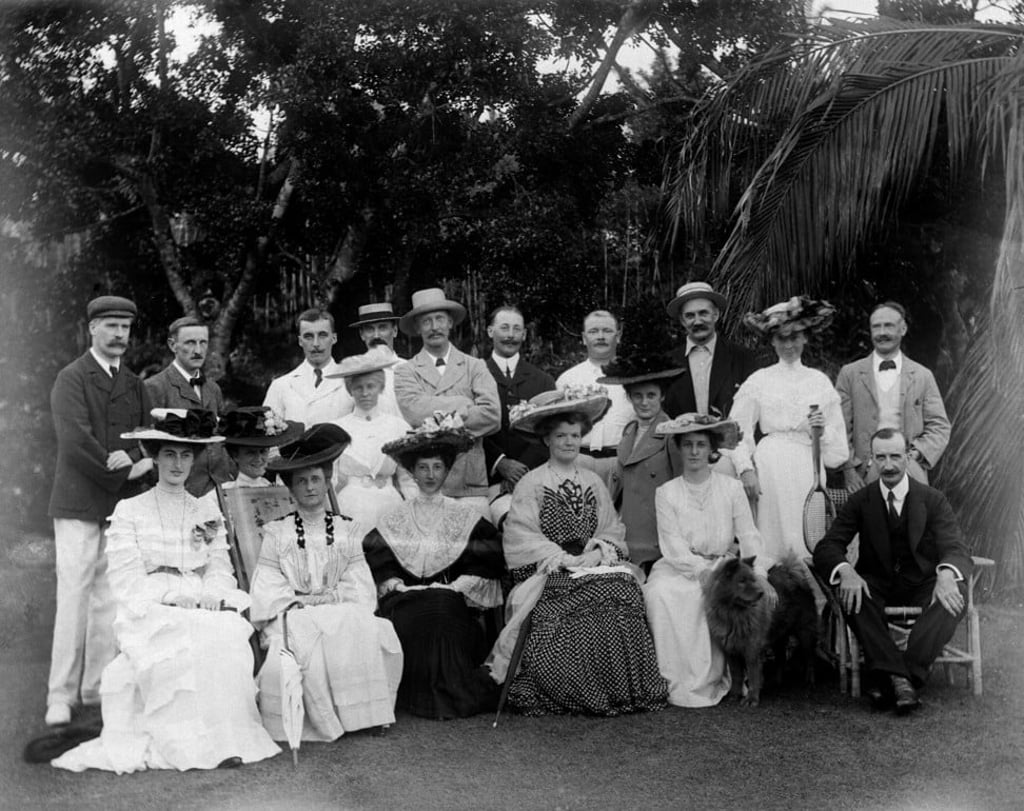
But were colonial life’s daily realities anything like this – whether in Hong Kong or elsewhere in Asia? As numerous period memoirs and novels make plain, clothes typically worn by both sexes were mostly locally procured, dowdy, lightweight versions of garments worn in temperate climates; serviceable, rather than sophisticated.
Wash cottons and linens predominated, the better to survive constant laundering. Higher quality garments brought out from Europe were kept for club nights in the cool weather, often whiffed strongly of mothballs after several months packed into a tin trunk, and were usually at least a few seasons out of date.
A similar situation prevailed with interior decor. Loosely fitted slip covers, made from cretonne, glazed chintz and other durable-yet-decorative fabrics, paired with matching cushions, helped personalise otherwise bland, Public Works Department designed furniture. Most importantly, these items were washable; even with ceiling, table and wall-mounted electric fans, chair seats and backs became unpleasantly sweat-soaked.
As most colonial residences came with the job – and were more a succession of medium-term habitations than actual homes – fresh sets of inexpensive soft furnishings helped mark the years between long leaves, regional postings and eventual retirement somewhere far away. Much like the people that used them, such fittings were durable, functional and readily interchangeable in any government or corporate staff quarters from Kuala Lumpur to Yuen Long.