Language MattersPancake Day: what ‘carnival’ once meant and the origins of ‘shrove’
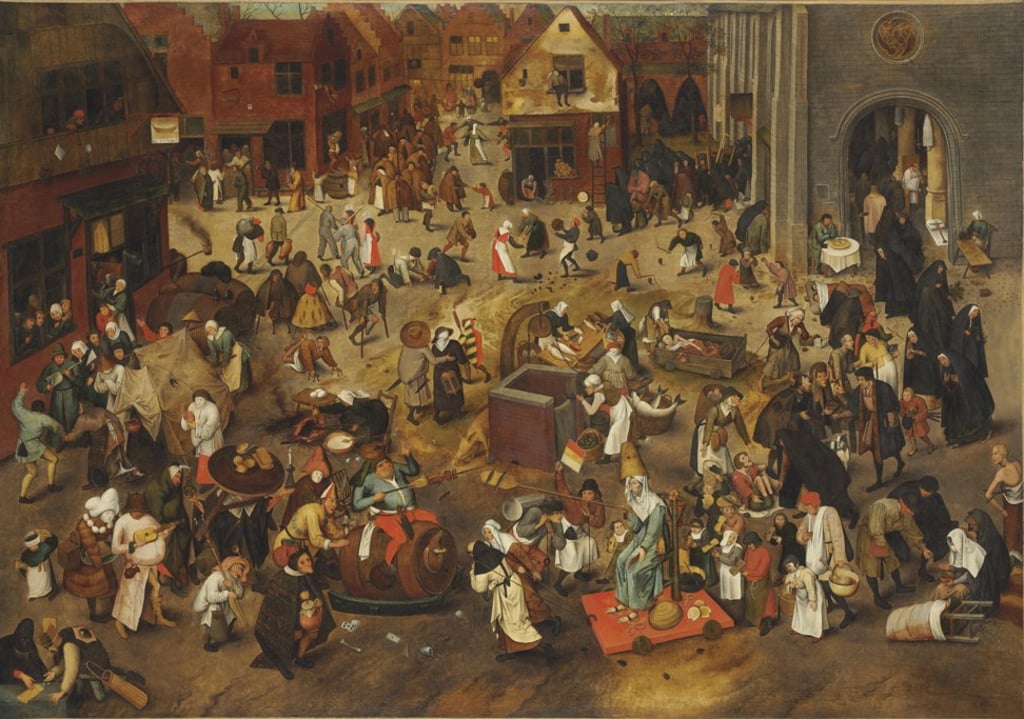
Mardi Gras, another name for Shrove Tuesday, reflects the tradition of consuming rich, fatty foods before Lent

Shrove Tuesday – also known as Pancake Day, and falling on March 5 this year – is the day preceding Ash Wednesday, which marks the start of Lent. “Shrove” comes from the archaic verb “shrive” (“to hear or take confession”; Christians confess their sins to a priest before Lent). “Shrive” comes from the Old English “scrífan” (“to allot, decree, impose a penance”), the roots of which go further back to an early Germanic borrowing of the Latin “scrībere” (“to write”).
The first attestation of scrífan is in a late-eighth-century cleric’s penitential handbook – a schriftboc (“shrift book”) – which codified for priests different sins and prescribed their penances, and it is this sense development from “write” to “impose penance” that is found in English (and the Scandinavian languages). Apart from Shrove Tuesday, this meaning survives only in the phrase “short shrift”. Originally referring to having little time for confession before execution, and first found in William Shakespeare’s Richard III (1590s), the idiomatic phrase now means giving a matter brief and unsympathetic attention.
The “writing” sense of the Latin scrībere is found widely in English, in words including “scribe”, “script”, “description” and “manuscript”, such words having entered English either directly from Latin or via French.
There is also Mardi Gras – which can refer to Shrove Tuesday, or be a three- to 10-day celebration of parades and parties preceding Ash Wednesday, or in some traditions, such as in New Orleans, with festivities starting in January, on Twelfth Night or Three Kings’ Day, the start of Epiphany. With “mardi” meaning “Tuesday” and “gras” meaning “fat” in French, the name reflects the tradition of consuming rich, fatty foods – such as pancakes – before Lent’s ritual fasting.