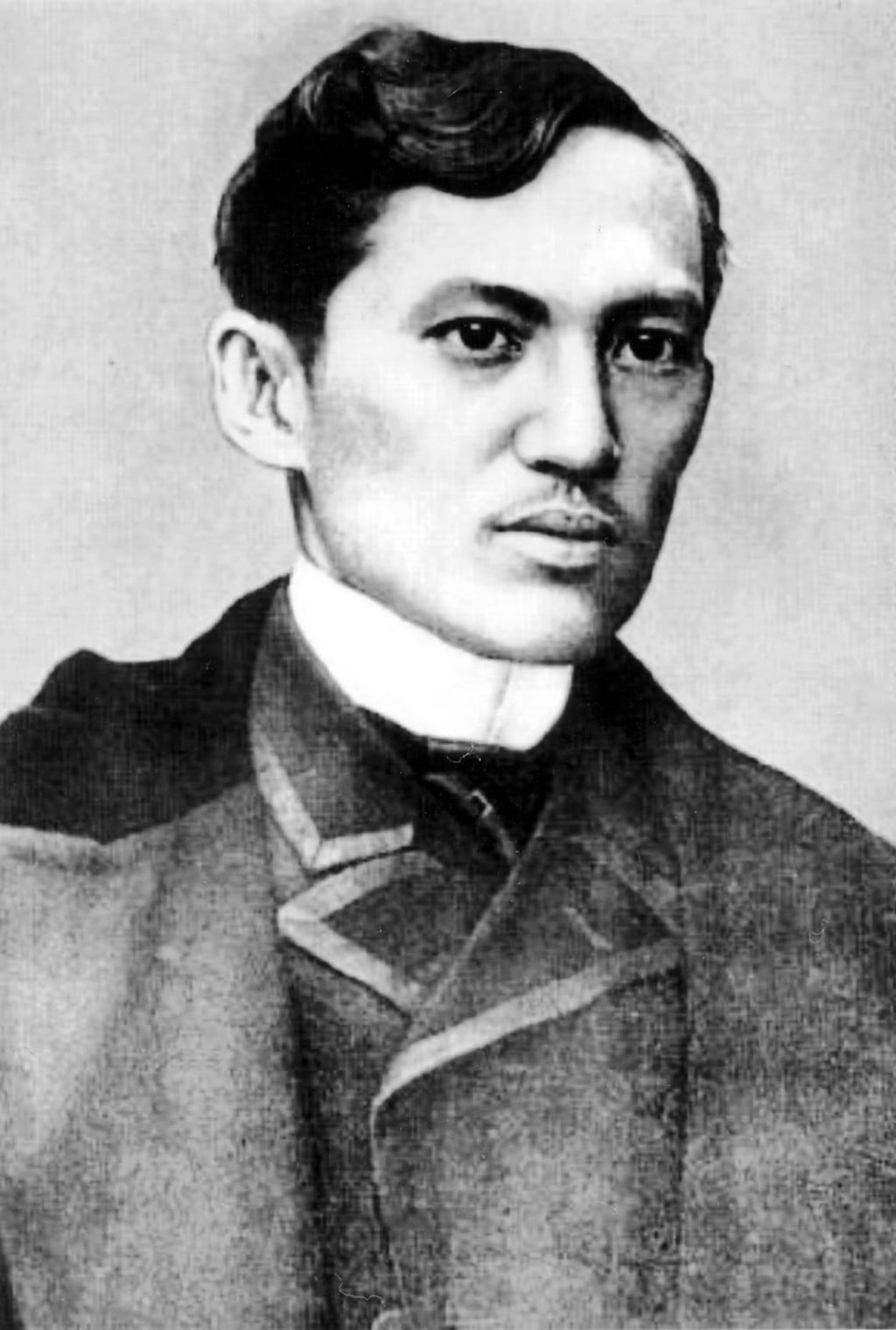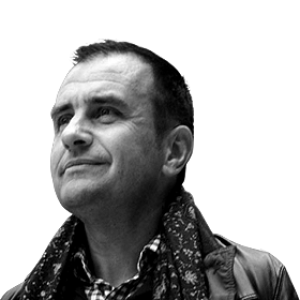
Then & NowFamous Filipinos José Rizal and Imelda Marcos and their Hong Kong connection
Philippine-Hong Kong relations run deep, with the British colony having been a safe haven for revolutionaries, illicit funds and designer shoe brands

Local heritage is one of Hong Kong’s perennial hot topics. Who gets included, and on what terms, has gradually widened to incorporate ethnic groups that have made their homes here. Among the longest established, and least recognised, non-Chinese resident groups are Filipinos.
Known locally since the 1980s for the legions of poorly paid, indifferently treated domestic helpers, Philippine-Hong Kong connections go back much further than the migrant contract worker populations, so visible in Central and elsewhere on Sundays, would suggest. European trading firms employed Philippine security guards in the 1840s and, from the 1850s, musicians from the archipelago were performing syrupy cover versions in Hong Kong’s hotels and bars – as they still do today, right across Asia.
This sense of personal and national identity soured in the 1890s, as a greater desire for participation in public affairs was thwarted by reactionary Spanish state policies, aided by its ultra-conservative partner, the Catholic Church, which then controlled much of the Philippine economy.