How Vietnam war leader Ho Chi Minh’s beliefs were shaped not in his home country, but in Europe’s colonial nerve centres
- Thousands of kilometres from home, Ho crystallised the philosophies that would embolden him to confront two great powers: imperial France and the US war machine
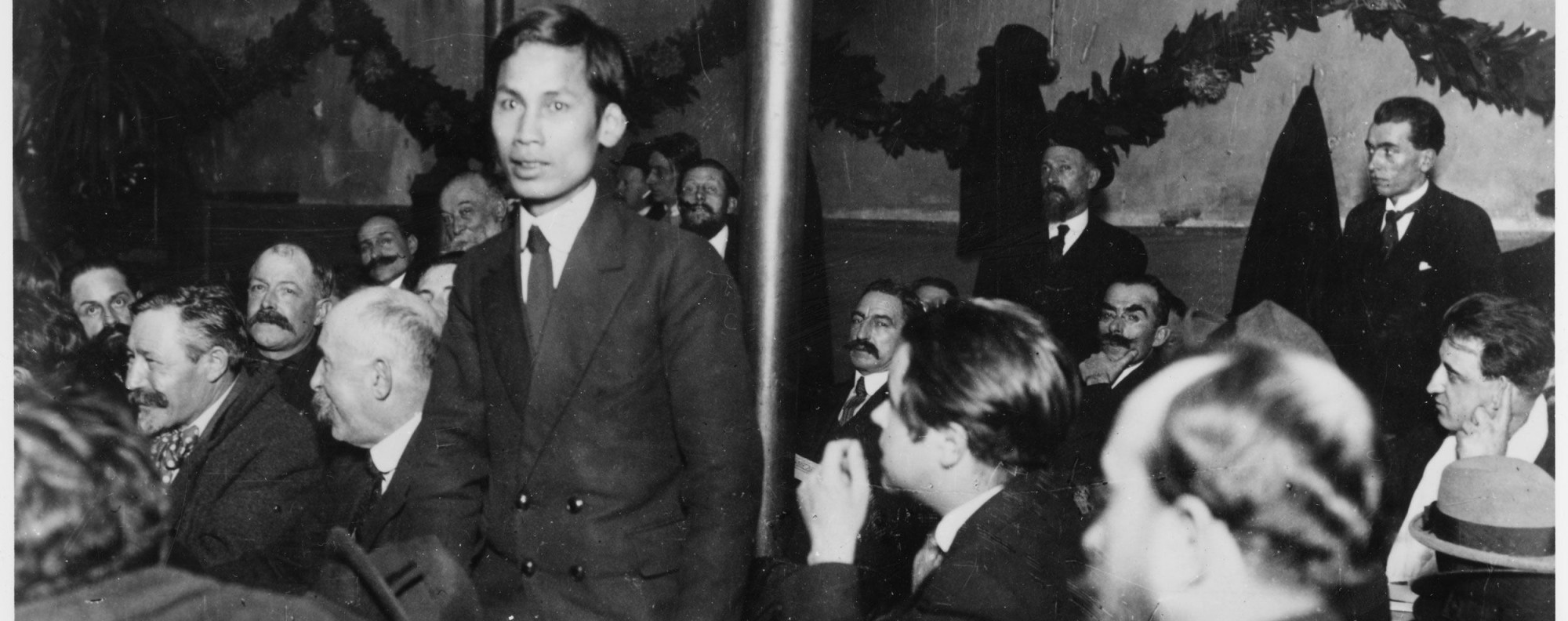
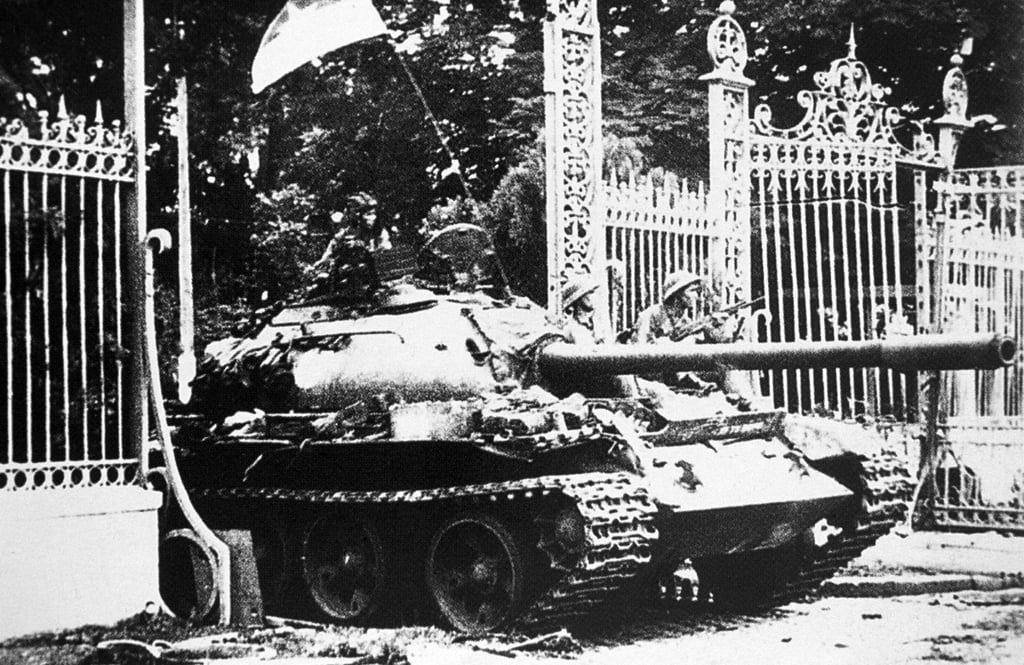
Remembered as a catastrophic saga and humbling reckoning in American history, the Vietnam war is considered by the Vietnamese as the final chapter in a century-long struggle for independence, first from France, then the United States.
The conflict ended when the Viet Cong’s Soviet T-54 tanks rolled into Saigon in 1975, a city then triumphantly renamed after Ho Chi Minh, the founder of the Communist Party of Vietnam, who had been dead six years by the time his long-held dream of a united and independent country was realised.
Ho Chi Minh – “Ho, the bringer of light” – was the last of the 50 or so pseudonyms the leader used and lived under as he propagated his ideas on political struggle and military strategy over decades, not just in his native tongue but also in his fluent French, Chinese (Mandarin and Cantonese), English and Russian.
Born Nguyen Sinh Cung in 1890 in Vietnam, which his father believed to be a lost country, Ho would find his raison d’être as he travelled the world in his 20s, mixing with itinerant labourers in greasy kitchens and dank flophouses, beneath the high noses of European elites, among what historian Tim Harper calls “the village abroad”, a community of like-minded people created by migration and exile.
It was in those places, under those conditions, thousands of kilometres from home, toiling away in the nerve centres of the colonial world, that Ho crystallised the philosophies that would embolden him to confront two great powers, facing down imperial France once the Japanese departed in 1945, and later the third occupying force of his lifetime, the US, against which his forces would eventually accomplish the unthinkable: to defeat and embarrass the American war machine.
Aged 21 and travelling as Seaman Ba, Ho would later recall waves as big as mountains crashing on the decks on his first voyage to Europe. When the waters were calm he spent the hours between kitchen shifts helping fellow crew members write letters.