The CorkscrewNew wines from the forgotten vines of Europe – viticulturists resurrect bygone grape varieties
Spanish winemaker Bodegas Torres’ project to revive long-lost vines bears fruit

Any viticulturist will tell you that the older the vine, the more character the wine produced from it will have. Older vines imbue more depth and complexity to wine. The downside is that the quantity of grapes produced by a vine diminishes with age.
Discovering a grape variety that was thought to have been extinct is, for viticulturists, like finding the holy grail. If such a vine can be resurrected and sustained, it can make a contribution to current wine production.
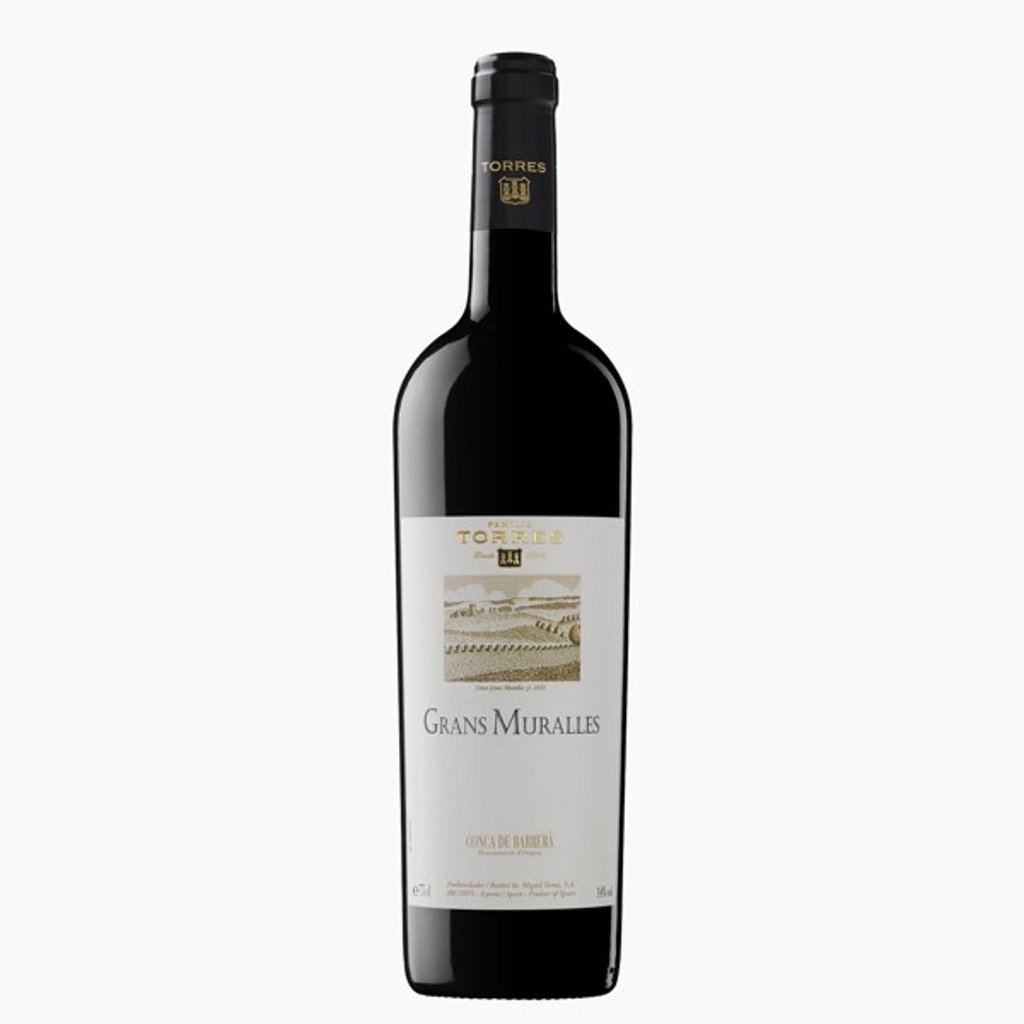
Torres made his first discovery on the slopes of the Garraf Massif in the mid-1980s – a red-wine grape that was later identified as garro. It was checked for disease, cultivated in vitro to see if it could be grafted to another vine, acclimatised to a variety of soil types to see where it grew best and even underwent a DNA analysis. It was eventually planted in Conca de Barberà, in Catalonia, and made its debut in 1996 as part of the blend for Torres’ Grans Muralles.
I found this grape aromatic, with leathery black fruit – slightly dried plums and cassis berries with surprisingly soft tannins.
Today, the fifth generation of Bodegas Torres – Torres’ son, Miguel Torres Maczassek – has taken over the project. So far, the company has been able to identify and revive almost 50 forgotten grapes that survived phylloxera. Many of these have shown good heat- and drought-resistance – which appeal to today’s viticulturists, who are struggling to adapt to climate change.