
The Corkscrew | Raising a toast: the dos and don’ts, and how to sabre a champagne bottle
The Greeks started it, offering salutations to the divine, but it was Napoleon Bonaparte who took toasting to a dramatic – and dangerous – new level

Raising a toast at a dinner, special occasion or event has long been a way to honour an individual. It is difficult to trace the origins of this custom but many believe it began with the ancient Greeks making offerings to their gods. Later, senators in Rome issued a decree that all citizens must toast the health of Emperor Augustus at each meal.
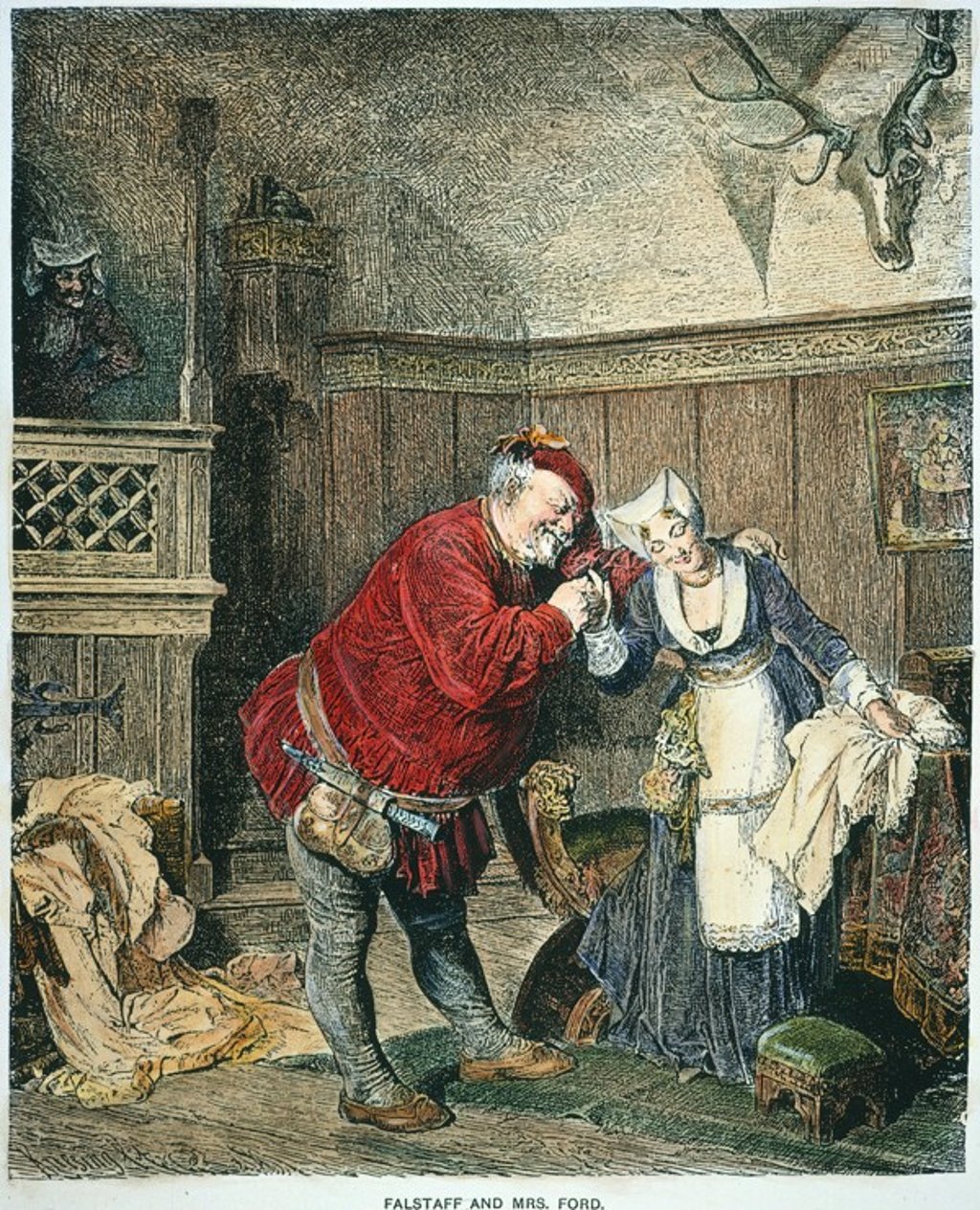
Shakespeare immortalised the custom of toasting in his Merry Wives of Windsor, with the character Falstaff demanding, “Go fetch me a quart of sack; put a toast in’t,” by which he meant he wanted a big glass of wine with a piece of toast in it (wine at that time was rather inconsistent, and adding toast was supposed to improve flavour, as well as being a way to use up stale bread).
This gave rise to the Toastmasters, a guild whose members ensured the toasting did not get out of hand (some people would toast everyone in the room as an excuse to drink). The Toastmasters Guide, by T. Hughes, published in 1806, outlines toasting etiquette and suggests a number of toasts for various occasions.