Flashback: Memento (2000) – Christopher Nolan’s memory-loss thriller a sly precursor of his mind-bending oeuvre to come
Director’s most haunting work weaves threads of wry humour and subtle detail into poignant narrative

From his cerebral thriller Inception (2010) to last year’s second world war drama Dunkirk , writer-director Christopher Nolan’s forte has always been narrative dexterity. That’s especially apparent in his sophomore film, Memento (2000), a modern-day revenge thriller that unfolds in reverse order. While Nolan wasn’t the first to try this – see Harold Pinter’s 1978 play Betrayal – his daring use of the device put him on the map. A first Oscar nomination, for best original screenplay, soon followed.
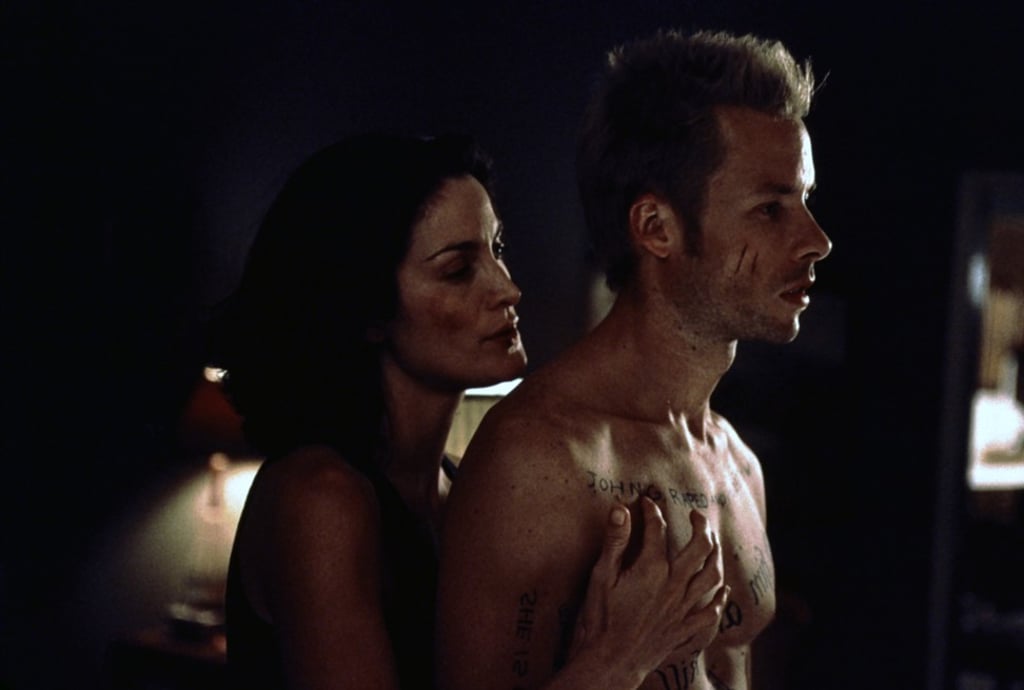
Based on the short story Memento Mori by Nolan’s brother, Jonathan, the film’s lead is Leonard Shelby (Guy Pearce), a former insurance investigator driven to scour seedy Los Angeles bars, diners and warehouses for the man that raped and murdered his wife. The same attack left him with a serious head trauma resulting in anterograde amnesia – a condition that means Leonard is unable to form new memories. Scribbling notes, snapping Polaroids and even tattooing clues on his torso are the only ways he has to overcome his living nightmare, where any new detail fades in minutes.
To add to the complexity, black-and-white sequences of the unguarded Leonard talking to an unspecified caller on the phone are intercut with the main reverse narrative, two strands that seamlessly join together later on in one bravura fade-to-colour shot.