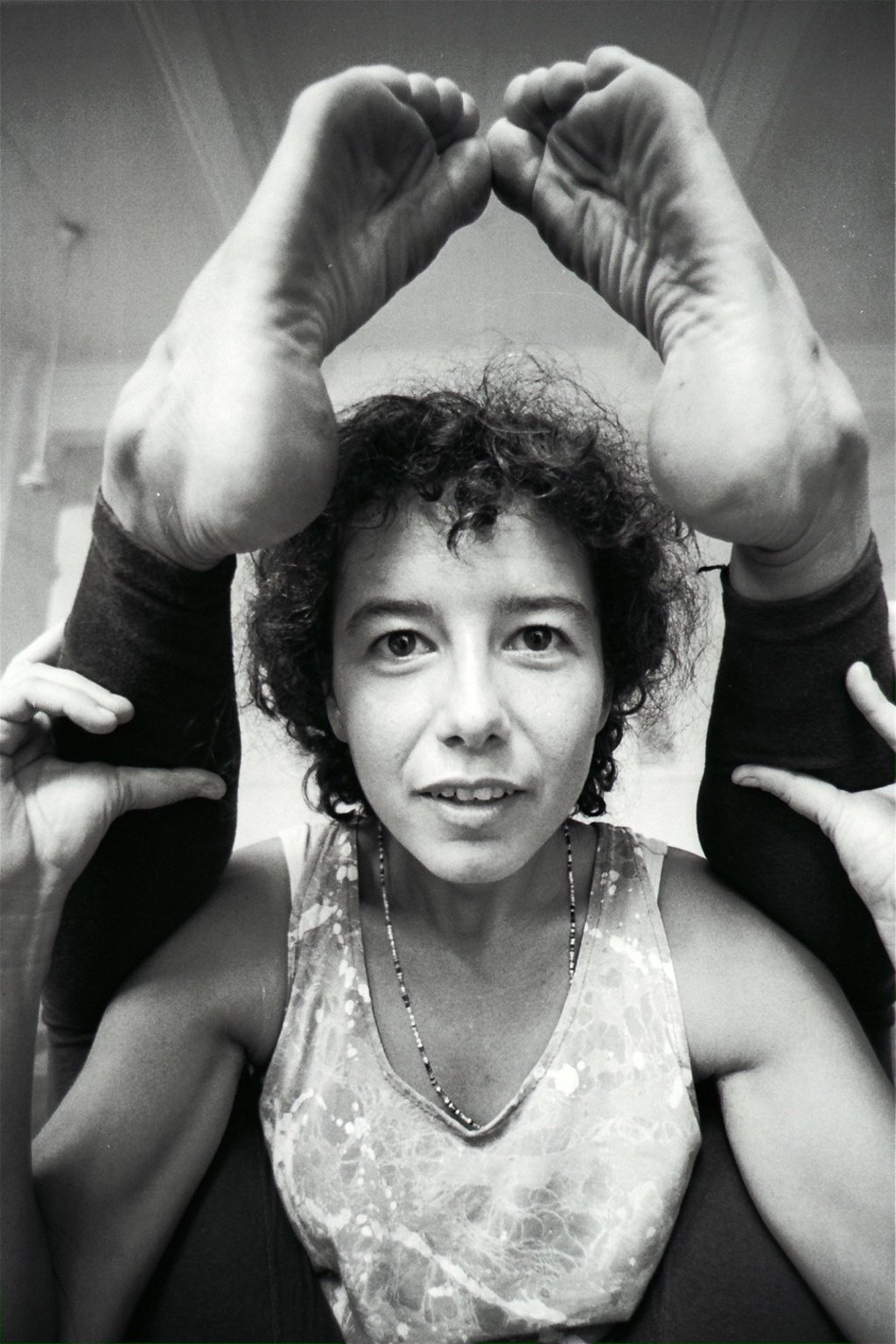
Then & Now | When yoga in Hong Kong was an eccentric fringe activity, unless you were Indian or a Chinese Buddhist
Various paths to ‘wellness’ have emerged to plug the spiritual void that mindless consumerism fails to fill, among them yoga, once a minor pursuit. For many of today’s practitioners, though, it’s just a fashionable ‘lunchtime fix’

Yoga studios have proliferated across Hong Kong in the past decade, and one reason for the discipline’s appeal is the massive expansion of moderately priced gym chains.
Such venues are popular because affordable membership comes with ready access to showers, lockers and clubhouse-style lounge areas with more recreational space than Hong Kong’s cell-like flats. An added benefit is that exercise classes (aerobics, spinning, dance, etc) are included in the monthly membership fee. As a consequence, the health advantages associated with the ancient Indian exercise and breathing technique – one of the “four pillars” of practical Hinduism – have become more widely recognised in the city.
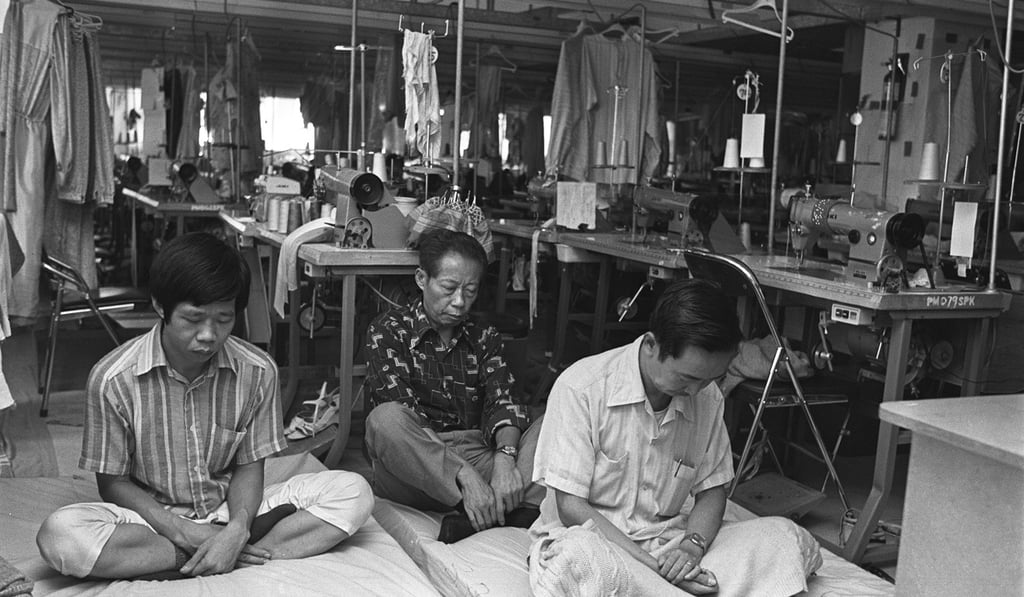
For several centuries in China, yogic practices (greatly modified from those found in India) were mostly limited to ordained members of esoteric Buddhist sects. These groups retained vestiges of Buddhism’s Hindu roots, which reached China via the Silk Road.
More enthusiastic lay followers also practised yoga; like everything connected with the introduction of Buddhism to China, what evolved was different from its Indian origins, yet recognisable to those who knew what they were looking at.
Not so long ago, practising yoga in Hong Kong (at least among European residents) was a mildly eccentric and smiled-upon fringe activity.