Then & Now | How guilt has often driven Hong Kong’s privileged do-gooders
Well-meaning individuals from affluent, Western societies often cannot help but try to ‘save’ Hong Kong’s poor and downtrodden, yet all they can offer are Band-Aid solutions to much deeper problems

Grinding poverty and lack of opportunity for social advancement caused by economic inequality
have been facts of human existence since settled patterns of life began, about 10,000 years ago, and Hong Kong is no exception.
Most individuals involved in measures to alleviate poverty and counter social disadvantage, both now and in the past, openly admit that they are motivated partially by a sense of guilt. Guilt especially affects recent arrivals in Asia from affluent, Western societies where comprehensive social welfare systems exist and most domestic labour has long since been outsourced to machinery.
Finance, wealth and ... slavery? Hong Kong one of Asia’s worst for forced labour
From Hong Kong’s mid-19th-century beginnings as a colony, those who wished to help ease the wants and woes of others had plenty of opportunity, and various philanthropic initiatives were launched to aid the poor and downtrodden.
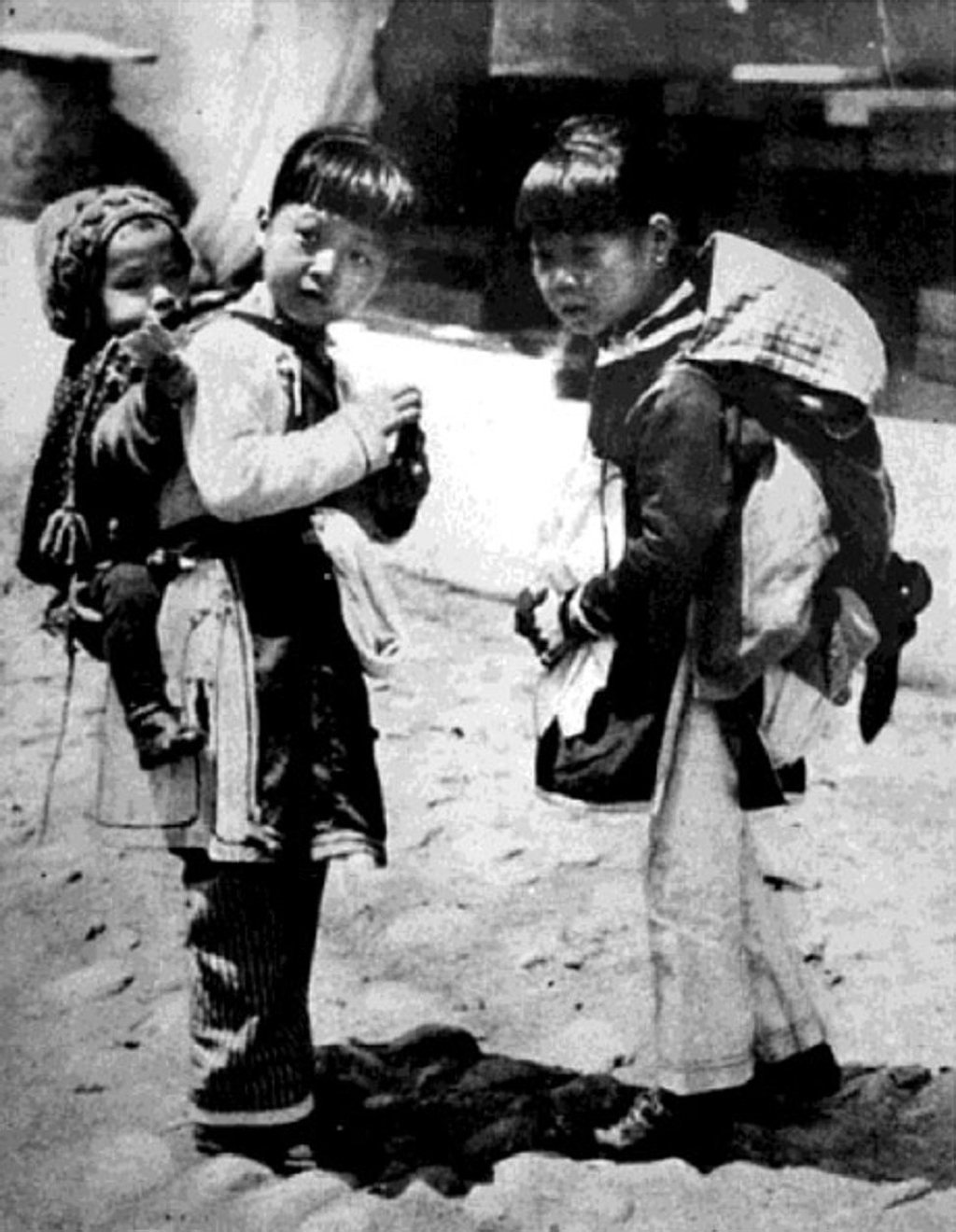
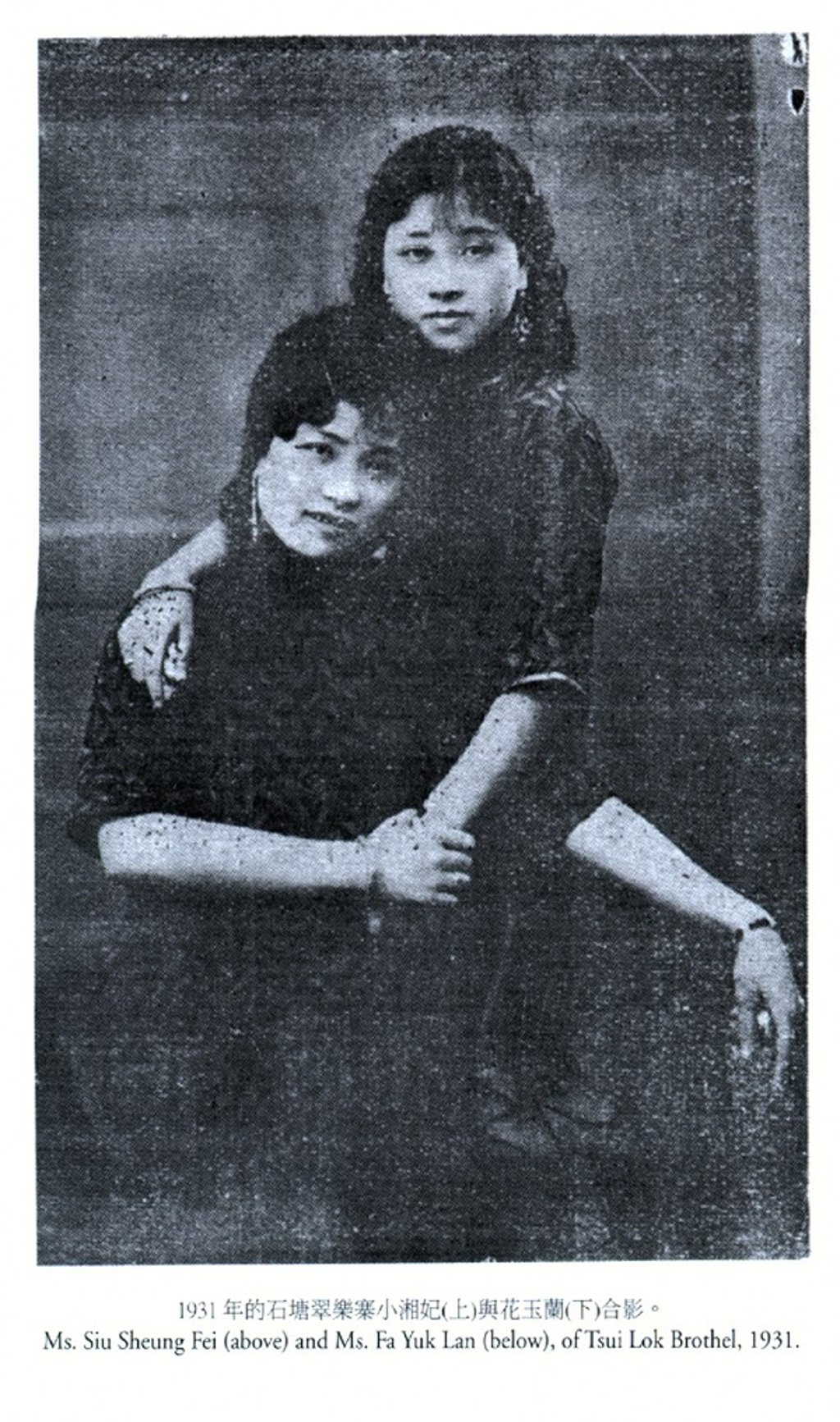
The objects of their attention ranged from stray animals (perennially popular) to mui tsai (female child slaves) and women who were “rescued” from prostitution by (mostly Christian) do-gooders and found alternative work. Many such women, however, soon ended up back in their former profession, which was often able to provide a better livelihood. Just how effective these undertakings were was widely debated.