
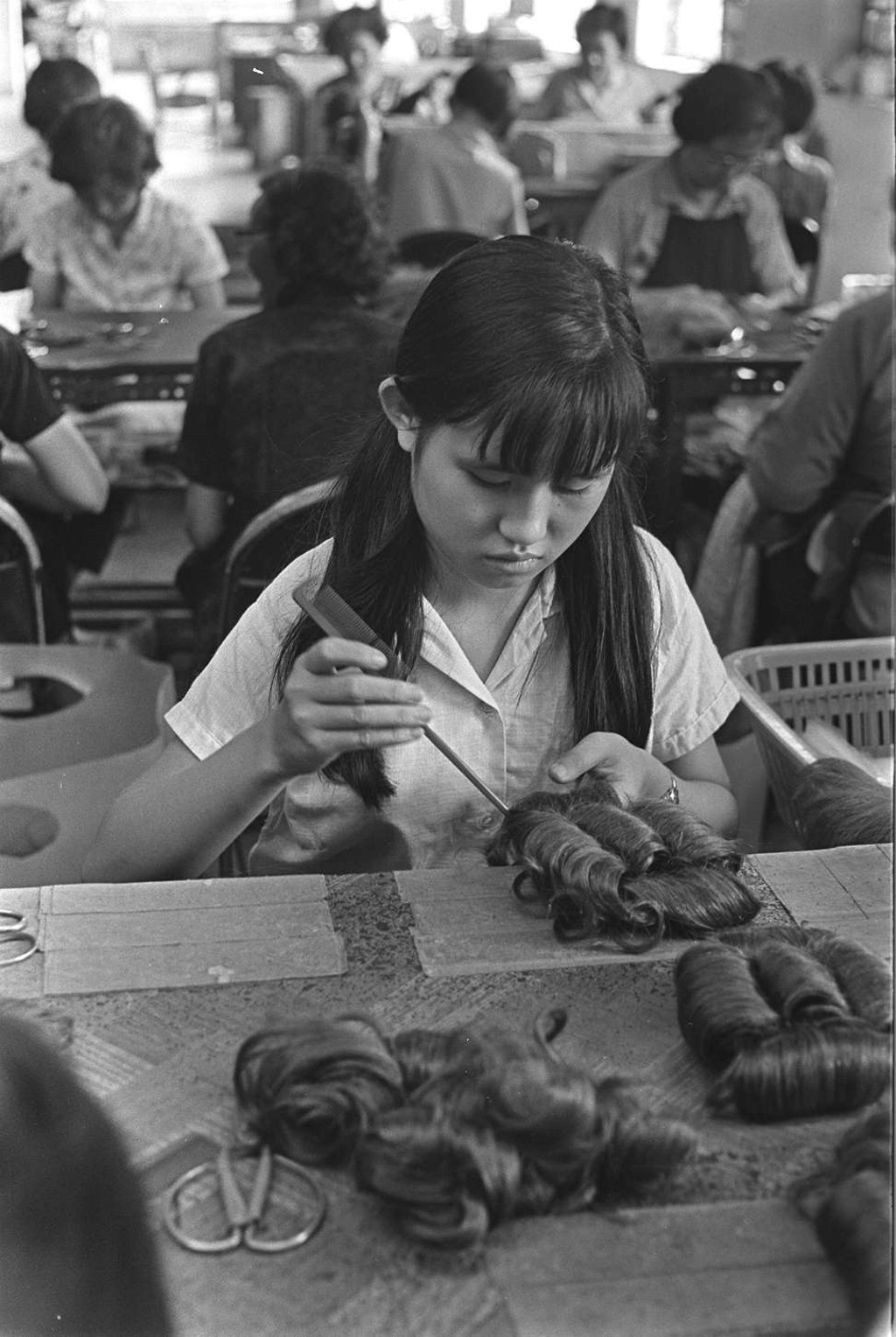
Then & NowBeehives and buns: when wigs were big and Hong Kong’s human hair trade thrived
Long a symbol of status and wealth, wigs fell out of fashion in the freewheeling 1970s, but the preceding decades marked a boom time for Hong Kong wigmakers

Along with the miniskirt, towering, glossy beehive hairdos are among the images associated with the 1960s. All around the world, women who could afford to embraced the “swept-up” look. The problem was, few had tresses long enough to give the style its fullest effect. No problem – a well-made wig could create the same impression, with no more effort than taking it out of the box and pinning it in place.
Wigs also afforded relative anonymity for public figures, especially Chinese movie stars; by not wearing a beehive wig, and donning a pair of sunglasses and ordinary clothes, a perennial paparazzi victim could easily blend into the crowd.
Wigs, of course, are nothing new. Each historical period has its own defining fashions, and 18th-century Europe saw the rise of the powdered wig, for both men and women. Some were made of horsehair or other glossy natural fibres, such as jute, but most used human hair.
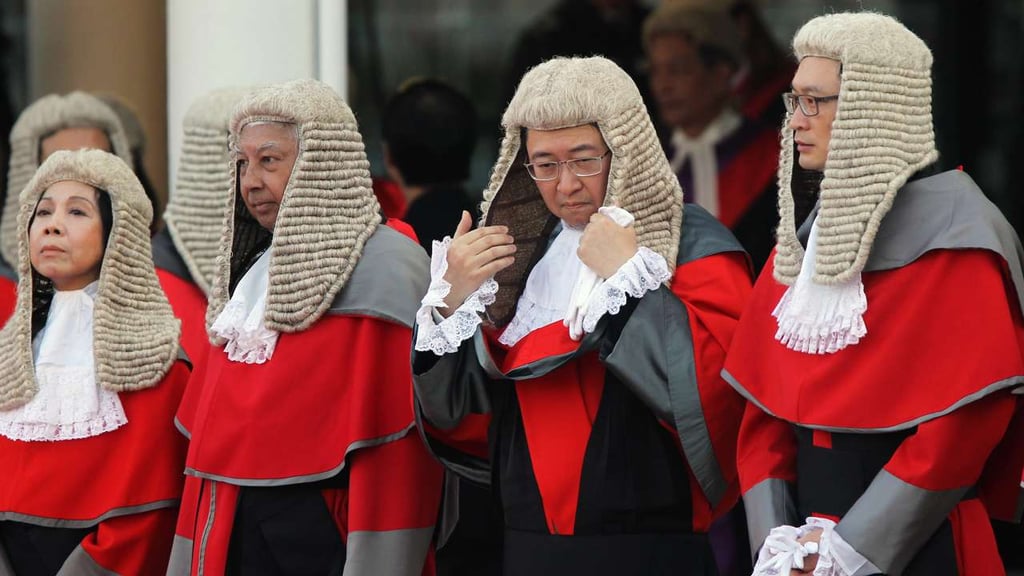
A lingering sartorial remnant from these times can still be seen in Hong Kong’s courtrooms, where part of the formal attire for barristers is a powdered horsehair wig, tied in a bow at the back; judges wear a longer, thickly ringletted version.