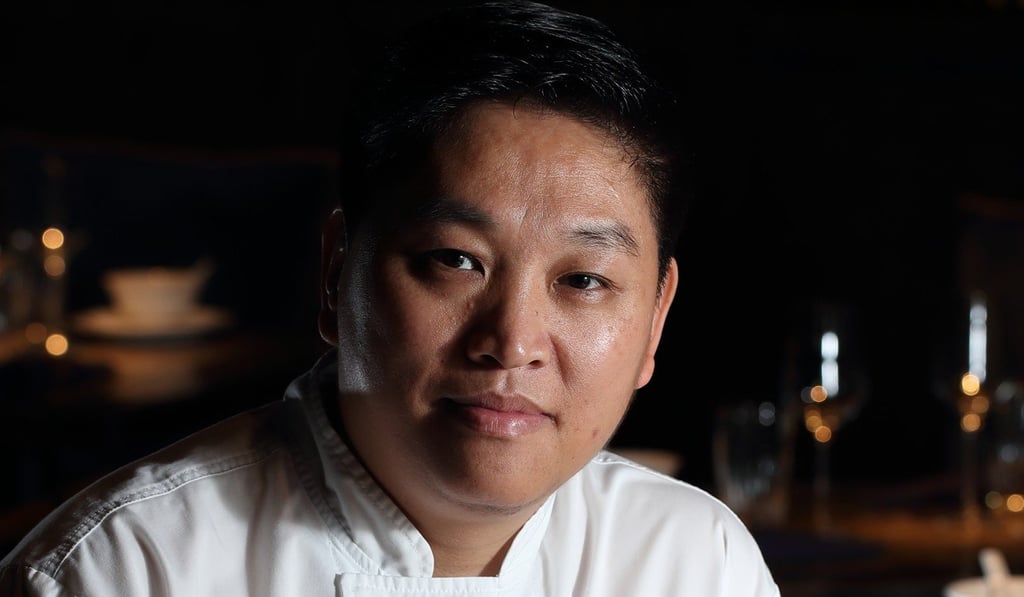
Small wonders: Hong Kong’s dim sum chefs use ingredients and techniques to give their dishes a modern twist
Families and friends continue to gather in tea houses for the ritual of yum cha, but many of the dishes have evolved to reflect modern times

Originating in southern China, when travellers along the ancient Silk Road used to break their journey in order to drink tea (yum cha), dim sum - or small snacks - first appeared in the third century around the time that physicians noted that tea aids digestion.
In Hong Kong, modern-day teahouses, and Cantonese restaurants are where friends and families gather at the weekends for dim sum breakfast or lunch, and are known for their noise and air conditioners as much as for their Chinese tea and plates for sharing. For visitors, having dim sum is up there with riding on the Star Ferry and the Peak Tram, but the experience has been slowly changing over the decades.
Gone are the ladies who used to push trolleys of steaming hot dim sum in round bamboo baskets from the kitchen, shouting out their offerings and stopping at tables for diners to pick up their har gao (shrimp dumplings), siu mai (pork dumplings) or char siu bao (barbecued pork steamed buns). These days, diners tick what they want from a list of deep-fried, steamed or cake dim sum, and the waiters bring them to the table. Dim sum dishes have also evolved: they have become healthier, and chefs are using ingredients and techniques to modernise these Cantonese treats.
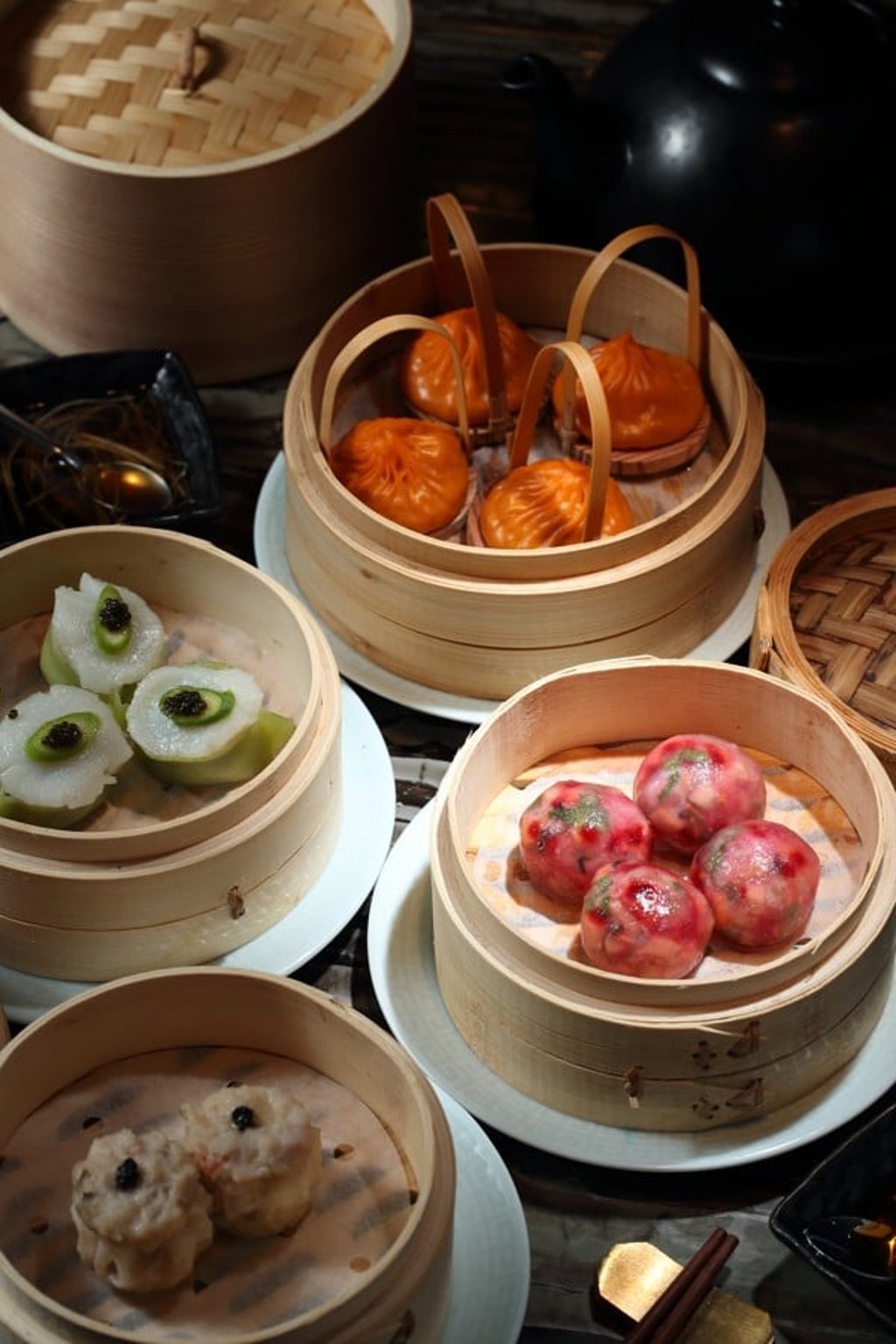
“We twist the recipes of traditional dim sum such as siu mai,” says Lee, who previously worked at Man Wah at the Mandarin Oriental Hong Kong. “It was very traditional to use quail egg with siu mai even before pork was used, but in traditional tea houses they put the quail egg on top of the pork, and they steam it like a hard-boiled egg. Here, we embed the whole quail egg inside the siu mai and we have to monitor and manage the temperature when steaming the pork and the egg. We need to test it a few times to make sure it’s cooked, but by the time we take it out we still have the heat in the steamer cooking the dish, and when we bring it to the table the Iberico pork is 100 per cent cooked, but the yolk is still runny. We then top it with caviar.”