Advertisement
Dementia study links genes inherited from parents to development of Alzheimer’s disease
- People with two copies of APOE4 will very likely develop biological signs of Alzheimer’s, but cognitive function may not suffer, study says
4-MIN READ4-MIN

This is the 40th instalment in a series on dementia, including the research into its causes and treatment, advice for carers, and stories of hope.
Research suggests there is a chance I have a pair of genes that will lead me to develop Alzheimer’s disease.
A Spanish study found that people with two copies of this particular gene – APOE4 – began to develop the underlying abnormalities of Alzheimer’s as early as their mid-50s. The findings suggest a newly defined genetic form of this disease, the study authors say.
Advertisement
The research “confirms that carrying two APOE4 genes virtually guarantees the development of … Alzheimer’s disease if a person lives long enough”, said Dr Juan Fortea, the director of the memory unit at the Hospital de la Santa Creu i Sant Pau, in Barcelona, Spain, who was the lead author.
The findings are significant because they could herald a new dawn in research, testing and treatment of Alzheimer’s in the future.
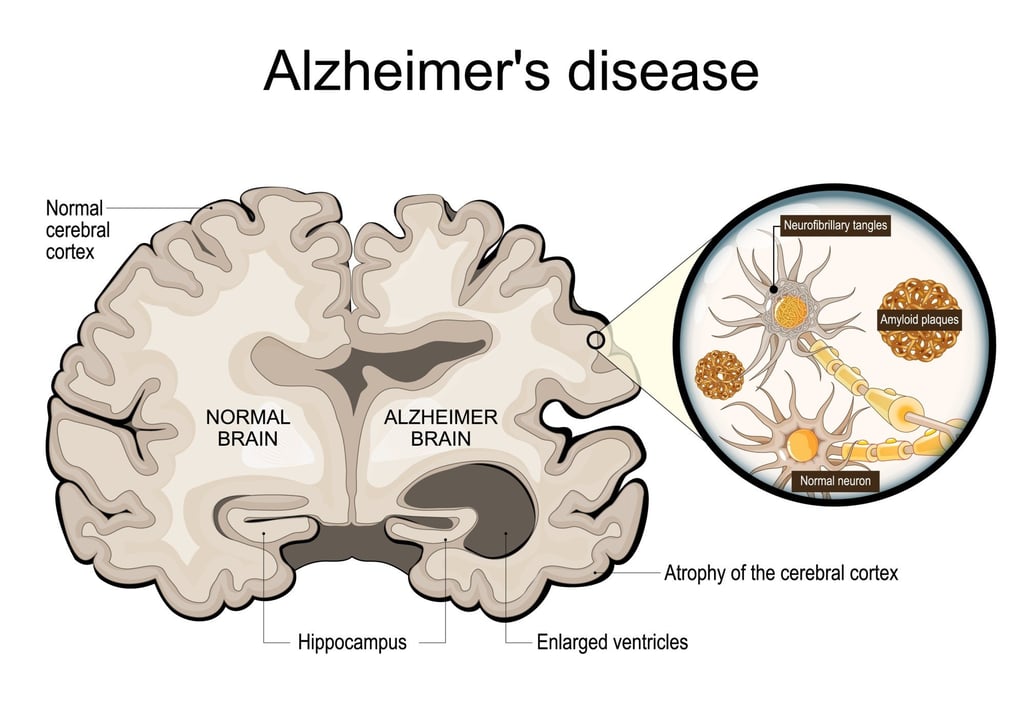
Carrying a pair of these genes (one from your mother, one from your father) might mean you are destined to develop the pathology of Alzheimer’s – the amyloid plaques and tau, or neurofibrillary tangles – that are its hallmarks.
Advertisement
Advertisement
Select Voice
Select Speed
1.00x