ExplainerWhat is Parkinson’s disease? Symptoms, possible causes, treatment and progress towards a cure for the disorder that famously afflicts Michael J Fox
- An estimated 6 million people worldwide live with Parkinson’s disease and while there’s no cure yet, treatment extends quality of life
- A neurologist explains how Parkinson’s is not one disease but a spectrum of disorders, and how most patients can enjoy a reasonable life quality into their 80s

Michael J Fox remembers that the first sign of what was to come was that his little finger seemed independently animated. He was 29, had been married for three years, his son – the first of four children – was two, and his life was full and successful. Except for that little finger, he appeared to be the picture of health.
Except that he wasn’t. When the tremor in his finger didn’t cease, a neurologist’s consult revealed a shattering diagnosis: early onset Parkinson’s disease.
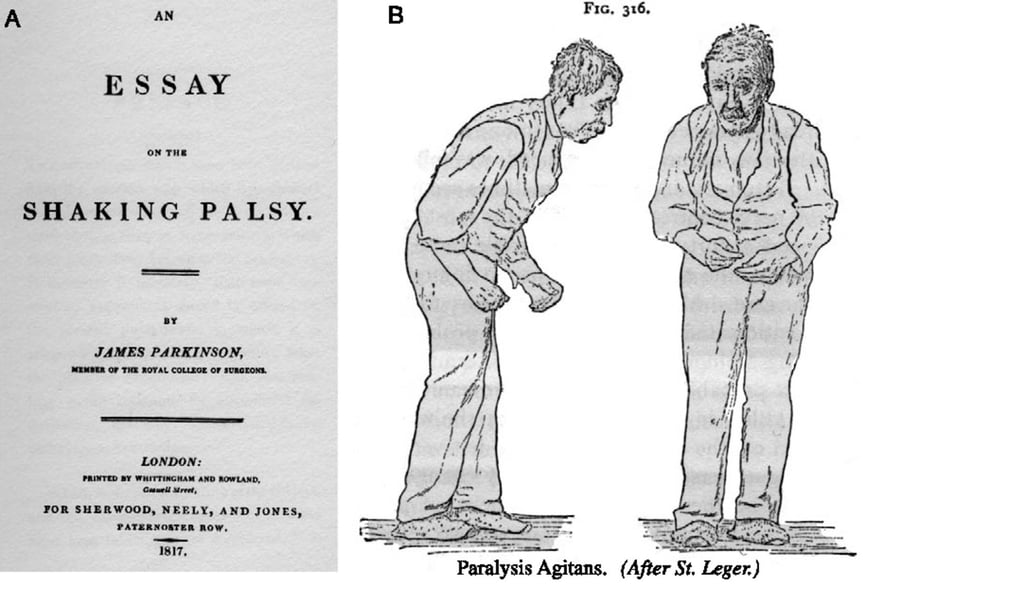
Although reference to what we call Parkinson’s disease today was made centuries ago – in Indian texts from around 1000 BC as well as ancient Chinese writings – it was first described as a neurological disorder by British doctor James Parkinson in 1817.
In an essay he published on the “shaking palsy”, Parkinson wrote: “Involuntary tremulous motion, with lessened muscular power, in parts not in action and even when supported; with a propensity to bend the trunk forward, and to pass from a walking to a running pace: the senses and intellects being uninjured.”
Parkinson’s disease develops when the brain produces insufficient dopamine, a result of the cells responsible for the chemical’s production having died or become impaired.
You might know of dopamine as the “feel good” hormone – we produce it in response to socialising, sex and even eating. It prompts a sensation of pleasure and drives us to do the things that give us pleasure, even when they aren’t necessarily good for us – such as gambling or too much phone use. It’s part of our reward system.