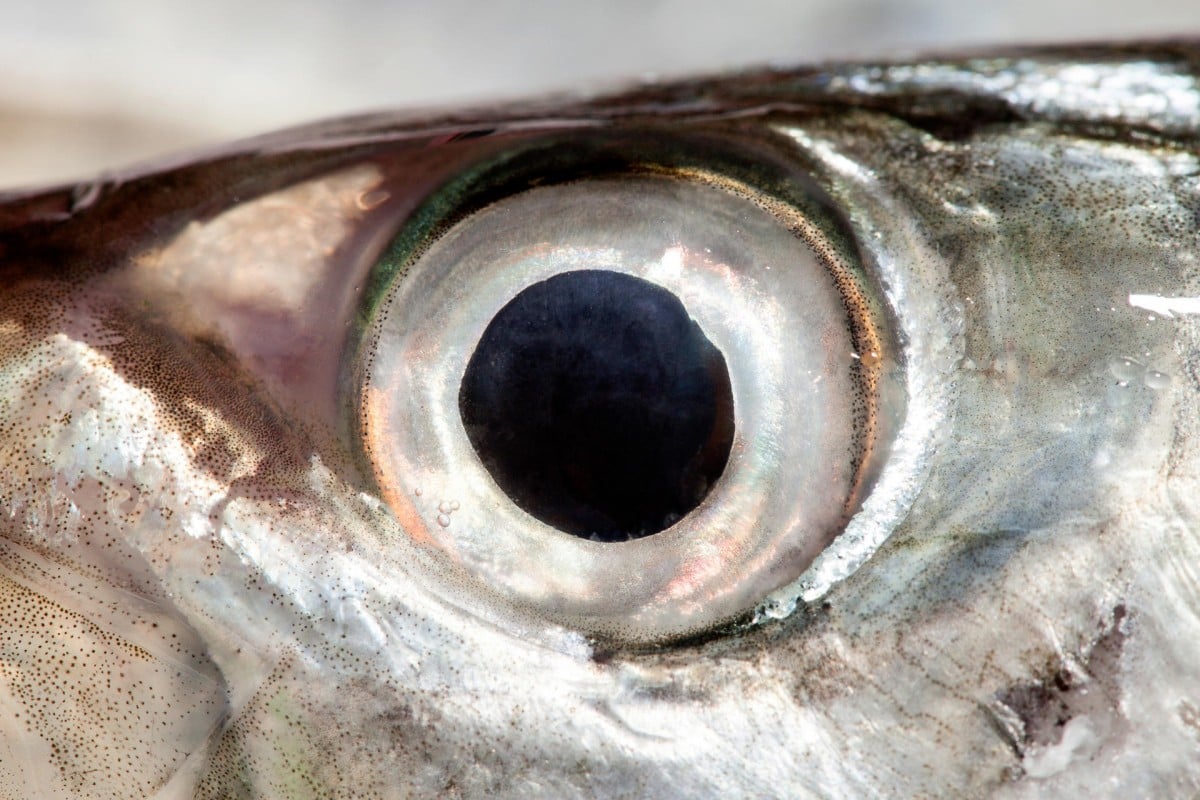
It's a myth, you won't see better by eating fish eyes
By all means eat fish, as well as leafy vegetables and egg yolks, to maintain eye health and eyesight, as they are rich in anti-oxidants, but fish eyes contain nothing special
No
regular consumption of fatty fish is generally understood to be good for eyesight. However, the same cannot be said for fish eyes. Sally Poon, a registered dietitian from Private Dietitian, says there is no evidence to suggest fish eyes contain any important nutrients.
If you want to prevent deteriorating eyesight and maintain the health of your eyes, you should follow a balanced and antioxidant-rich diet. Nutrients for healthy eyes include lutein and zeaxanthin, vitamins C and E, and omega-3 fatty acids.
"Lutein and zeaxanthin are abundant in leafy greens, like spinach, kale, turnip greens, broccoli, and collards," she says. "A study published in the Archives of Ophthalmology [now known as Jama Opthalmology] found that a high intake of these antioxidant carotenoids reduced the risk of cataracts by 18 per cent."
Egg yolks, too, are rich in lutein. A study in the Journal of Nutrition revealed that eating one egg a day can increase levels of both lutein and zeaxanthin in the bloodstream. The researchers found that lutein levels increased by 26 per cent, and zeaxanthin levels by 38 per cent during the weeks that participants consumed one egg per day.
"The research team also noted that adding a daily egg to participants' diets did not increase total, LDL ['bad'], or HDL ['good'] cholesterol or triglycerides an important fact for those who are still wary of eating eggs," Poon says.