Hotels or their own restaurants? Top chefs reveal where they’d rather work and the pros and cons of each
- Hong Kong-based chefs Nathan Green, Jaakko Sorsa, Uwe Opocensky and Olivier Elzer have spent time on both sides of the divide and know what they prefer
- Being your own boss is one of the most appealing aspects of running an independent restaurant, but hotels offer financial backing and often greater prestige

There are two main career streams for top chefs. One is to join a hotel; the other is to open their own independent restaurant. Each option has its pros and cons.
Partnering with a five-star hotel has the advantage of prestige along with financial backing and job security. But, ultimately, you’re not the boss and might have to compromise to please corporate mandates.
Chefs who open their own place usually have more independence, but they need to find investors or a restaurant group willing to share and support their vision. It involves more work, administration, headaches and risks.
While the grass might look greener when you’re on the other side, that isn’t necessarily the case, as chefs who have gone back and forth have found out.
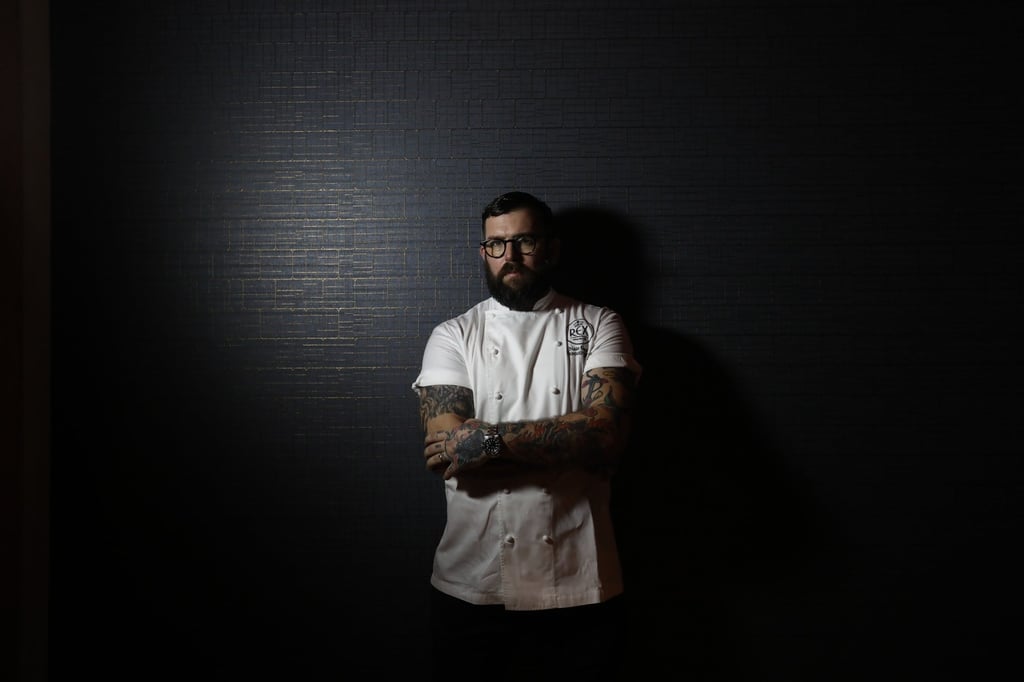
After working for 22 Ships and Rhoda with hospitality group JIA, chef Nathan Green took a three-year detour into hotel land, first at the Ritz-Carlton and more recently with Rosewood, where he launched the meat-focused Henry. He thought working for hotels would mean less stress and greater security.
“With two kids now, everyone said to me you have a better career path in hotels and will never be out of a job,” Green says. “That was a big attraction. But the big issue with hotels is you’re not really in charge of your decisions. I’ve been cooking 25 years. I don’t need someone to tell me what to cook or how to treat my guests. For me, it was a little bit claustrophobic to feel like you’re not trusted. Sometimes decisions are made even above my bosses.”