Grape & GrainHow oranges made their way into our favourite liqueurs, from Cointreau to blue Curaçao
Not just a Chinese symbol of good health or your go-to fruit for a hit of vitamin C, oranges and their peel are essential ingredients in a wide range of citrus-based liqueurs

Oranges were once considered extremely precious. In the 1800s, a gift of an orange at Christmas was like giving someone a taste of the sun in the middle of winter.
The Chinese have a custom of bringing a bag of oranges when visiting a neighbour or friend, and exchanging mandarins during Lunar New Year is symbolic of wishing good health and wealth for the upcoming year.
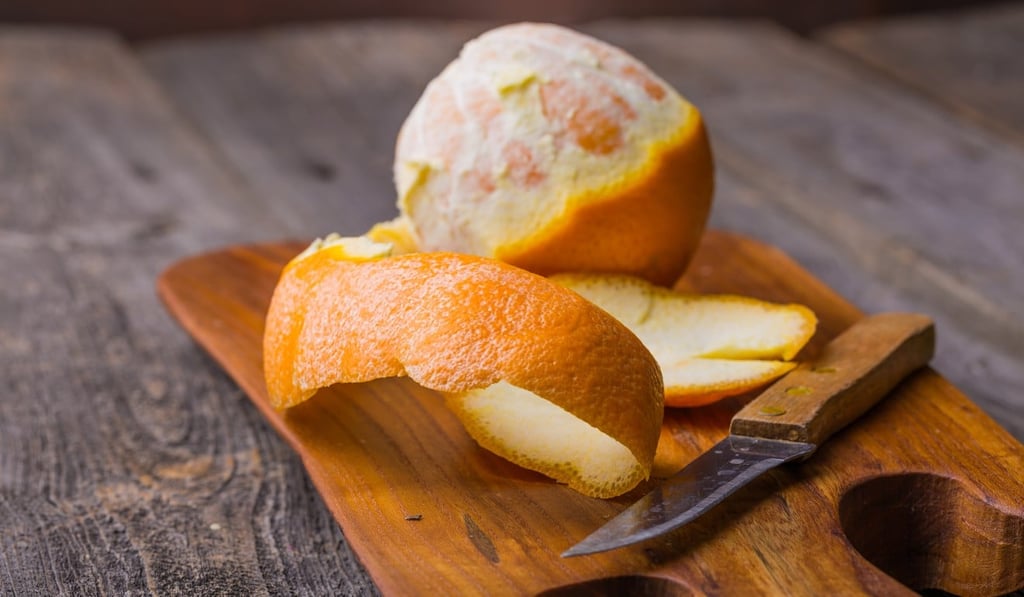
For the Chinese, each part of an orange is savoured to the fullest. The flesh is considered the best part, but the peel is also used: either dried (chun pei, or dried mandarin peel, is an essential seasoning for many Asian dishes) or preserved in sugar, as in marmalade or jam.
In countries that make liqueurs, citrus peel of all types is soaked with sugar in a spirit.
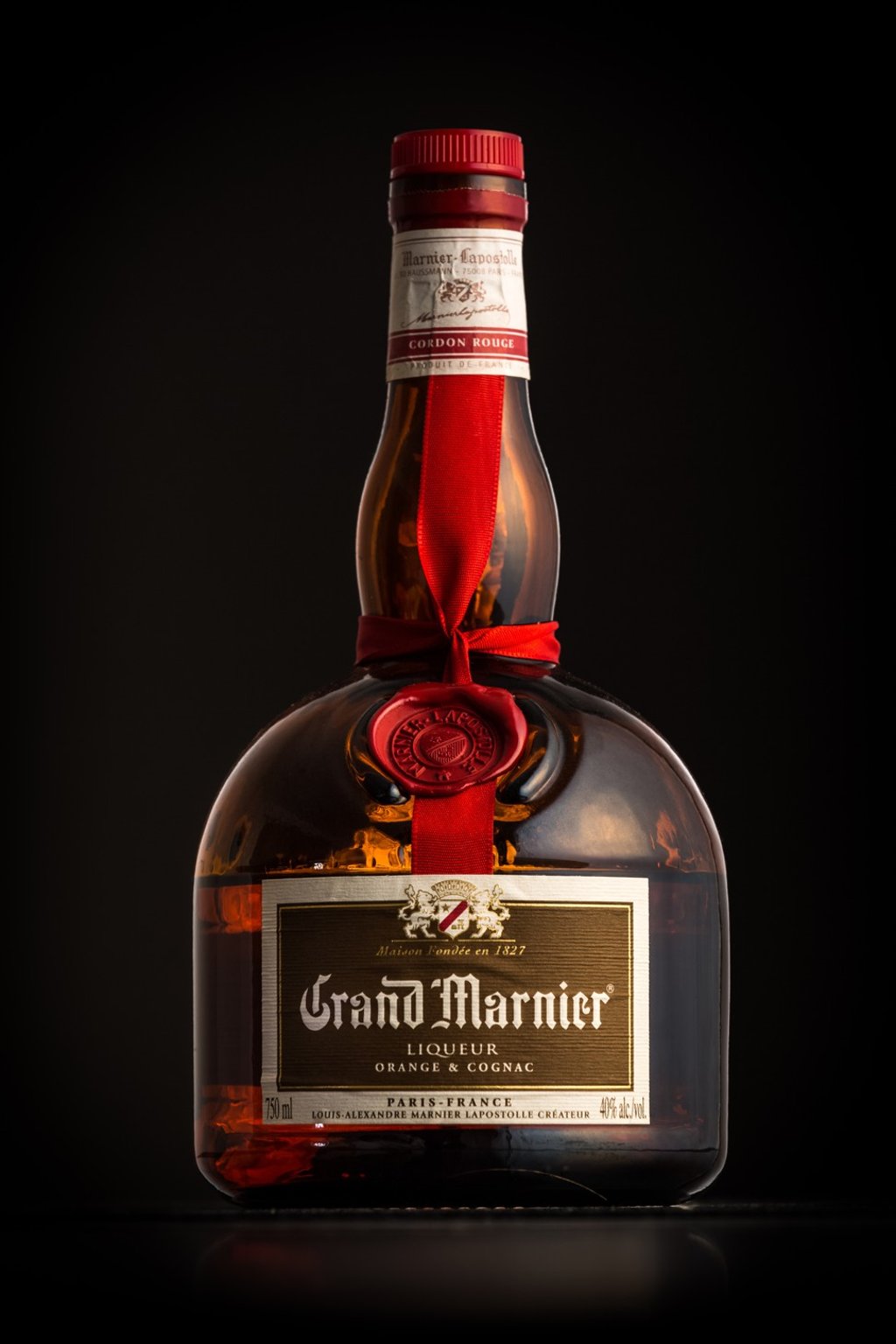
The most famous of all citrus-based spirits is Grand Marnier, a French cognac-based liqueur. It dates back to the late 1800s, when a family by the name of Lapostolle owned a distillery – called Maison Marnier-Lapostolle – which specialised in fruit liqueurs.